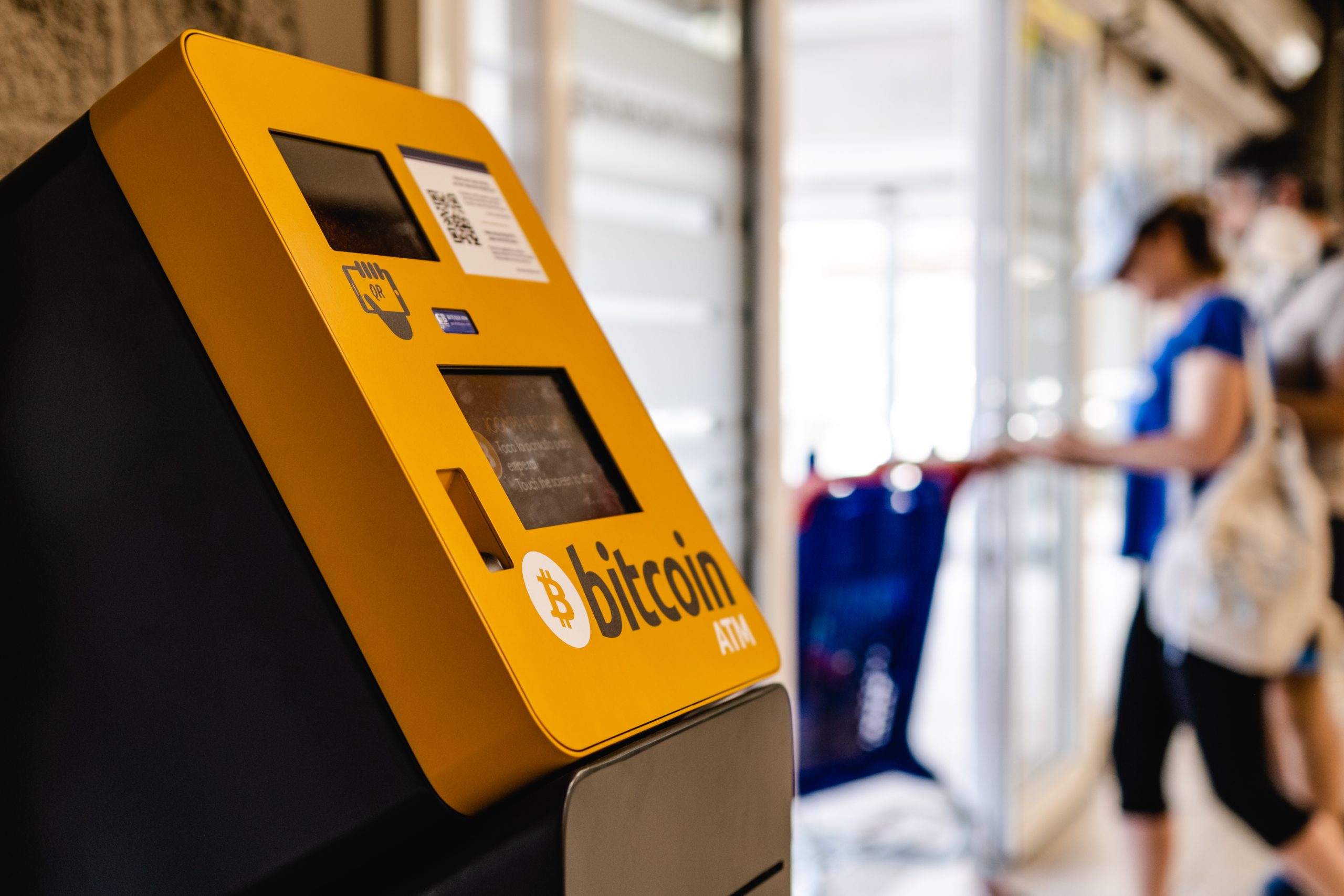
Bitcoin's 22% Bloodbath: Why the Worst Quarter Since 2018 Actually Matters
Bitcoin just posted its worst quarter since 2018, and nobody seems particularly alarmed. That's either a sign of maturity or delusion—and the answer determines everything.
Visa, Fidelity, and Sumitomo aren't just using blockchains anymore—they're running the machines that validate them. Here's why that's a much bigger deal than it sounds.
For years, the crypto industry obsessed over protecting private keys. But the real attack surface has moved—and most firms aren't ready for it.
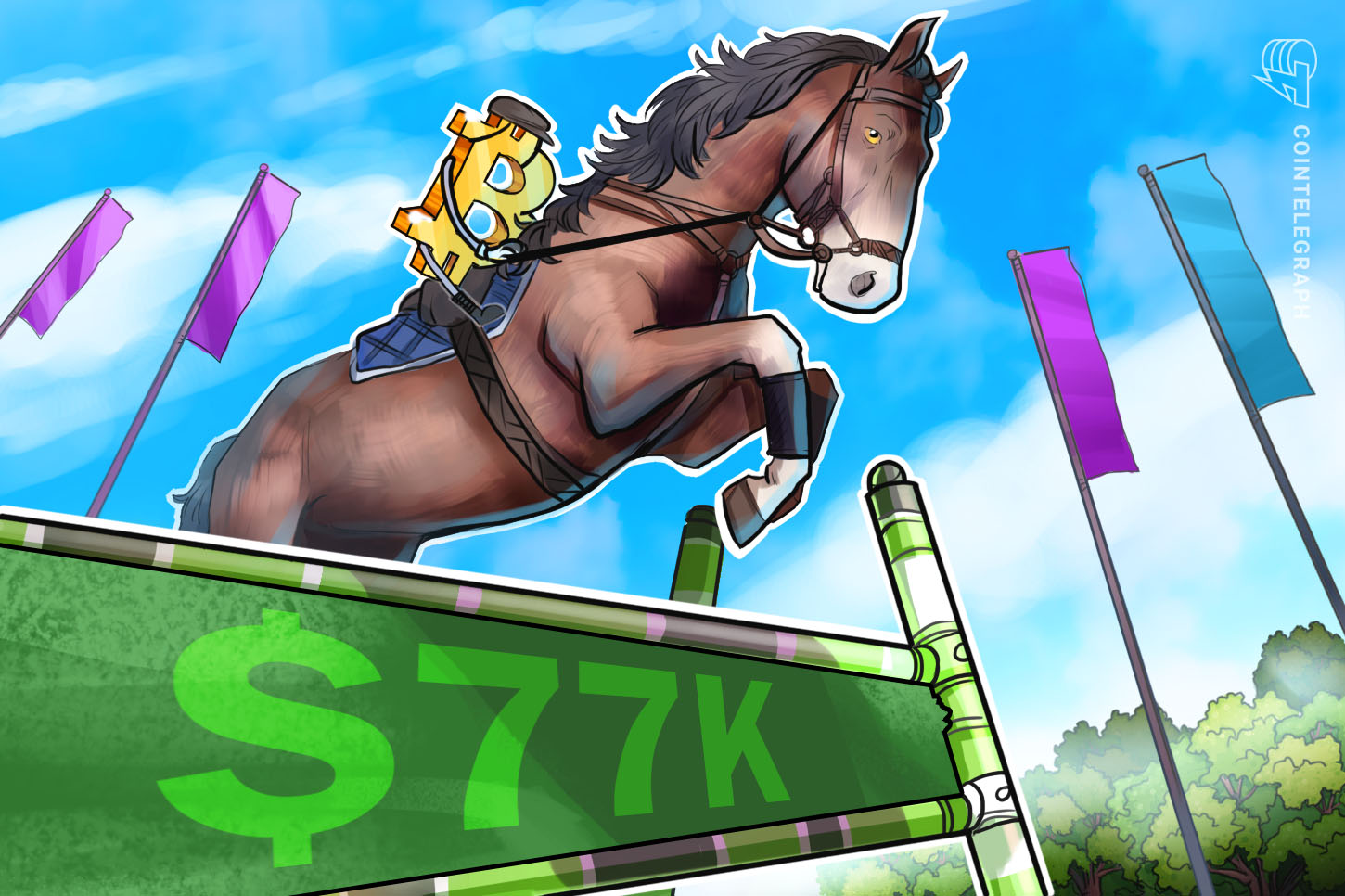
Bitcoin corporate treasuries are no longer marching in lockstep. As BTC slips below $70K, some companies are dumping holdings at a loss while others double down—and the cracks are starting to show.
Picture this: hackers make off with $280 million, and Circle — issuer of the world's second-biggest stablecoin — takes its sweet time blacklisting the loot. ZachXBT's latest thread rips the lid off a pattern of delays across $420 million in dirty funds.
Telegram's Wallet just embedded perpetual futures trading via Lighter, thrusting high-risk derivatives into the hands of 150 million users. It's a power move—or a perilously dumb one.
Everyone figured Coinbase would hoard its x402 payments brainchild. Instead, it's handing reins to the Linux Foundation—backed by Google, Microsoft, and crypto players—betting on open standards to turbocharge fintech rails.
Charles Schwab, the giant of retail investing, is dipping into crypto trading with Bitcoin and Ethereum. But in a world where Coinbase has owned this space for years, is this a savvy catch-up or just table scraps?
130 million users can't be wrong — or can AI make them obsolete? Duolingo CEO Luis von Ahn says no, and he'd nuke blockchain while he's at it.
Picture this: a Wall Street trader, fingers hovering over a button, mints a million in stablecoins in seconds. BitGo's latest move makes that real for institutions.
That BTC in your wallet? It's sweating. Buyers scramble to defend $66,500, but a crack could send prices tumbling to $60K, dragging altcoins like ETH and SOL into the abyss.
Safe, the non-custodial wallet giant, just dropped Safenet — a network that weaponizes SAFE tokens against phishing and hacks. It's bold, but in a market drowning in exploits, will it deliver?