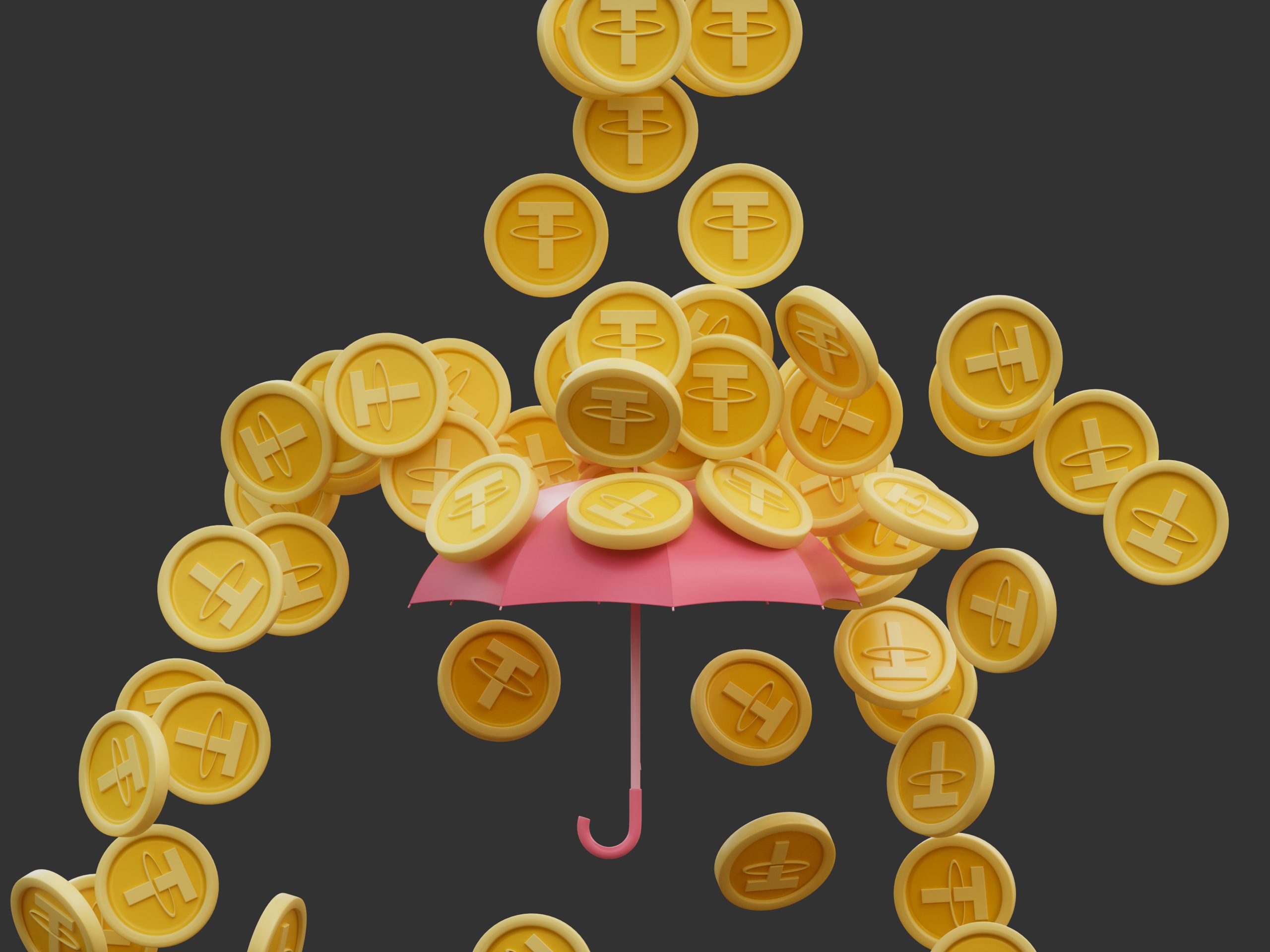
Georgia Pilots Lari Stablecoin
This isn’t just another crypto announcement; it feels like a seismic shift. Georgia, a nation already leaning into digital assets, is partnering with Tether to launch GEL₮, a stablecoin pegged to its national currency, the Georgian lari. Think of it like this: instead of just using paper money that takes days to cross borders and incurs hefty fees, imagine a digital version of the lari, instantly transferable, programmable, and built for the modern economy. That’s the dream this partnership is chasing, and honestly, it’s electrifying.
The move is ambitious, aiming to slash transaction costs, enable near-instant settlement—a stark contrast to the glacial pace of traditional finance—and unlock the power of programmable payments. Beyond domestic use, the broader objective is to turbocharge cross-border transfers, a persistent pain point for businesses and individuals worldwide.
Georgia’s government has, for a while now, been signaling its pro-crypto leanings. Earlier this year, its central bank laid down regulatory groundwork for stable virtual assets, a clear move to align its burgeoning crypto sector with international standards. This isn’t a spur-of-the-moment decision; it’s part of a deliberate strategy to position Georgia as a forward-thinking financial hub.
Now, let’s be clear: GEL₮ isn’t a CBDC. It’s a private entity, Tether, issuing the token, not the central bank. This distinction is important. The issuer controls the tech, the distribution, and, crucially, the reserves. This hybrid model—where governments set the rules and private companies build the pipes—is becoming the new normal in the stablecoin universe. It’s a pragmatic dance between regulation and innovation.
Why Tether? A Calculated Partnership
While Georgia is providing the regulatory playground, Tether brings the heavy artillery: immense scale, a vast distribution network, and the technical chops of the world’s leading stablecoin issuer. Its dollar-backed USDT is a titan, sitting comfortably as the third-largest crypto by market cap. They’ve dabbled with other currencies before, from the Mexican peso to plans for the UAE dirham, showcasing an appetite for global expansion. However, their multi-currency journey hasn’t been without its bumps—discontinued euro and yuan-pegged tokens hint at the complexities of currency pegs beyond the almighty dollar. It’ll be fascinating to see if they can navigate the Lari with more success.
The Unanswered Questions: Trust is the New Currency
Despite the palpable excitement, several key questions hang in the air, like unread notifications. There’s no firm launch date, and details on where the reserves will be stashed and whether holders can directly redeem their GEL₮ are conspicuously absent. These aren’t minor details; they’re the bedrock upon which market confidence and widespread adoption will be built. As Joel Hugentobler, Cryptocurrency Analyst at Javelin Strategy & Research, put it:
“It will come down to trust and its utility—in this case, its ability to solve an economic problem,” said Joel Hugentobler, Cryptocurrency Analyst at Javelin Strategy & Research. “It’ll need to have strong transparency for reserves, regulatory, on/off ramps, and so forth.”
Hugentobler hits the nail on the head. Transparency in reserves, clear regulatory pathways, and smooth on/off ramps for converting GEL₮ to and from fiat are non-negotiable. These are the essential ingredients that separate a speculative fad from a foundational financial tool.
The real prize, as Hugentobler points out, lies in tackling the inefficiencies of existing payment systems. For cross-border payments and remittances, where traditional rails are often slow and prohibitively expensive, a well-executed stablecoin like GEL₮ could truly shine. If it can deliver on these fronts, its chances of becoming woven into the fabric of global finance skyrocket.
But here’s my take: this partnership is less about a specific currency and more about a blueprint. It’s a test case for how other nations, perhaps less crypto-native than Georgia, might deploy stablecoins backed by their own currencies. It’s a bold experiment in decentralizing finance, and the world is watching. If GEL₮ can overcome its current uncertainties and deliver on its promise, it won’t just be a win for Georgia and Tether; it’ll be another powerful signal that the future of money is already here.