Banks of the future.
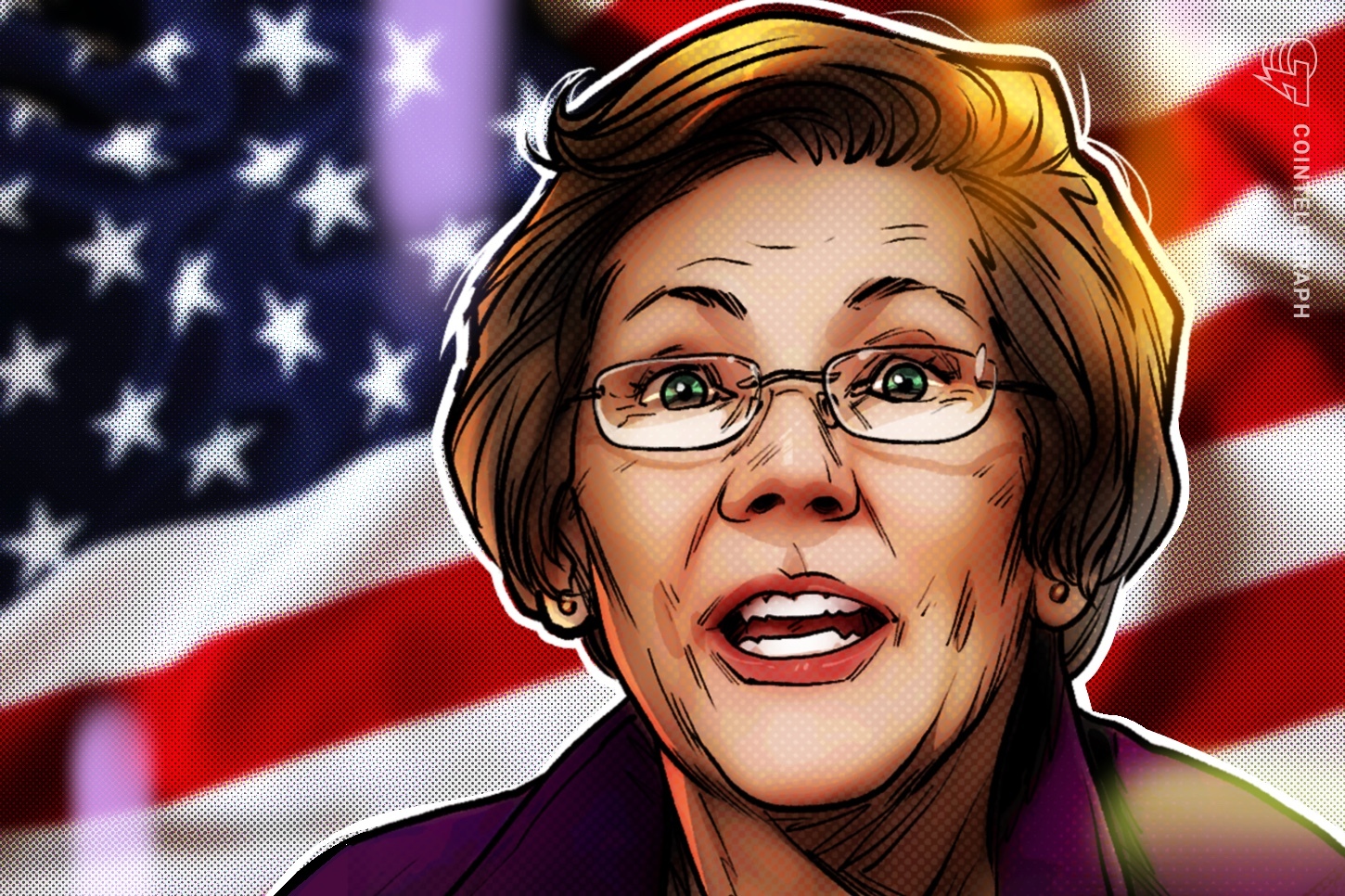
That’s the whisper, isn’t it? The digital gold rush, the promise of a financial world untethered from the sluggish, old-world brick and mortar. But what happens when that shiny new future bumps headfirst into the established, often frustrating, but undeniably vital guardrails of regulation? That’s precisely the clash we’re seeing right now, a seismic rumble between Senator Elizabeth Warren and the Office of the Comptroller of the Currency (OCC), all centered around the murky approvals of crypto trust charters.
Warren isn’t holding back. She’s fired off a salvo, a full-blown demand for the OCC to spill the beans on every crypto company that’s received or is in line for a national trust charter. We’re talking names like Coinbase, Crypto.com, Ripple, Stripe, Fidelity Digital Assets – a veritable who’s who of the digital finance space. It’s a request that screams, “Show me the money… and the paperwork!” But it’s more than just a paperwork chase; it’s a fundamental challenge to how we define and regulate these new financial entities.
“These companies are effectively crypto banks that want to evade the fundamental safeguards and obligations that come with being a bank,” Warren declared, and honestly, the punch of that statement lands like a well-aimed digital haymaker. She’s not just talking about technicalities; she’s painting a picture of regulatory arbitrage, a shrewd maneuver to sidestep the very rules that protect consumers and, crucially, the stability of the entire financial ecosystem. The implication is stark: by granting these charters, the OCC might be inadvertently creating loopholes, opening the door to risks that could ripple through the banking system and even blur the lines between finance and commerce itself.
This isn’t Warren’s first rodeo. She’s been a vocal critic, a hawk circling the nest of potential conflicts of interest, especially when the whiff of the Trump administration’s involvement floats in the air. Her push for provisions in the CLARITY Act and her call to pump the brakes on the Trump family-backed World Liberty Financial’s charter application all point to a consistent battle cry: transparency and rigorous oversight, especially in this wild west of digital assets.
The OCC, meanwhile, has been conspicuously quiet. A request for comment from Cointelegraph yielded no immediate response – a classic industry silence that can either mean intense deliberation or a strategic game of wait-and-see. But the filings keep coming. Take Payward, the parent company of Kraken. They’ve thrown their hat in the ring for a national trust charter, aiming to offer fiduciary custody for digital assets. This, they argue, will allow them to operate under the Payward National Trust Company umbrella, a move that sounds perfectly reasonable on the surface.
Here’s the kicker, though: national trust bank charters, by their very nature, allow entities to offer custodial and fiduciary services without necessarily engaging in the traditional banking activities of deposit-taking or commercial lending. This distinction, seemingly minor, is a regulatory chasm. It means they aren’t subject to the same level of scrutiny, the same stringent capital requirements, or the same strong consumer protections that traditional banks have to adhere to. It’s like giving a race car driver a learner’s permit – they’ve got the vehicle, they know how to drive fast, but they haven’t gone through the full rigorous training and testing that ensures public safety.
My unique insight here? This isn’t just about crypto. This is the frontline of a battle that’s been fought for decades whenever a truly disruptive technology emerges. Think of the early days of the internet, or the advent of fintech. The regulators are always playing catch-up, trying to apply old frameworks to entirely new paradigms. Warren’s critique isn’t just about the OCC’s current decisions; it’s a plea to ensure that as we build this future, we don’t accidentally dismantle the very foundations that make our financial system reliable. It’s about whether we’re building on solid ground or on the shifting sands of innovation without adequate safeguards.
Is the OCC’s Approach Smart or Risky?
The OCC’s current stance, prioritizing innovation and trying to bring digital asset firms into a regulated framework, could be seen as forward-thinking. They want to avoid pushing these entities underground where they’re entirely unregulated. However, Senator Warren’s concerns highlight the very real danger of regulatory capture or, at the very least, a rushed approval process that prioritizes speed over prudence. The question isn’t if crypto will be regulated, but how. And the OCC’s current path, according to its critics, might be a shortcut that leads off a cliff.
What Does This Mean for Consumers and the Banking System?
For consumers, the implications are direct. If these crypto banks operate under a less stringent regulatory regime, the safety nets that protect traditional bank depositors—like FDIC insurance—might not be there. This means consumers could bear a greater burden of risk if these institutions fail. For the broader banking system, the concern is that allowing a parallel, less-regulated financial infrastructure to flourish could create systemic risk. If these entities become large and interconnected, a failure within the crypto banking sector could trigger broader financial instability, a domino effect that no one wants to see.
This tug-of-war between innovation and regulation is the narrative arc of technological advancement. The OCC is trying to steer the ship into new waters, while Senator Warren is demanding they check the charts and ensure there are no hidden reefs. It’s a high-stakes game of digital chess, and we’re all watching to see who makes the next move, and more importantly, who ultimately checks the king.