Has Bitcoin become the 21st century’s digital gold — a reliable safe haven when international diplomacy sours?
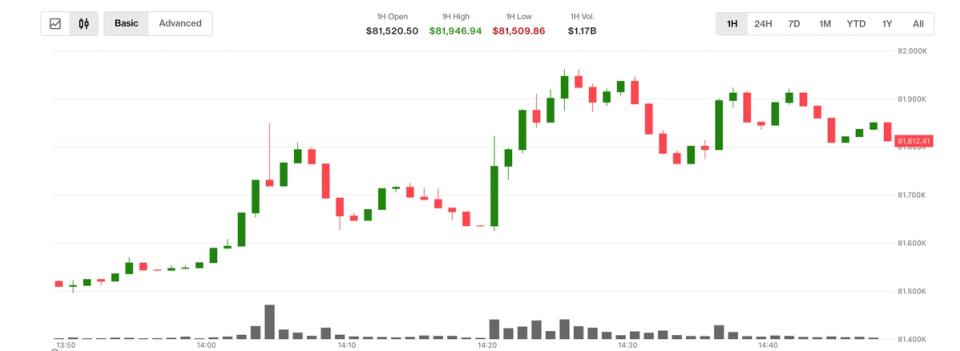
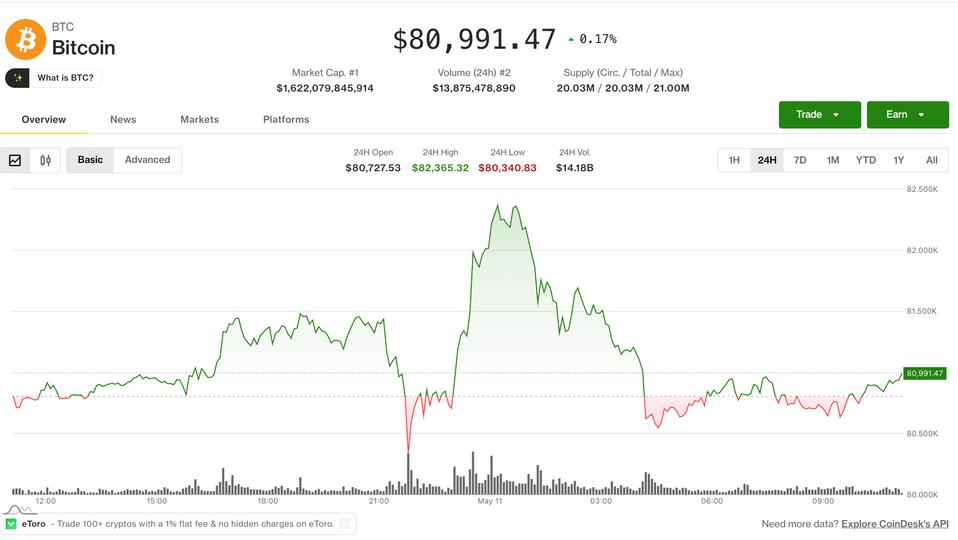
The recent geopolitical flare-up between the US and Iran, marked by escalating rhetoric and disrupted oil trade routes, has seen Bitcoin notch a respectable 2.3% gain. This isn’t an isolated incident; since the US airstrike that killed Iran’s Supreme Leader Ayatollah Ali Khamenei on February 28th, Bitcoin has climbed a significant 29.7%. For context, that handily outpaces the S&P 500 and gold during the same turbulent period. It’s a narrative that crypto proponents have long championed: an uncorrelated asset that thrives when traditional markets stutter. Yet, the narrative of Bitcoin as a pure geopolitical hedge feels a tad too neat, especially when you peel back the layers.
The Crude Connection: Oil Prices and Portfolio Jitters
The immediate fallout from Trump’s hardline stance on Iran’s peace proposal has predictably sent oil prices soaring. We’re talking another 4.6% jump to $98.7 per barrel, a move that ripples through global markets, sparking inflation fears and putting pressure on consumer wallets. This kind of disruption often prompts a flight to perceived safety. The S&P 500 futures, for instance, saw a modest uptick of 0.13% after the initial market jitters. But Bitcoin’s advance here isn’t just about escaping oil shocks; it’s about an underlying market dynamic that sees digital assets playing a more complex role than a simple directional bet against conflict.
Senate Catalysts: The Regulatory Wildcard
Here’s where the story gets genuinely interesting. Beyond the theater of international relations, two critical US Senate decisions loom large this week, offering a far more tangible, albeit less sensational, bullish case for Bitcoin. Markus Thielen, CEO of 10x Research, points to the confirmation vote for Kevin Warsh as Federal Reserve chair and the Banking Committee’s markup of the CLARITY Act. Warsh, often described as more hawkish on inflation than current Fed Chair Jerome Powell, could inject a degree of certainty into monetary policy, removing a persistent overhang of uncertainty that typically weighs on risk assets like cryptocurrencies.
“Both events lean bullish for Bitcoin: regulatory clarity reduces institutional friction, and a smooth Fed leadership transition avoids the policy uncertainty that typically pressures risk assets.”
The CLARITY Act, in particular, is being hailed as potentially the most significant piece of crypto legislation in years. If passed, it could finally provide much-needed regulatory clarity across the digital asset landscape, a move that institutional investors have been clamoring for. Reduced friction for these large players? That’s a direct pipeline for capital. The market often anticipates these developments, and the current Bitcoin rally might be as much a function of these upcoming legislative wins as it is a reaction to international posturing.
A Tale of Two Narratives: Hype vs. Substance
It’s tempting to paint Bitcoin’s recent strength solely as a reaction to geopolitical instability. This narrative sells well, fits the ‘digital gold’ meme, and makes for good headlines. But the data suggests a more nuanced reality. While the chaos in the Strait of Hormuz certainly adds an undercurrent of risk to the global financial system, the impending clarity from the US Senate on crucial legislation offers a more concrete, data-backed reason for optimism. We’ve seen Bitcoin reclaim ground lost in October, even hitting highs of $126,080 previously, and its current trajectory suggests it’s not just reacting to negative news but positioning for future growth driven by regulatory certainty and potentially more stable monetary policy. The real question isn’t just if Bitcoin is a safe haven, but why it’s rallying now, and the answer likely lies in a potent mix of both macro-level anxieties and forward-looking regulatory progress.
Is Bitcoin’s Resilience a Long-Term Trend?
The performance comparison is stark: Bitcoin has not only outperformed the S&P 500 but also gold since the US-Iran conflict intensified. This isn’t just a temporary blip; it suggests a growing maturity in the digital asset market. As more institutional capital becomes accessible due to potential regulatory clarity, and as central banks grapple with inflation, Bitcoin’s appeal as a distinct asset class with uncorrelated upside potential is likely to grow. The key will be maintaining this momentum through actual legislative action and stable monetary policy, rather than relying solely on external shocks.
What’s Next for Bitcoin in This Climate?
With key Senate votes on the horizon and the ongoing geopolitical tensions, Bitcoin’s price action will be closely watched. The confirmation of a potentially hawkish Fed chair and the advancement of the CLARITY Act could provide sustained upward pressure, reducing the speculative element often associated with crypto. However, any escalation in the Middle East or unexpected shifts in Fed policy could quickly alter the landscape. The market is clearly betting on positive outcomes, but the volatility inherent in both geopolitical events and nascent regulatory frameworks means that caution, alongside optimism, is warranted. This isn’t just about surviving geopolitical storms; it’s about building a strong foundation for future growth.
🧬 Related Insights
- Read more: Zero-Knowledge Proofs Explained: Privacy Technology for Blockchain
- Read more: Inxy’s $4M Stablecoin Bet: Fuel for the Fire or Fizzle?
Frequently Asked Questions
What are the two Senate decisions mentioned that could impact Bitcoin?
The two key Senate decisions highlighted are the confirmation vote for Kevin Warsh as Federal Reserve chair and the Banking Committee’s markup of the CLARITY Act.