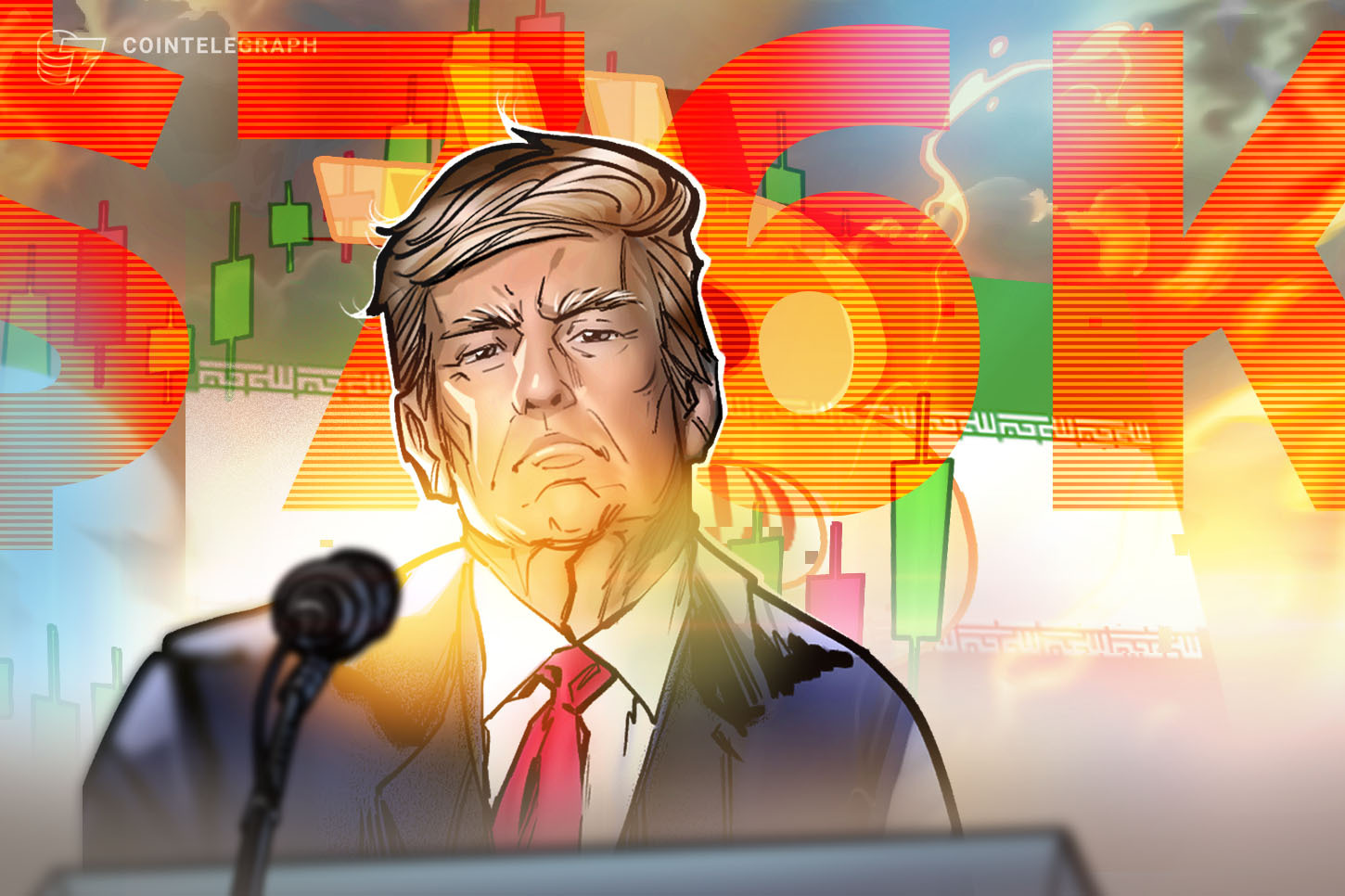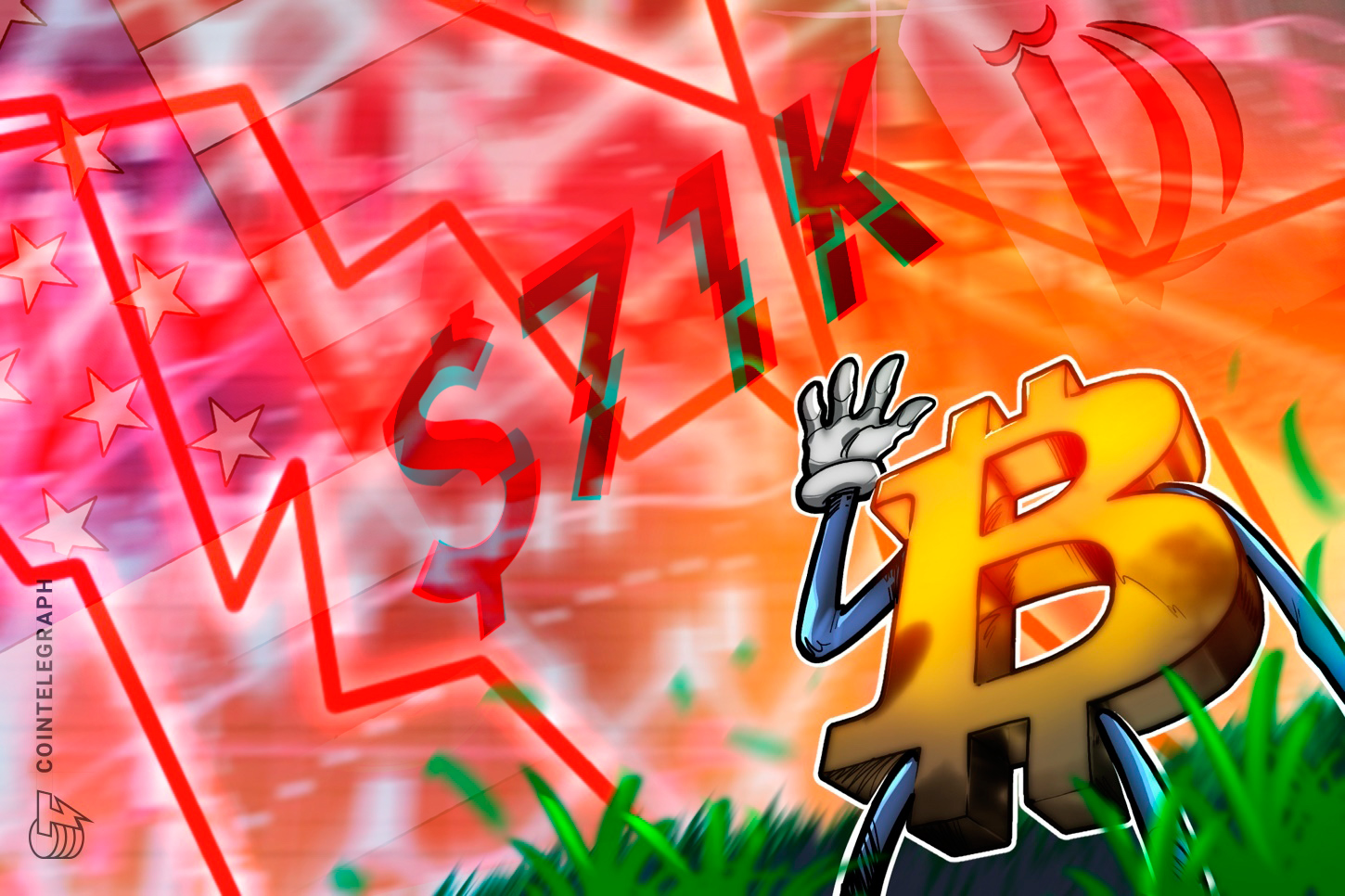
And just like that, the weekend gets a whole lot more expensive for anyone holding Bitcoin. As negotiations to, you know, not have a war, collapsed faster than a poorly coded smart contract, BTC took a 3% nosedive, slinking below the $71,000 mark. Talk about a real-time reaction to geopolitical jitters.
It’s always the same script, isn’t it? Diplomacy sputters, markets panic. This time, the flashpoint is the Strait of Hormuz, which President Trump—because of course—decided would be the perfect place to flex a bit of muscle. Demanding Iran reopen it sounds a lot like picking a fight, and guess who pays the price?
The crypto market, naturally. Being the 24/7, always-on beast that it is, Bitcoin felt the tremor first. Late long positions? Cooked. The data from TradingView painted a grim picture, with BTC price action hemorrhaging gains faster than a leaky faucet.
War Fears Drive BTC Downside
So, what exactly went wrong? Apparently, the folks in Islamabad couldn’t hammer out an agreement on nuclear weapons. Shocker. And then, the kicker: Trump’s decree on Truth Social, threatening to blockade the Strait of Hormuz and “interdict” any vessels that dare pay Iran for passage. “No one who pays an illegal toll will have safe passage on the high seas,” he declared. Because nothing screams “stability” like threatening global trade routes.
This isn’t just about oil prices, though that’s a big part of it. The Kobeissi Letter, bless their analytical hearts, laid it out starkly on X: if the path forward is “continued war, escalation, and a prolonged closure of the Strait of Hormuz,” then the Iran War has entered a “new era.” And with US CPI inflation already nudging upwards, they predict further escalation could push it past 4.0%. Remember that jump in the oil-price component of CPI? Yeah, that wasn’t a drill.
And the diplomatic channels? Closed. “There are currently no plans for additional talks,” Kobeissi added, citing Iranian media. So, the big question is, does diplomacy win, or does military action take the cake? Today, apparently, we find out.
Bitcoin Liquidations Mount as Longs Suffer
This is where things get particularly juicy for those of us who enjoy watching the financial carnage. Bitcoin, as the only asset class willing to trade its soul 24/7, had to absorb this blow in real-time. CoinGlass data showed BTC/USD ripping through long liquidations, with nearly $350 million going up in smoke in just 24 hours. Ouch.
Michaël Van de Poppe, a trader who clearly enjoys the chaos as much as I do, chimed in on X. “Volatility remains high,” he stated, “and it’s clear that there won’t be a path forward where risk-on assets will do well if this continues to be the consensus.” He’s not wrong. When the world looks like it’s about to go up in flames, your average investor tends to tuck their riskier assets under the mattress.
But here’s where it gets interesting. Van de Poppe’s take? This economic weakness, this returning war scenario, might just force the Federal Reserve’s hand. Despite rising inflation, they might have to inject liquidity—print more money, in layman’s terms—just to prop up the teetering economy. Think about that: more war leads to economic weakness, which leads to more money printing, which should devalue the currency and… well, it’s a snake eating its own tail, isn’t it?
This isn’t just idle speculation. Earlier this week, Cointelegraph flagged the increasing odds of a US recession in 2026. And next week? More inflation data from the Producer Price Index (PPI), plus a chorus of Fed officials ready to weigh in. Buckle up.
Is this a rerun of past geopolitical shocks?
It certainly feels like it. Every time tensions flare in the Middle East, particularly concerning Iran and oil transit routes, the markets hold their breath. We saw similar volatility during the lead-up to the Iraq War and subsequent conflicts. The response from risk assets like Bitcoin, while sometimes amplified by its nascent status, often follows a familiar pattern: initial sell-offs driven by uncertainty and fear of supply chain disruptions or rising energy costs. The historical precedent suggests that such events, while short-term shocks, can also create longer-term shifts in investor sentiment and capital allocation, as seen when investors sought safe havens or alternative stores of value.
What does this mean for the future of Bitcoin?
For now, it means volatility. A lot of it. This isn’t the kind of news that inspires confidence in Bitcoin as a stable store of value, at least not in the immediate term. Longer-term, however, it presents a curious paradox. If the global economy becomes increasingly unstable due to perpetual geopolitical conflicts and the potential devaluation of fiat currencies through excessive money printing (as hinted by Van de Poppe), then Bitcoin, with its fixed supply and decentralized nature, could eventually look more attractive to those seeking an inflation hedge. But that’s a big ‘eventually,’ and it requires navigating a whole lot of immediate pain.
🧬 Related Insights
- Read more:
- Read more: BTC Teases $76K Breakout — But On-Chain Data Screams Caution on Top Crypto Rally
Frequently Asked Questions
What are the current US-Iran tensions about?
The tensions revolve around the breakdown of nuclear weapons negotiations and President Trump’s threat to blockade the Strait of Hormuz, a critical oil transit route. This escalates fears of increased military conflict and its economic consequences.
Will Bitcoin recover from this drop?
Short-term recovery is uncertain and heavily dependent on geopolitical developments. While some argue that economic instability could eventually benefit Bitcoin, immediate reactions to war fears are typically negative for risk assets.
What is the Strait of Hormuz?
The Strait of Hormuz is a narrow waterway connecting the Persian Gulf and the Gulf of Oman. It is one of the world’s most important oil transit points, with a significant portion of global oil passing through it daily.