So, Bitcoin just shed a cool 7% in a matter of days, finding itself at a three-week low of $76,500. This isn’t exactly a bull run rally, is it? It comes right after flirting with 13-week highs of $83,000, fueled by the usual suspects: spot ETF inflows and some vague optimism about a US act called CLARITY. Cute name, apparently not enough to counteract a presidential tweet.
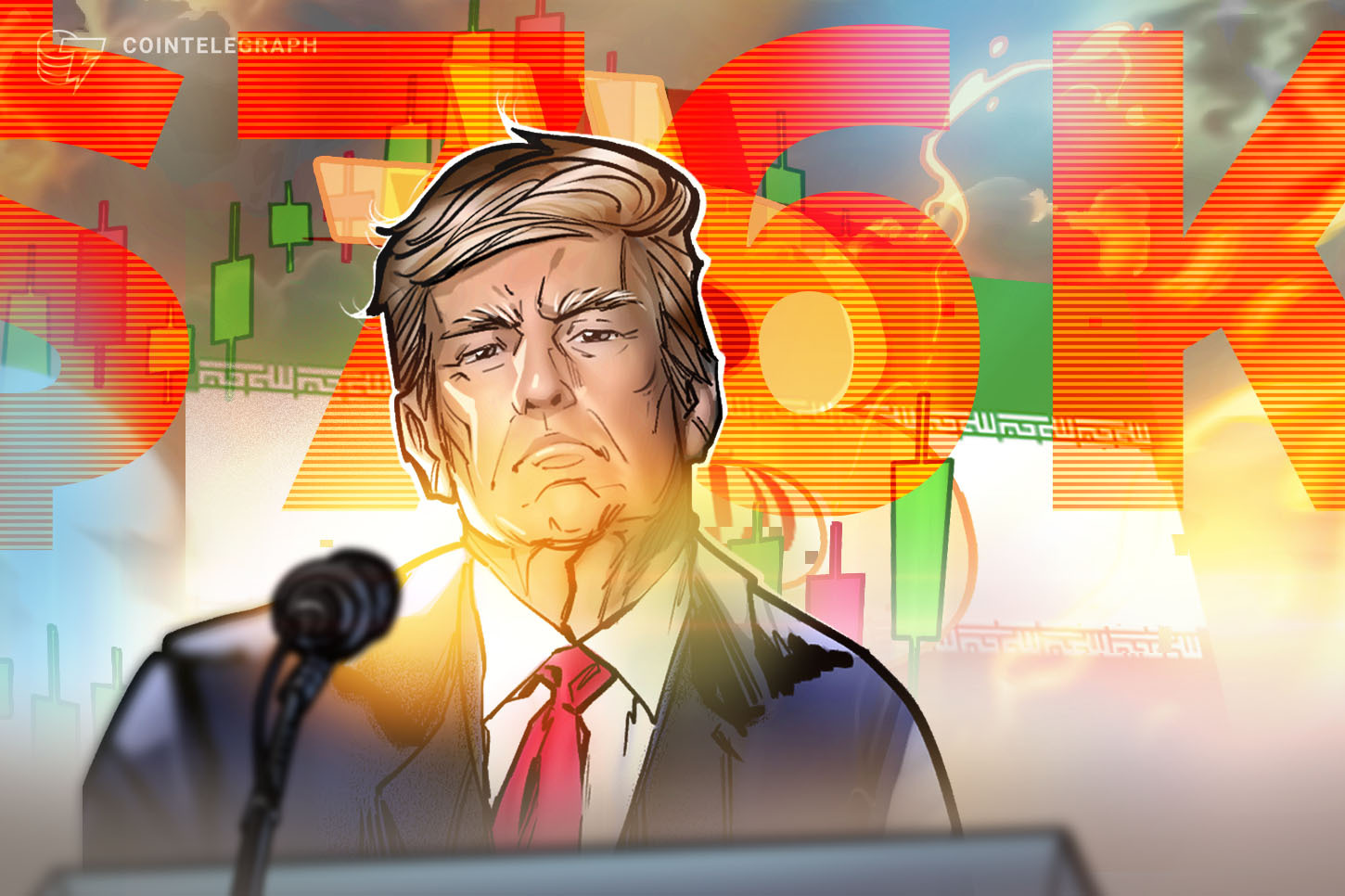
What did it? Donald Trump, naturally. His little pronouncement on Sunday, essentially telling Iran the “clock is ticking” regarding peace talks, apparently sent shivers down the digital spine of the crypto market. Analyst CryptoRover helpfully pointed out on X that this is “extremely dangerous for $BTC.” I mean, who would have thought saber-rattling could impact a supposed hedge against inflation? Shocking.
And the fallout? Over $607 million in long positions got utterly eviscerated in the last 24 hours, with BTC longs taking a $190 million hit. The entire crypto market coughed up $677 million in liquidations. Meanwhile, oil prices did their usual jitterbug, with WTI spiking over 3% to $104 before settling back to $101. Capital.com helpfully explained that higher oil means “hotter future inflation,” which means the Fed will keep rates high, lifting the dollar and yields. A trifecta of doom for anything vaguely speculative.
Are the Bears Back in Charge?
Now, the technical analysts are chiming in, dusting off their charts and whispering about “bearish divergence” and “resistance levels.” CryptoJelleNL, over on X, suggests that hitting resistance at $82,000 is what triggered this whole “pullback we’re in right now.” His profound question for the ages? “Bears getting back in the driver’s seat?” Groundbreaking stuff.
Michael van de Poppe, the founder of MN Capital, offered a slightly more grounded (for crypto) assessment. He reckons immediate support at $76,000 “should hold to prevent a market-wide crash.” If it doesn’t, he’s got a handy chart showing other support levels to watch, including a demand zone between $71,000-$73,000, and the dreaded local low at $65,000. That $65,000 mark is apparently the target of an inverted V-shaped pattern – a 16% drop from where we are now. Remember April 2025? Apparently, a similar sharp correction happened then after a rejection by the 200-day moving average. Good to know history repeats itself, especially the painful parts.
Trump confirms the clock is ticking for Iran. The US is allegedly preparing for a potential new military operation against Iran. This is extremely dangerous for $BTC.
This whole episode reeks of the classic Bitcoin playbook: inflate on optimism, deflate on geopolitical fear. It’s a volatile dance, and for the average retail investor, it’s less a dance and more like being dragged across the floor by a drunk uncle. The CLARITY Act? ETFs? These are the whispers in the wind. The shouts from the global stage? That’s the real driver. Who’s making money here? Not the folks caught in those liquidations, that’s for sure.
I’ve seen this movie before. Every time there’s a whiff of global instability, crypto markets, which are supposed to be this revolutionary, decentralized haven, suddenly get very, very centralized in their reactions. They mirror traditional markets, especially risk-on assets, and often amplify the swings. The promise of decoupling from traditional finance? Still a pipe dream, apparently.
Why is Bitcoin So Sensitive to Geopolitics?
Look, Bitcoin was sold to us as digital gold, a hedge against inflation, and a bastion of freedom from government meddling. But the reality is, it’s still a highly speculative asset with a relatively small market cap compared to traditional markets. A few billion dollars moving in or out of ETFs can cause big ripples. And when you add in the use that many traders use—those millions in liquidations tell a story—even a relatively small price swing can trigger a cascade of selling. Plus, the narrative shift is real. When inflation fears spike (think higher oil prices), investors might flee to tangible assets or even cash. Bitcoin, despite its digital mystique, is still often seen as a risk-on play, meaning it’s one of the first things people dump when the going gets tough. It’s not quite the uncorrelated safe haven the evangelists promised, not yet anyway.
What Does This Mean for Bitcoin’s Future?
This latest tumble reinforces the idea that Bitcoin, for all its technological innovation, remains deeply tethered to global sentiment and traditional economic forces. The ETF narrative, while significant, hasn’t erased the underlying volatility. The $65,000 level is now a critical watchpoint. If geopolitical tensions continue to simmer or escalate, and inflation fears persist, that level could be tested. Conversely, any de-escalation or a fresh wave of institutional buying might see it rebound. But don’t expect smooth sailing. Expect more of this choppiness, driven by news headlines as much as by blockchain innovation. The dream of a truly independent digital asset is still a long way off, and for now, it’s just another volatile market reacting to the world’s chaos.