Geopolitics goes crypto.
This isn’t hyperbole; it’s the new reality dawning in one of the world’s most critical maritime choke points. Iran, facing escalating regional tensions and sanctions, is reportedly exploring an entirely novel approach to securing passage through the Strait of Hormuz: a bitcoin-based maritime insurance system dubbed “Hormuz Safe.” Forget traditional financial networks and Western-controlled corridors; this is Iran attempting to carve out its own financial infrastructure, a move that signals a profound platform shift in how nations assert influence.
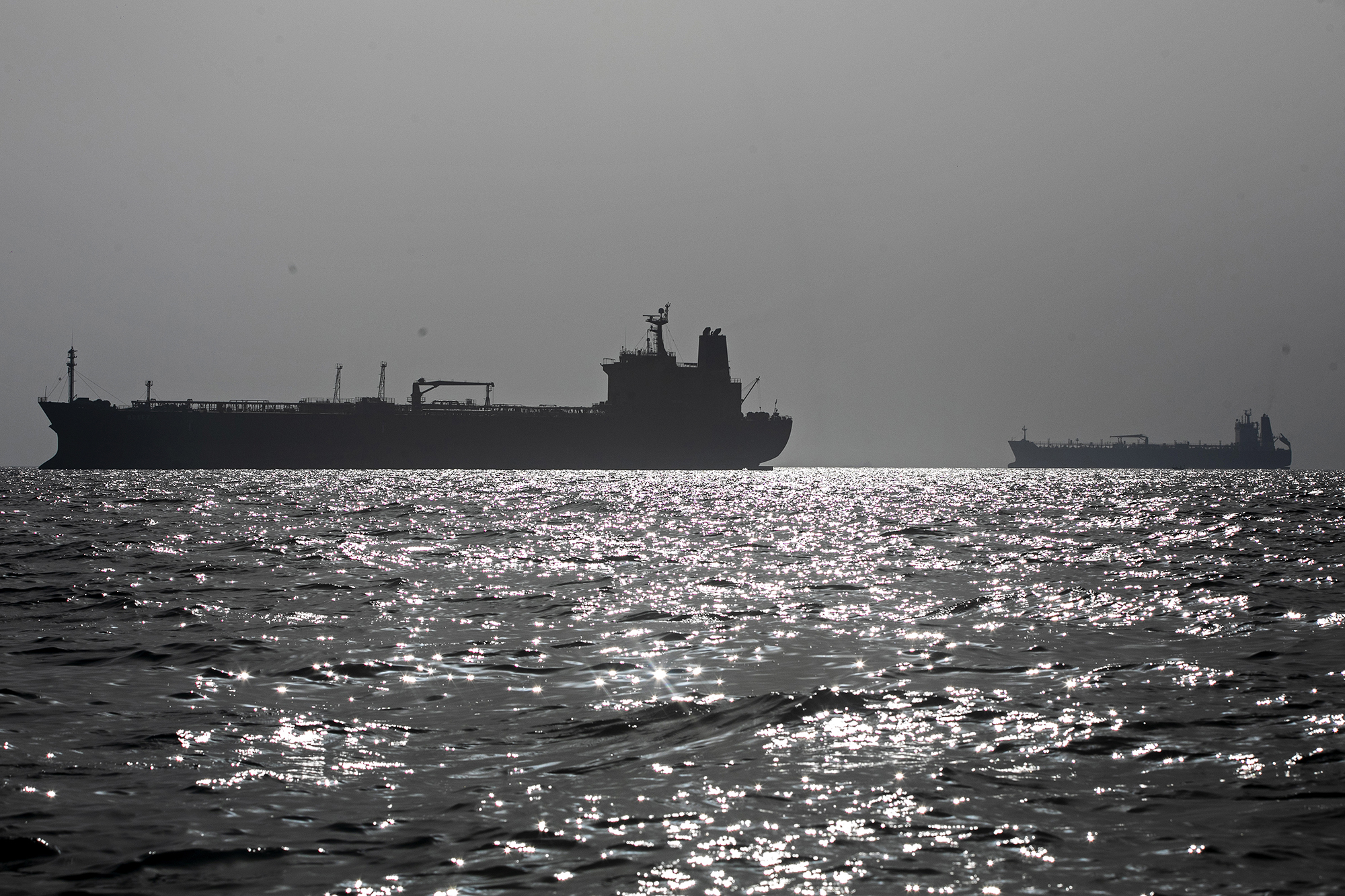
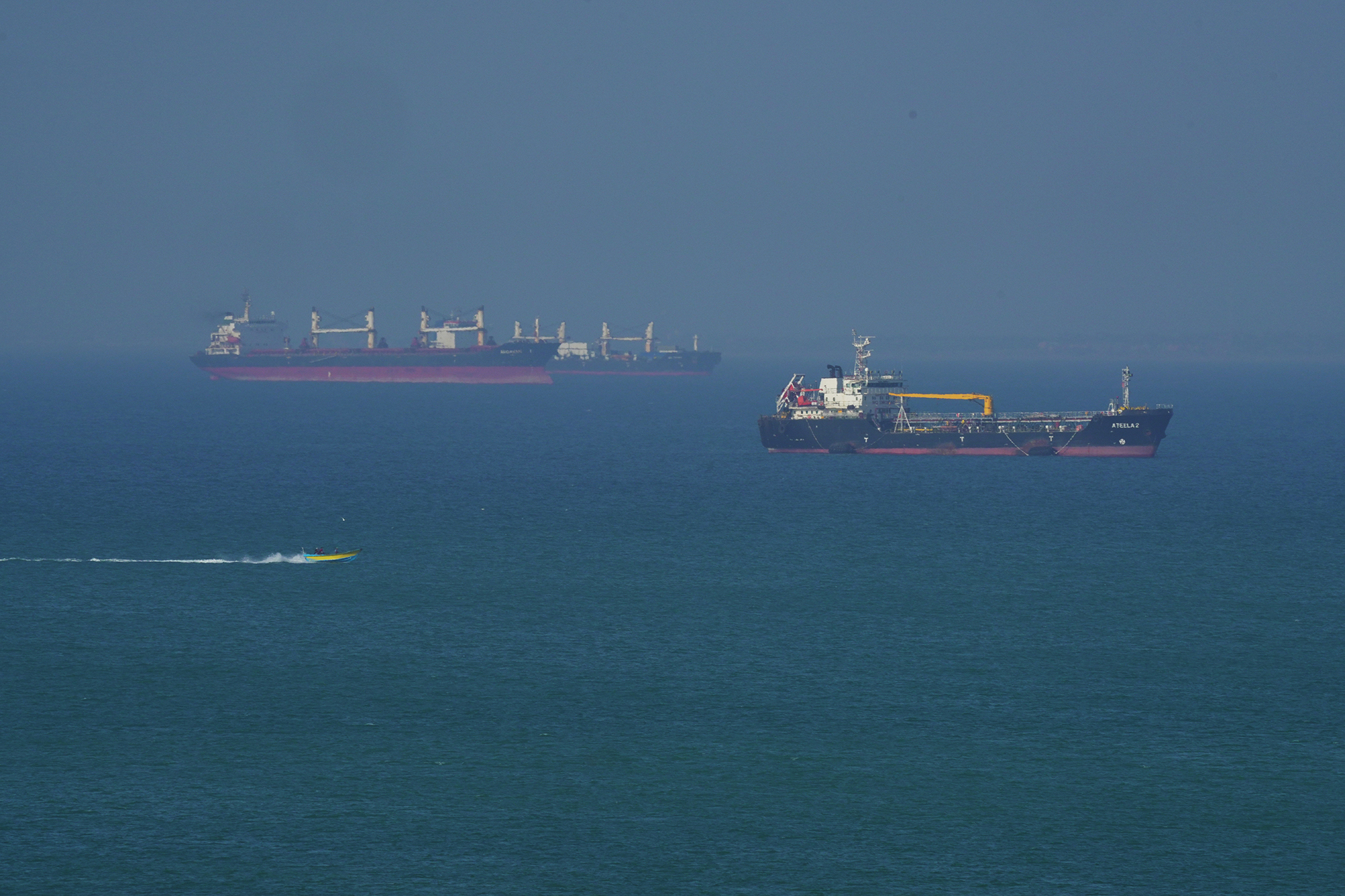
Imagine the Strait of Hormuz, a sliver of water so vital that its disruption sends ripples through the global economy faster than a sonic boom. Roughly one-fifth of the world’s oil consumption squeezes through this narrow artery, making it less a shipping lane and more a pulsing aorta of global commerce. When traffic falters, energy prices don’t just tick up; they skyrocket. Insurance markets don’t just flutter; they convulse. And supply chains, from Rotterdam all the way to Shanghai, feel those aftershocks like a punch to the gut. Now, picture Iran not just reacting to this seismic importance, but actively monetizing it.
The report from Iran’s Economy Ministry paints a picture so futuristic it almost feels like science fiction, yet the underlying economic logic is starkly pragmatic. Amidst a protracted maritime security crisis and the nation’s ongoing geopolitical isolation, Tehran is apparently experimenting with using bitcoin infrastructure to construct an alternative maritime insurance market. This isn’t about simply avoiding sanctions; it’s about transforming geopolitical use – the inherent power Iran wields by controlling this vital waterway – into programmable financial rails.
Think about it: while most discussions focus on oil flows and military posturing, the immediate economic vulnerability lies in insurance. Navigating conflict zones hinges on strong war-risk coverage, provided by a specialized cadre of insurers and reinsurers. When geopolitical threats intensify, premiums don’t just climb; they can evaporate altogether. This new Iranian initiative appears to be a direct response, an attempt to decouple the cost of safe passage from the capricious nature of international politics.
Instead of imposing a blatant transit toll – an act that could easily trigger wider international retaliation – Iran is exploring an insurance-based framework. This effectively prices access, transforming safe passage from a military concession into a negotiable financial product. It’s a subtle, yet powerful, recalibration. Markets, after all, are far more adept at normalizing fees and premiums than they are at appeasing coercive political demands. Furthermore, an insurance instrument inherently creates recurring revenue streams and, crucially, embeds Iran directly into the transaction architecture of global trade. The catch, of course, is that traditional maritime insurance is deeply enmeshed with dollar settlement networks, correspondent banking, and global compliance regimes heavily influenced by the US and Europe. Any payment touching these conventional rails risks delay, seizure, or, at the very least, intense sanctions scrutiny.
This is where the magic – or perhaps the menace – of bitcoin comes in. A bitcoin-settled maritime insurance framework effectively transmutes geopolitical tension into a digitally mediated revenue stream. The more volatile the region becomes, the more indispensable this insurance mechanism potentially grows. This is the true seismic shift: nations facing geopolitical constraints are beginning to recognize and actively explore how digital financial infrastructure can be directly yoked to strategic assets and trade flows. It’s a new frontier where territorial control meets algorithmic finance.
Is This the End of Traditional Maritime Insurance?
Let’s be clear: none of this guarantees success. The path for “Hormuz Safe” is littered with colossal legal, technical, and geopolitical obstacles. Blockchain networks and exchanges entangled with sanctioned activities instantly become glittering targets for aggressive enforcement from US regulators. Global insurers, bound by established frameworks and the fear of secondary sanctions, might simply refuse to acknowledge these alternative coverage models. Shipping companies, themselves risk-averse, may find the specter of secondary sanctions more terrifying than any maritime disruption.
And then there’s the bedrock of any insurance: trust. Insurance functions because counterparties believe their claims will be honored. In the volatile theatre of conflict zones, establishing and maintaining credibility is a Herculean task. Yet, regardless of whether “Hormuz Safe” ultimately sails or sinks, its very existence illustrates a fundamental reordering of the relationship between geopolitics and finance. Nations are no longer just vying for territory or traditional trade routes; they are increasingly competing for dominance over the transaction systems that underpin global commerce. This is the digital arms race, and Iran has just fired a cryptocurrency salvo.
The profound implication here, and it’s one that far outstrips the immediate debate over oil prices, is that digital financial infrastructure is evolving into a direct extension of state power. We’ve seen countries use traditional finance as a weapon, imposing sanctions and freezing assets. Now, with the rise of strong, decentralized digital currencies, they can build alternative financial rails that are far more resistant to external control. This isn’t just about circumventing existing systems; it’s about building entirely new ones where a nation’s control over a physical chokepoint can be directly translated into financial use, secured by the immutable ledger of a blockchain. It’s a future where strategic assets are not just held, but are actively used to mint digital currency and exert financial influence, creating a potent new tool in the geopolitical arsenal.
The most important takeaway is not whether bitcoin becomes widely used in maritime insurance markets. It is that governments facing geopolitical constraints are beginning to explore how digital financial infrastructure can be tied directly to strategic assets and trade flows.
This is the dawn of a new era, a digital Cold War where financial sovereignty is as contested as territorial sovereignty. It’s a fascinating, and perhaps unsettling, glimpse into the future of global finance and power dynamics. The question isn’t if this will happen elsewhere, but when, and how the established financial powers will respond to these emergent digital battlegrounds.
🧬 Related Insights
- Read more: Crypto Exchanges Become ‘Shadow Banks’ in Emerging Markets
- Read more: Bank of Korea Pushes BTC Circuit Breakers [Skeptical Take]
Frequently Asked Questions
What is Hormuz Safe? Hormuz Safe is reportedly an initiative by Iran to create a bitcoin-based maritime insurance system for ships transiting the Strait of Hormuz, aiming to bypass traditional Western financial networks.
Why is Iran doing this? Iran appears to be attempting to monetize geopolitical risk and sanctions-related financial exclusion by creating its own sanctions-resistant payment and insurance infrastructure, using cryptocurrency.
Will this replace traditional insurance? It’s unlikely to replace traditional insurance entirely in the short term, given the significant legal, technical, and trust challenges. However, it signals a broader trend of nations exploring digital finance to assert geopolitical and economic influence.