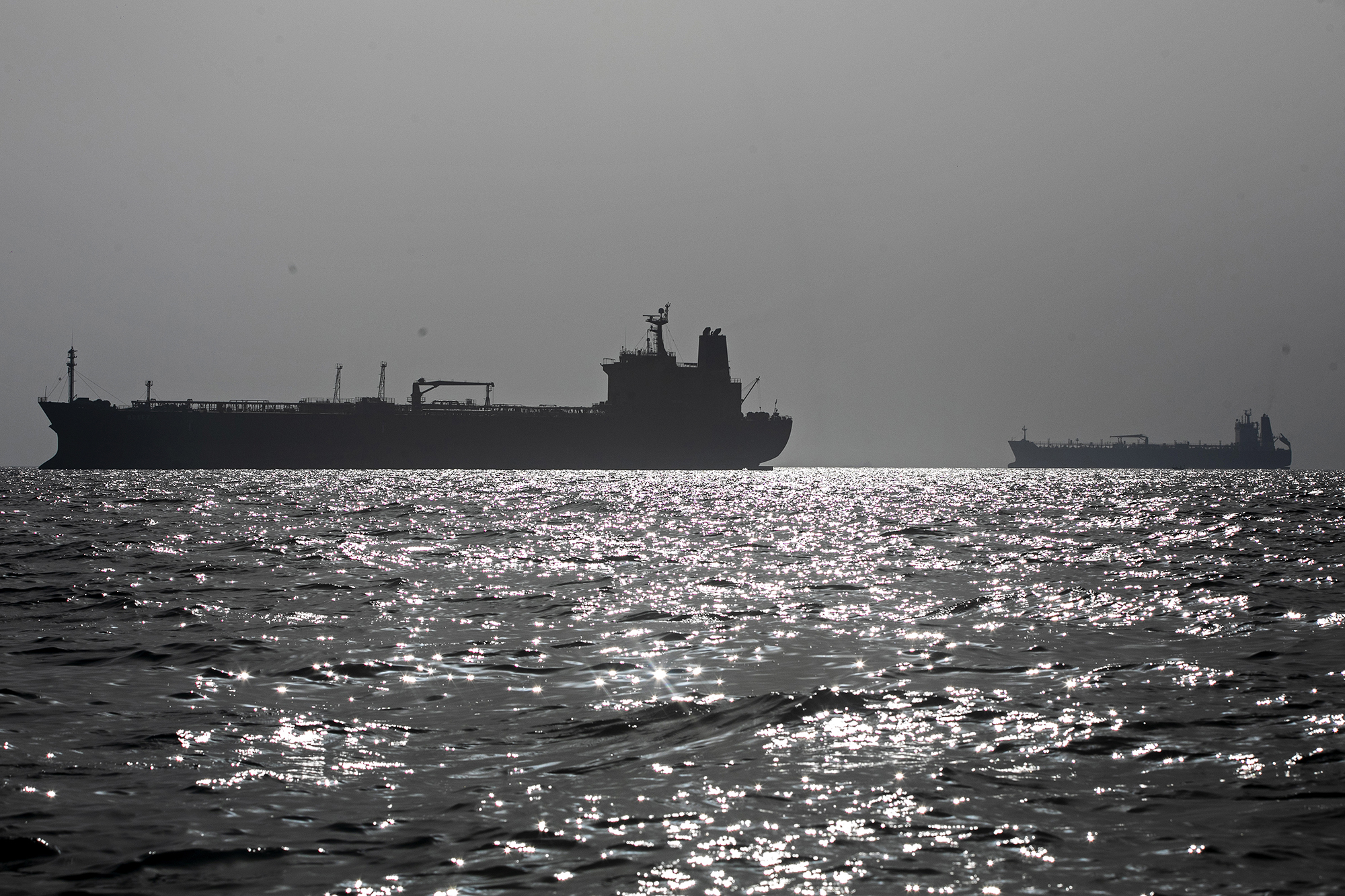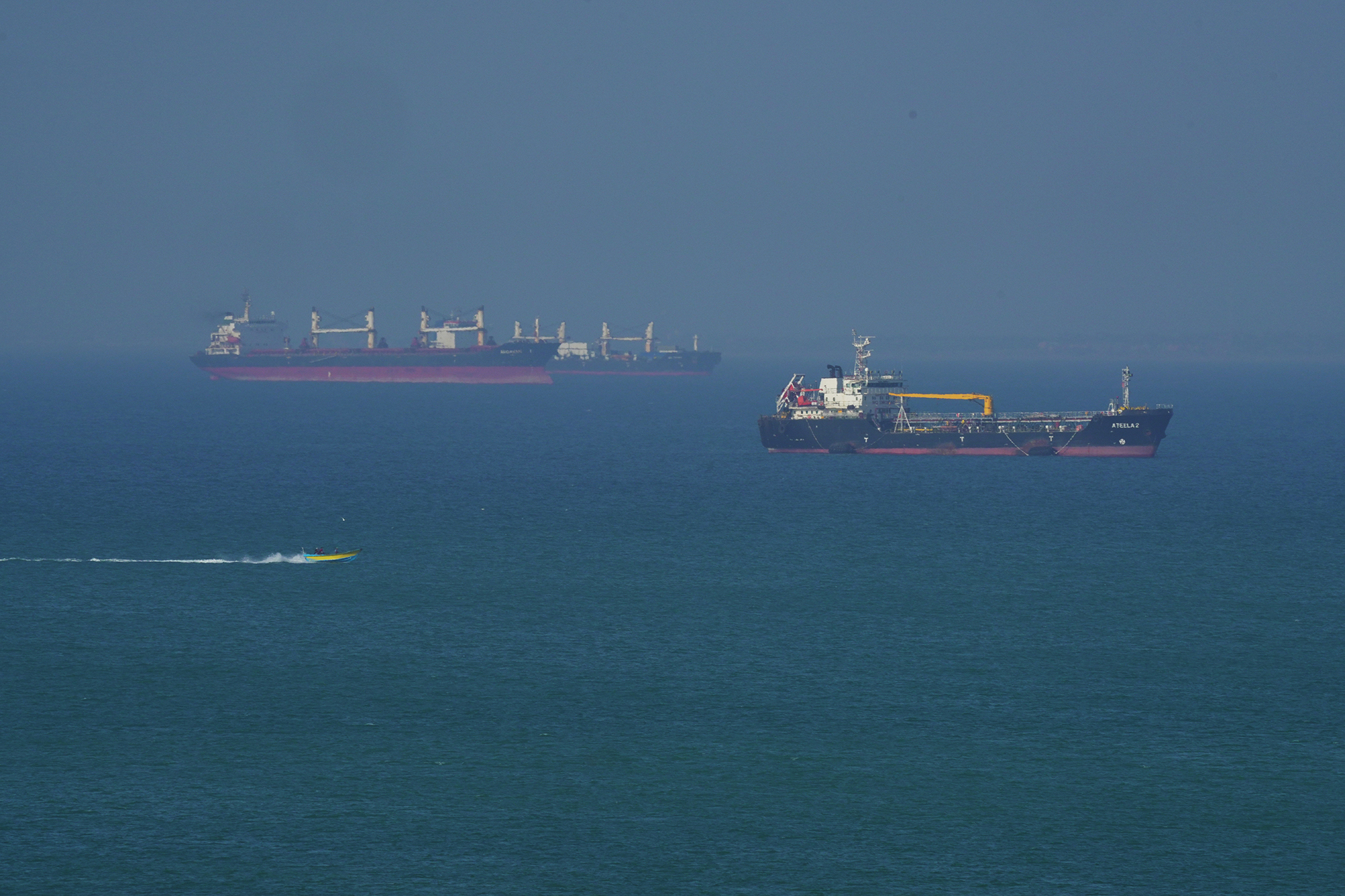
It’s happening. Right there, in the churning waters of the Strait of Hormuz, a vital artery of global trade, Iran is quietly rewriting the rules of engagement. Not with gunboats, but with code. Specifically, Bitcoin. The semi-official Fars news agency dropped the bombshell: Iran has launched “Hormuz Safe,” a Bitcoin-backed insurance service for shipping companies braving the treacherous, strategically crucial waterway.
This isn’t just a tweak to the system; it’s a fundamental platform shift, injecting a decentralized, volatile currency into a high-stakes geopolitical game. Think of it like this: normally, insurance premiums are paid in dollars, a stable, predictable currency. But Iran, hammered by sanctions and looking for use, is essentially saying, “We’ll take Bitcoin.” It’s akin to a medieval toll bridge suddenly demanding payment in rare spices instead of gold. The government’s stated ambition? A cool $10 billion in revenue. How? That part remains as murky as the Strait on a foggy morning, but the intention is crystal clear: find new revenue streams, assert control.
Iran has effectively been in control of the Strait since late February, ever since airstrikes kicked off. The Islamic Revolutionary Guard Corps (IRGC) and the government have been moving to formalize this control, eyeing tolls, fees, and now, insurance. This “Hormuz Safe” is pitched as a lifeline for “Iranian shipping companies and cargo owners.” But the real story here is Iran’s increasingly sophisticated embrace of cryptocurrencies to circumvent crippling US sanctions. Since President Trump started tightening the screws, the use of Bitcoin and Tether has, shall we say, blossomed. It’s a digital workaround, a ghost in the financial machine.
The Fars report, citing a screenshot of the (likely inaccessible outside Iran) hormuzsafe.ir website, states that policies will be “cryptographically verifiable” and payments settled in Bitcoin. The coverage starts the moment a shipment is confirmed, with a signed receipt issued. It’s a slick promise, a digital handshake on a high-risk journey.
A World on Edge, a Strait Under Pressure
The backdrop to this crypto-insurance gambit is, predictably, fraught. The US and Iran are locked in a tense, uneasy ceasefire. Resolving the deadlock over the Strait of Hormuz isn’t just important; it’s critical for any semblance of a formal peace deal. And Donald Trump? He’s out there on Truth Social, lobbing fresh threats, telling Tehran to “better get moving, FAST, or there won’t be anything left of them.” The stalemate is so deep, so entrenched, that last month, the US military reported over 1,500 commercial vessels trapped in the Persian Gulf.
Oil producers? They’re running out of storage space, forced to slash output. Iran, meanwhile, has been allowing some vessels through its designated route, often after demanding payments that can reach a staggering $2 million. The US response? Blockades on Iranian ports. It’s a tit-for-tat, a slow-motion naval standoff. The question then becomes: how directly is this Bitcoin insurance tied to the IRGC’s broader control strategy? Fars, being closely affiliated with the Guards, suggests a strong link.
The Bitcoin Wildcard
But here’s the hitch. Bitcoin. Highly volatile. It’s not a stablecoin pegged to the dollar. This volatility, its very essence, has limited its widespread adoption as a payment method. Will foreign ship owners, already navigating a minefield of US sanctions, really trust their cargo’s insurance to a currency that can swing wildly in value from one hour to the next? It feels like trying to build a skyscraper on a trampoline. And the specter of sanctions looms large – stepping into this could be seen as a direct violation.
The idea itself isn’t entirely new, though. Babak Zanjani, an Iranian businessman known for helping the regime evade sanctions (and who, by the way, was released from prison last year after a death sentence commutation), had been floating the concept of an Iranian shipping insurance scheme for the Strait of Hormuz since early May. He was quick to promote Hormuz Safe on his social channels, almost instantaneously after the Fars report surfaced. This same Zanjani was previously arrested for embezzling billions from Iran’s oil ministry. Make of that what you will.
This whole Hormuz Safe announcement lands at a peculiar moment. Just as an Iranian lawmaker, Ebrahim Azizi, head of the parliamentary commission for national security, stated that a professional mechanism to manage traffic along a designated route would be unveiled soon. His message was clear: “only commercial vessels and parties cooperating with Iran will benefit.” Those involved in the “US-Israeli war on Iran” would be, predictably, banned.
Meanwhile, Esmail Baghaei, Iran’s foreign ministry spokesman, let slip that Iranian and Omani officials met last week to discuss “joint efforts to develop a mechanism” for safe passage. It’s a complex web, isn’t it? A blend of geopolitical posturing, economic necessity, and a daring leap into the volatile world of decentralized finance.
My unique insight? This isn’t just about insurance or sanctions. This is Iran planting a flag, claiming a stake in the future of global commerce by leveraging a technology that, by its very nature, is designed to disrupt and decentralize existing power structures. It’s a clever, albeit risky, gambit to become indispensable in a critical chokepoint using the very tools that some seek to suppress it with.
This whole move by Iran feels less like a desperate attempt to get paid and more like a calculated declaration: if you want to use our waterway, you’ll play by our digitally-enabled rules. It’s a fascinating peek into a world where blockchain isn’t just for speculative trading, but a fundamental building block for state-level financial and geopolitical maneuvering.