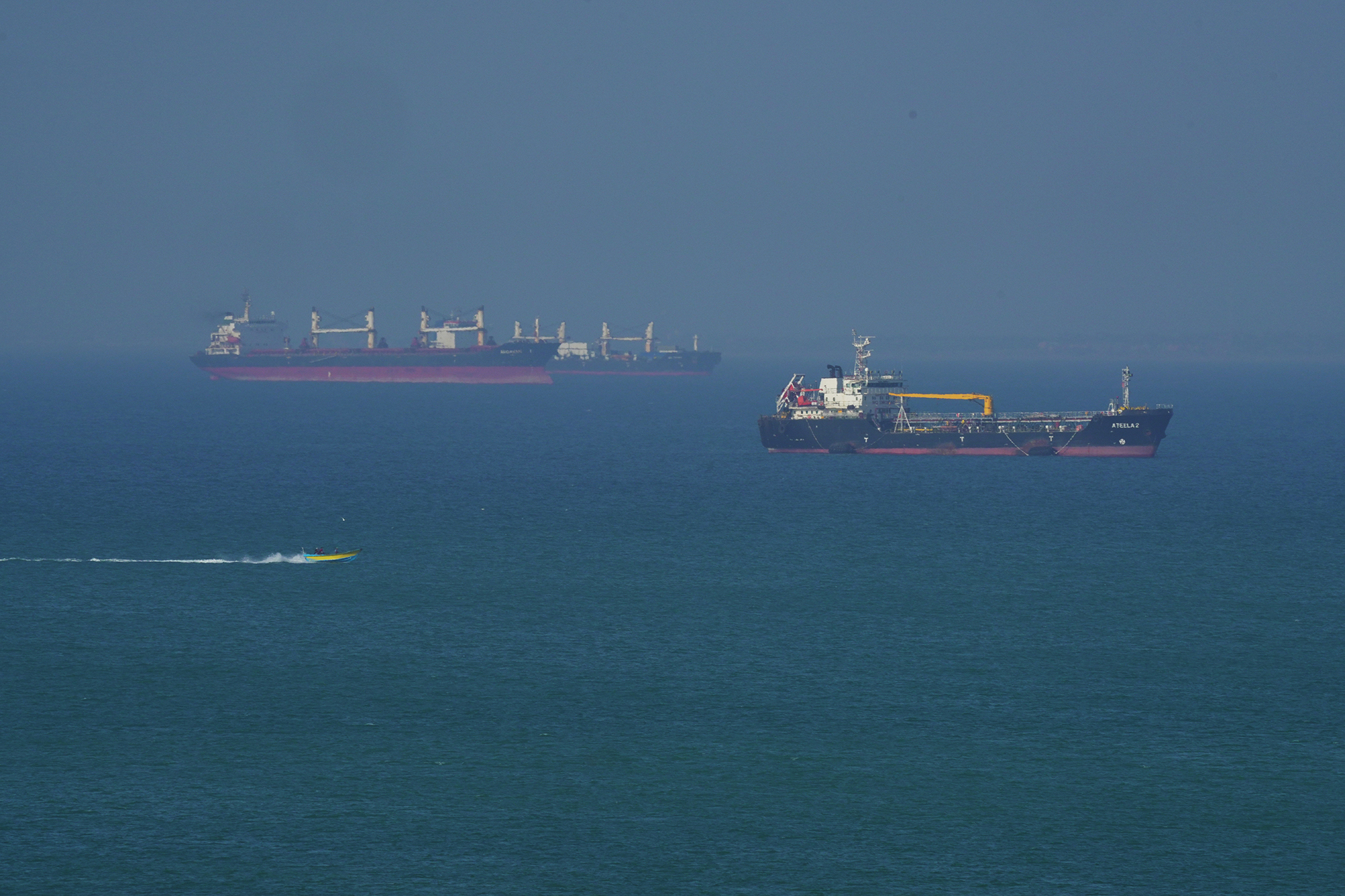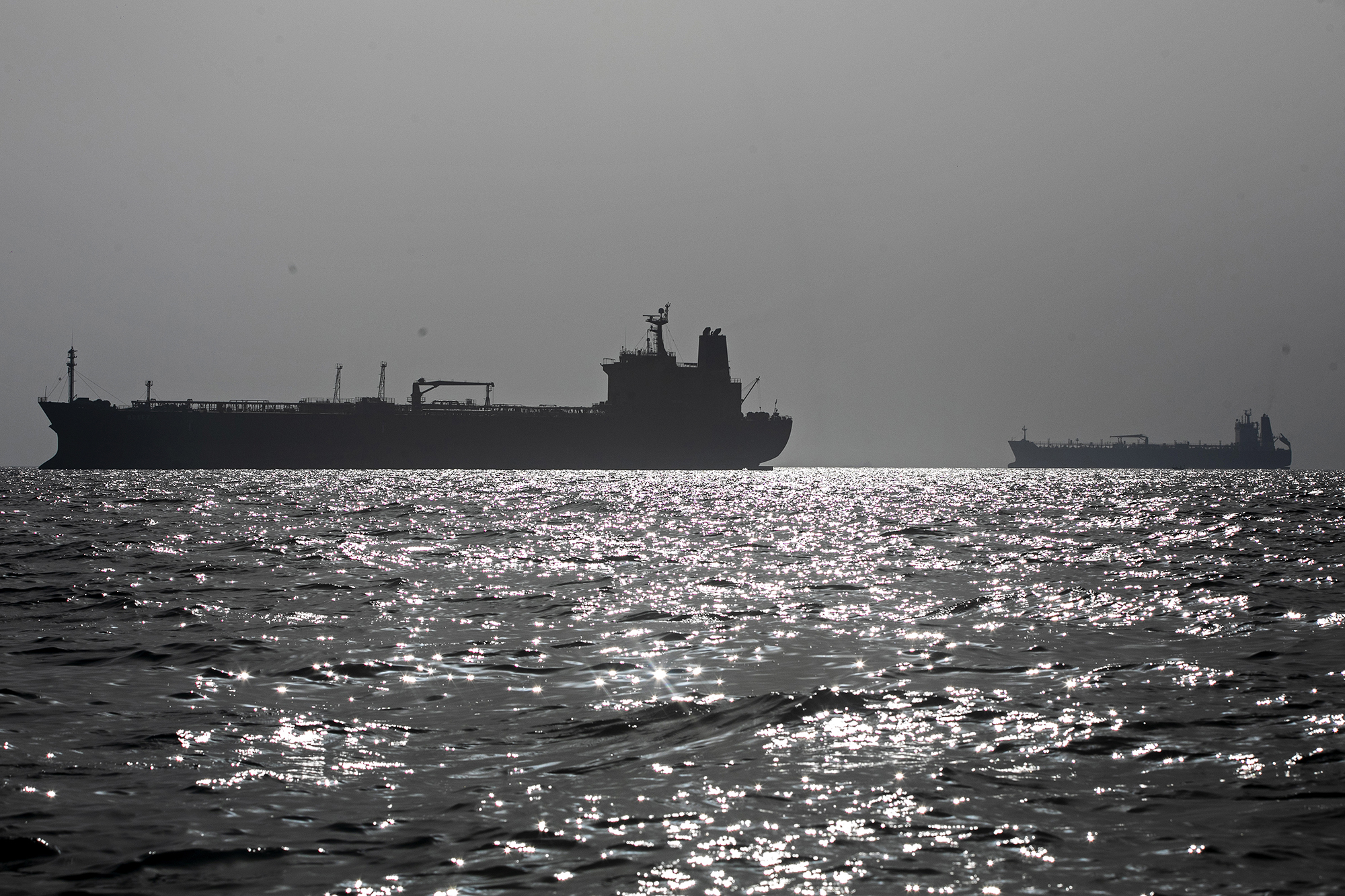
Everyone expected a quiet weekend in the Strait of Hormuz. Instead, Iran threw a curveball. And it landed with a Bitcoin-backed thud. The shipping traffic reports are grim, showing a noticeable dip. Saturday saw about 11 transits; Sunday, just eight. Only a handful of those were even remotely international. A South Korean tanker, empty, and a Saudi LPG carrier. Everything else? Iran.
Now, Iran claims it’s turning this crisis into an opportunity with something called Hormuz Safe. A Bitcoin-backed insurance program. They’re projecting over $10 billion in revenue. Ten billion. From Bitcoin insurance. The whole thing sounds like something out of a speculative fiction novel, which, given the geopolitical climate, isn’t entirely surprising. But the details are sketchier than a toddler’s drawing. The actual structure? The risk coverage? Crickets.
Is Iran’s Crypto Insurance a Real Solution?
This isn’t just some quirky fintech experiment. This is Iran, a nation under heavy sanctions, trying to navigate some of the world’s most critical shipping lanes. They’re effectively saying, ‘We’ll take your Bitcoin, and in return, good luck.’ It’s a high-wire act. And the tightrope is made of volatile cryptocurrency.
Look, the US has been busy. They’ve diverted 81 commercial ships since imposing their own blockade. That’s 81 ships that aren’t supposed to be there. Meanwhile, nearly 23 tankers are lurking around Iran’s main oil export hub. It’s the largest concentration since the US Navy decided to play maritime police.
And here’s the kicker: the signals are a mess. Automatic Identification System (AIS) interference is rampant. It’s like trying to navigate rush hour with your GPS on the fritz. Independent verification? Increasingly difficult. The transit counts might get revised. Upward. Because ships that appear and disappear like ghosts aren’t exactly easy to track.
Why Does This Matter for Shipping?
Iran-linked vessels have always had a tendency to ‘go dark,’ especially near Hormuz. It’s their way of dodging scrutiny. Signals are often only restored days later, well past the Strait of Malacca. So, this new insurance scheme? It doesn’t magically make the strait safer. It just adds another layer of opaque transactions to an already murky situation. We’re talking about vessels potentially switching off their transponders while under Iran’s supposed insurance umbrella. Brilliant.
The US, ever the diplomat, has apparently proposed a temporary waiver on oil sanctions. A potential peace offering. Or a tactical pause. The US hasn’t confirmed it. They rarely do, until they absolutely have to. It’s all part of the complex dance of international relations, where a Bitcoin insurance policy might just be another pawn.
This whole situation reminds me of early dot-com boom madness. People throwing money at anything with a .com attached, regardless of the business model. Iran is essentially leveraging a global crisis by offering a novel, albeit risky, financial instrument. It’s a gamble. And the house, in this case, is a geopolitical minefield.
What Iran is doing is essentially trying to create its own digital dollar, backed by a commodity (oil) and secured by a volatile digital asset (Bitcoin). It’s a fascinating, and frankly terrifying, experiment in state-sponsored cryptocurrency adoption under duress. Forget El Salvador; this is the real test case for Bitcoin as a tool of sovereign finance, albeit one born out of desperation and geopolitical pressure.
“While Tehran projects the initiative will generate over $10 billion in revenue, the actual structure and risk coverage of the policy remain unclear.”
That quote. It’s everything. Unclear structure. Unclear risk coverage. That’s not insurance. That’s a prayer disguised as a financial product. And in the Strait of Hormuz, prayers don’t always have a happy ending.
🧬 Related Insights
- Read more: JPMorgan’s Crypto Reality Check: $11 Billion Q1 Flows Are a Screaming Signal Nobody Wants to Hear
- Read more: Ethereum Foundation’s Staking Play: Big Money, Bigger Questions
Frequently Asked Questions
What is Hormuz Safe? Hormuz Safe is a proposed Bitcoin-backed insurance program for ships navigating the Strait of Hormuz, launched by Iran to potentially generate significant revenue and circumvent sanctions. Its operational details and risk coverage remain unclear.
Has the US confirmed a sanctions waiver proposal? No, the US has not confirmed reports of a proposed temporary waiver on sanctions targeting Iran’s oil exports. Such proposals are often part of broader diplomatic negotiations and are not publicly acknowledged until concrete agreements are reached.
Is shipping traffic significantly down in Hormuz? Yes, shipping traffic saw a notable decrease over the weekend, with daily transits falling from around 11 to eight, and further to just three on Monday morning, with most of these being Iran-linked vessels. This dip is compounded by difficulties in tracking due to signal interference.