Is Bitcoin truly uncorrelated, or just another asset susceptible to the whims of global macro and conflict?
That’s the inconvenient question investors are grappling with as Bitcoin’s price imploded below the $77,000 mark. Forget the moonshot narratives for a moment; here’s the raw market data. The asset, often touted as a digital gold hedge against traditional financial system woes, is currently getting hammered by the very forces it’s supposed to transcend. We’re talking renewed inflation fears and, surprisingly, geopolitical instability courtesy of rising tensions involving Iran. This isn’t just a blip; it’s a stark reminder that even the most novel assets don’t operate in a vacuum.
The Inflationary Spectre Returns
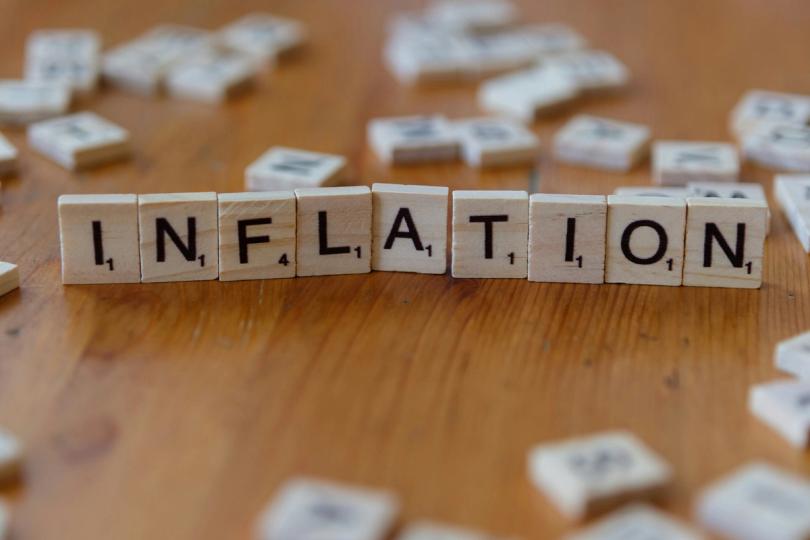
It’s almost a ritual at this point: inflation fears surface, and the market collectively braces for the Federal Reserve’s inevitable response. Investors are spooked by the specter of persistently high oil prices. Why? Because soaring energy costs are a direct pipeline to broader consumer price increases. And when inflation starts dancing again, guess who’s the first to get the axe? Interest rates. Analysts are flagging this scenario with increasing urgency: the Fed might be forced to raise rates, or at least delay any anticipated cuts, to stamp out this resurgent inflationary pressure.
This creates a brutal double whammy for risk assets like Bitcoin. Higher interest rates make borrowing more expensive, reducing capital available for speculative investments. Furthermore, they boost the attractiveness of safer, yield-bearing assets, pulling money out of things like crypto and stocks. It’s a classic capital rotation play, and right now, the tide is going out for digital currencies.
Geopolitics: An Unwelcome Bedfellow
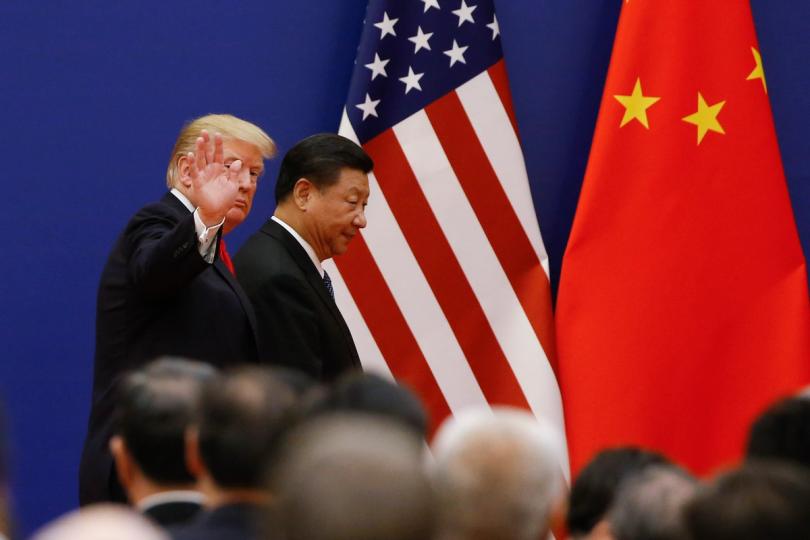
And then there’s the Trump-related headline – the former president’s rhetoric regarding Iran, seemingly tied to commodity markets. While the exact causal link might be complex and debated in the war rooms of hedge funds, the market interpretation is clear: increased geopolitical tension often correlates with commodity price spikes, particularly oil. This, in turn, feeds directly back into those inflation concerns we just discussed. It’s a feedback loop, and Bitcoin is caught in its tightening grip. The irony isn’t lost on many observers that an asset born out of a desire for financial sovereignty is now seemingly tethered to a former U.S. president’s foreign policy pronouncements impacting crude oil futures.
This isn’t the first time geopolitical events have rippled through crypto markets, but the current confluence is particularly potent. It underscores a critical strategic vulnerability: as Bitcoin matures and attracts more institutional capital, it inherits the sensitivities of traditional markets. The narrative of pure, isolated digital innovation is beginning to fray under the weight of real-world economic and political pressures.
Is This a Buying Opportunity or a Warning?
For the true believers, this might look like textbook market shakeout. A cleansing of the weak hands, if you will. The argument will be made that the underlying technology and long-term adoption trends remain intact. They’ll point to previous cycles where significant drawdowns were followed by even larger rallies. It’s a familiar refrain, and historically, it hasn’t always been wrong.
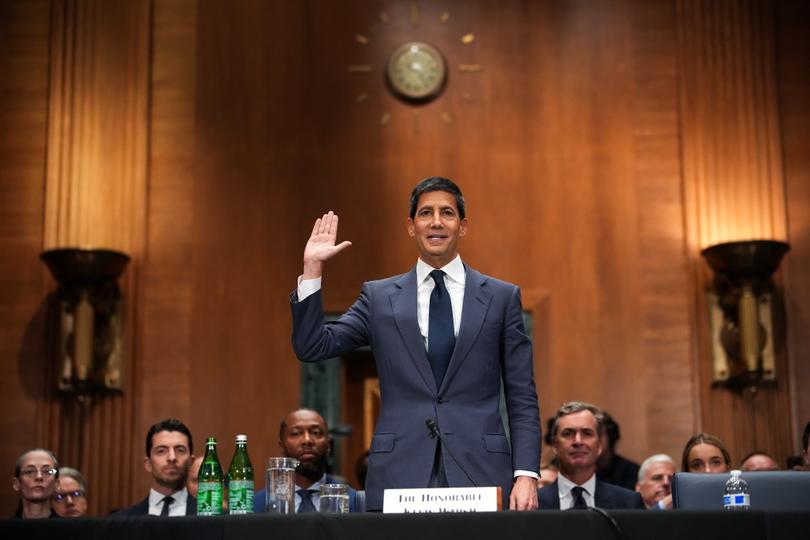
However, the data at hand demands a more sober assessment. The Federal Reserve’s dual mandate—price stability and maximum employment—means inflation is enemy number one. If the data keeps pointing upwards, the Fed will act, and rate cuts are the first thing to go. Add to this the unpredictable nature of international relations, and you have a cocktail of uncertainty that’s toxic for risk assets. It feels less like a temporary dip and more like a systemic repricing of risk. The days of Bitcoin cheerfully ignoring broad economic headwinds might be drawing to a close. We’re seeing the emergence of a more mature, and perhaps more fragile, digital asset class.
Investors are concerned that high oil prices could fuel inflation to the point where the Fed may raise interest rates, analysts say.
This statement, simple as it is, encapsulates the core dilemma. The market is pricing in a scenario where the Fed abandons its dovish stance, a move that would send significant shockwaves through not just Bitcoin but a swathe of financial instruments. It’s a scenario that screams caution, not bullish exuberance. The market’s reaction right now is a pragmatic, data-driven response to a potentially altered macroeconomic landscape. The question isn’t whether Bitcoin can go up again; it’s whether its previous ascent was predicated on conditions that are now fundamentally shifting.
🧬 Related Insights
- Read more: Rain Now a Principal Member of Mastercard
- Read more: AI Searches Files, Man Finds Bitcoin