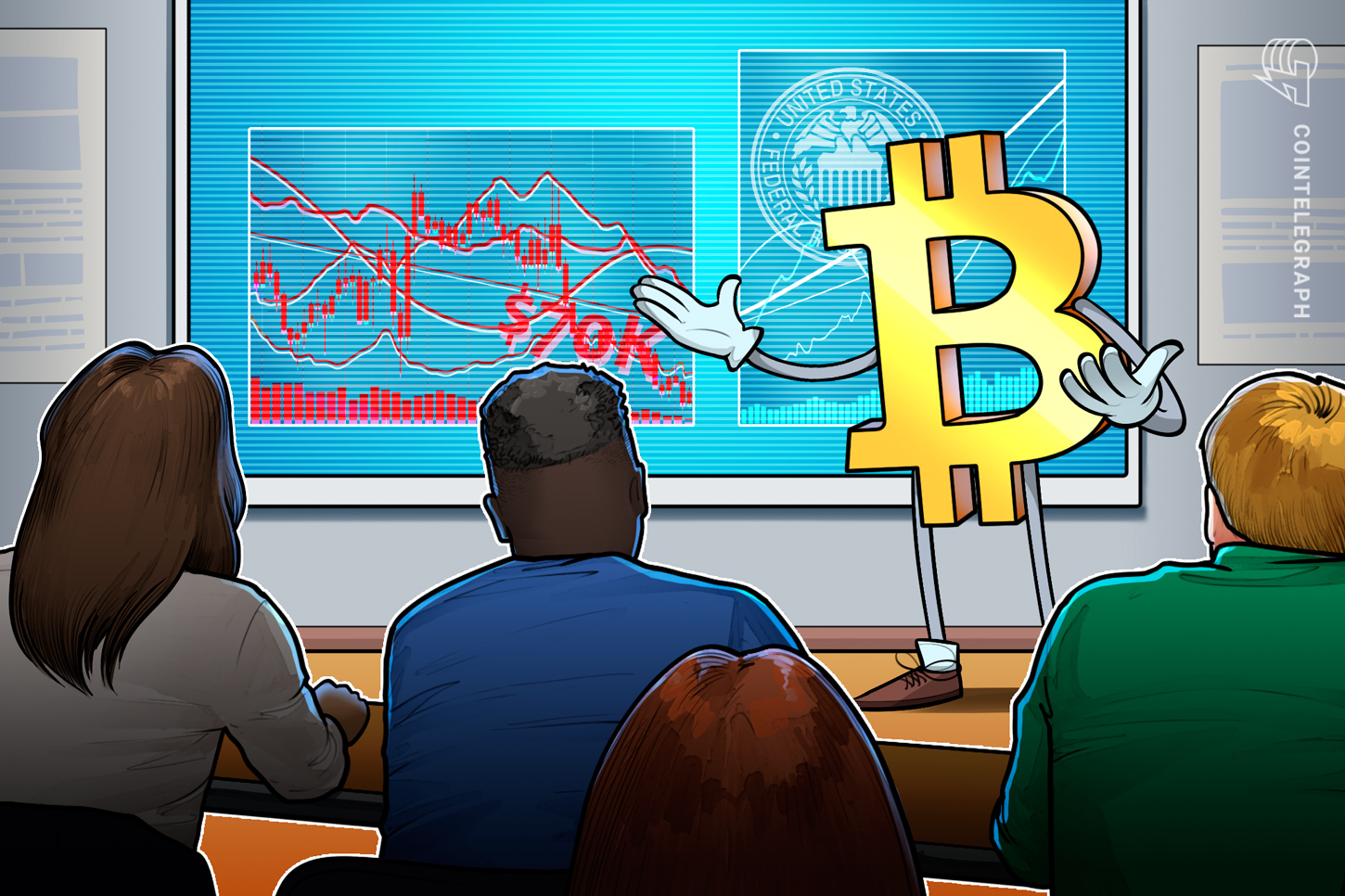
The market puked. And who can blame it? April’s inflation print wasn’t just ugly; it was a full-on horror show.
Core CPI, the Fed’s supposed favorite metric that conveniently ignores the gas prices we all see, jumped 0.4%. Double March’s pace. Economists whiffed, expecting 0.3%. Year-over-year, we’re talking 2.8% – a nasty climb from 2.6%.
Then there’s headline CPI. It clocked in at 3.8%. Fastest since last May. Energy costs, apparently, are still a thing.
This isn’t just a minor blip. Market participants, those perpetually confused souls, are now frantically repricing the Federal Reserve’s path. Weeks ago, we were whispering about rate cuts in 2026. Now? CME FedWatch shows a better than 35% chance of one, or more, hikes this year. Yes, you read that right. Hikes.
No wonder the Nasdaq decided to take a nap, down a solid 1.3%. The rest of the stock market wasn’t faring much better. But Bitcoin. Oh, Bitcoin.
Bitcoin’s Curious Calm
While the equity markets were busy hyperventilating, Bitcoin was chilling. Trading around $80,500, it’s basically flat over the past 24 hours. Ether and XRP? They’re down about 2.5%. A notable dip, sure, but not the cliff dive seen elsewhere.
It’s a bizarre divergence. Usually, when macro conditions turn sour and risk assets get hammered, crypto follows suit. But here we are, with an inflation print that screams “the Fed is going to keep money tight for longer,” and Bitcoin’s acting like it just found a winning lottery ticket.
Is this a sign of maturity for the digital asset? Or just a temporary disconnect before reality bites? The history of Bitcoin suggests the latter. It’s still a volatile beast, and this inflation data is exactly the kind of fuel that can ignite broader market sell-offs, dragging everything down with it.
This isn’t the first time Bitcoin has seemed impervious to traditional market shocks. But as the Federal Reserve’s policy trajectory shifts from ‘dovish’ to potentially ‘hawkish’ again, the narrative that Bitcoin is a pure inflation hedge or a guaranteed safe haven is looking increasingly shaky. It’s certainly an asset with its own set of drivers, but it’s not entirely immune to the gravitational pull of global monetary policy.
The Inflationary Question Marks
What does this mean for the broader economic outlook? It means the disinflationary trend we thought we were seeing has hit a serious roadblock. This isn’t just about energy prices bouncing back; it’s about underlying consumer prices showing persistent strength. That forces the Fed into a difficult corner: either let inflation run hotter than they’d like, or risk choking off economic growth with further rate hikes.
For crypto investors, the hope is that Bitcoin’s established scarcity (21 million coin limit) and its growing institutional adoption will make it a resilient asset. But resilience in the face of rising interest rates and a potentially slowing economy is a tall order. We’ve seen this play out before – when liquidity dries up, even the most hyped assets can feel the squeeze.
FAQs
Will this inflation data cause Bitcoin to drop?
While Bitcoin has shown surprising resilience, the persistently high inflation data increases the possibility of further Fed rate hikes. Higher interest rates generally make riskier assets, including Bitcoin, less attractive, so a future drop remains a significant risk.
What is core CPI?
Core Consumer Price Index (CPI) is a measure of inflation that excludes volatile food and energy prices. It’s often viewed as a better indicator of underlying inflation trends by central bankers.
Why are stocks falling on this inflation news?
Stocks typically fall when inflation is higher than expected because it signals that the Federal Reserve might keep interest rates higher for longer to combat rising prices. Higher interest rates can slow economic growth and make borrowing more expensive for companies, thus reducing their profitability and stock valuations.