So, what does this mean for the average person clutching their digital coins, hoping for that Lambo fantasy to materialize? It means the party might be over, at least for now. That shiny Bitcoin you bought, expecting it to fund your early retirement, could be heading south. Forget moonshots; start bracing for a potential crash landing. This isn’t about complex economic theory; it’s about your portfolio taking a hit.
The Federal Reserve, in its infinite wisdom and usually after the fact, is sniffing out hotter inflation. The Cleveland Fed’s crystal ball—their “nowcast”—is spitting out numbers suggesting April’s Consumer Price Index will hit 3.56% year over year. That’s a step up from March’s 3.3%. And while they’re muttering about core inflation staying somewhat stable, the headline number is re-accelerating. For anyone invested in riskier assets like Bitcoin, this is the equivalent of a flashing red siren. Higher inflation means the Fed isn’t suddenly going to start slashing interest rates to make borrowing cheaper and asset prices soar. Nope. It means they’ll likely keep rates higher for longer, sucking the speculative oxygen out of markets.
Is the Bull Run Officially Dead?
You might recall Bitcoin doing its own thing after the last couple of inflation reports, even rallying 15% after March’s CPI showed a jump. Why? Institutions. Big players were gobbling up newly minted Bitcoin like it was free pizza. Strategy, a major player, was reportedly buying over 500% of new supply. But here’s the kicker: that gravy train appears to be halting. Strategy has put the brakes on its BTC purchases, and its own stock (STRC) is trading below its par value. When a company’s stock is underwater, raising cash for more Bitcoin becomes an exercise in futility. Less institutional demand equals less support for the price. It’s basic supply and demand, people, not rocket science.
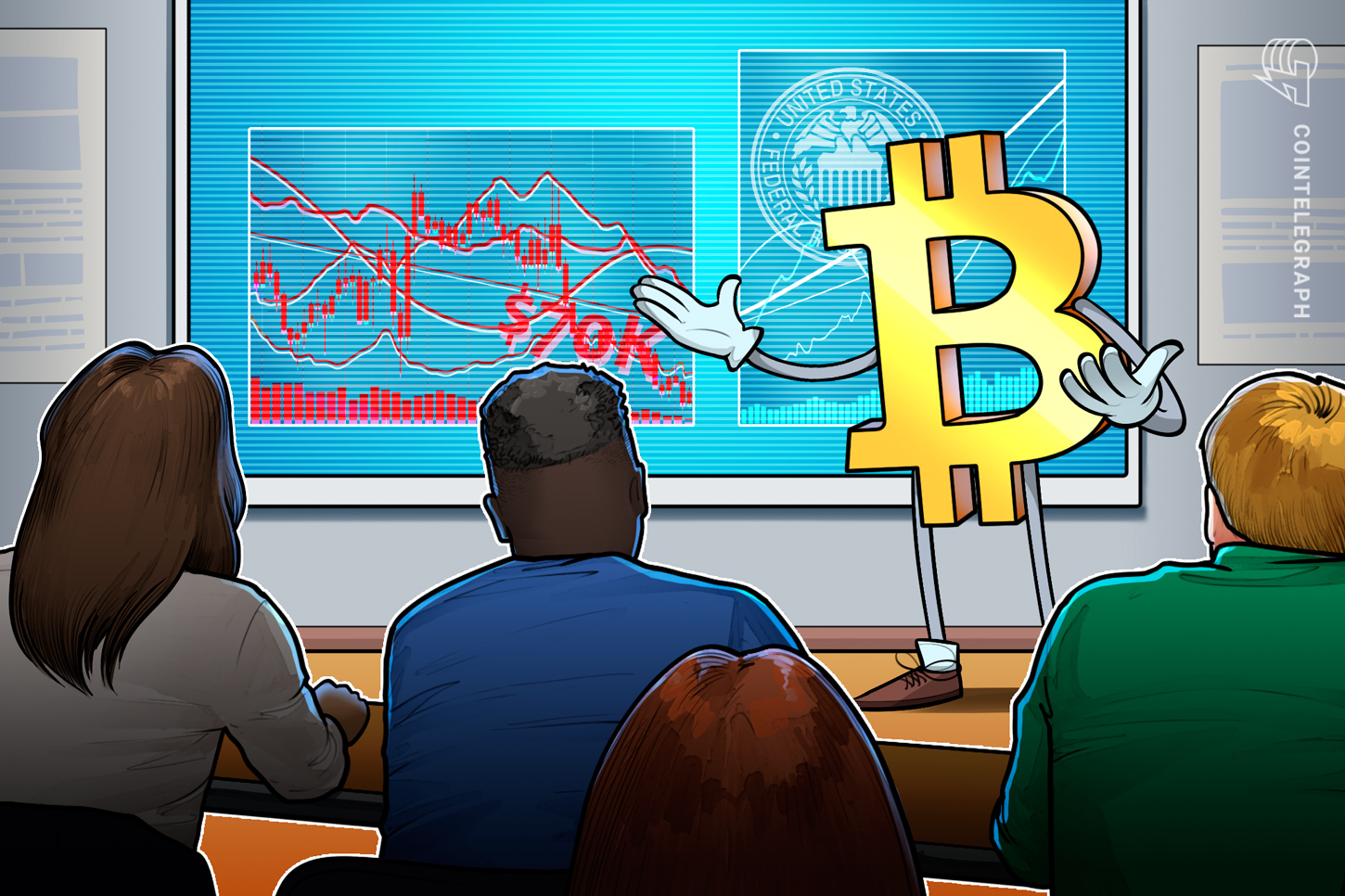
And then there’s the chart pattern. Bitcoin is currently sketching out a “rising wedge” on its daily charts. This isn’t some obscure technical indicator for crypto bros only. A rising wedge is a classic bearish signal. It’s like watching someone draw a triangle that points downwards – eventually, the price is supposed to fall out of it. The wedge’s apex is nearing $84,000. A break below the lower trendline could easily send Bitcoin plummeting towards a measured target of $70,000. That’s not a typo. $70,000.
“Key level to hold is the 78.6K weekly open, if lost, 74–75K is the next downside target,” said analyst Killa. “I would watch for liquidity sweeps around this pivot to signal the next move.”
This isn’t just random speculation; it’s technical analysis backed by the idea that larger players might actually start de-risking their portfolios before the inflation news drops, not after. A pattern observed in 2025, apparently.
Why the Fed’s Inflation Guess Matters So Much
Look, the Fed doesn’t actually control Bitcoin. But it controls the money. And when the money gets expensive (higher interest rates), people tend to stop gambling on assets like Bitcoin and start looking for safer havens. The hope for rate cuts—the fuel for many speculative rallies—is directly tied to inflation cooling down. If inflation starts ticking up again, those rate-cut hopes get deferred, and the speculative fervor dies down. This latest inflation estimate from the Cleveland Fed is a cold shower on those optimistic rate-cut dreams.
The implications are stark. For Bitcoin, it means less speculative buying pressure. For investors, it means re-evaluating risk. The narrative has shifted from “Fed pivot is coming” to “Fed might have to stay hawkish.” This is a fundamentally different environment for risk assets. The institutional support that propped up prices during previous inflation scares seems to be weakening. This time, Bitcoin might be more vulnerable to its own technical weaknesses and the broader macroeconomic winds.
There’s a chance—a slim one, mind you—that Bitcoin could break above the $84,000 apex of that bearish wedge. If that happens, the 200-day exponential moving average might offer some resistance, but the upside could push prices into the $90,000–$95,000 range. But let’s be honest, that’s the unicorn scenario. The more probable outcome, given the confluence of bearish technicals and a souring inflation outlook, is a descent. A swift, painful descent.
What’s Next for Crypto Investors?
The short answer? Caution. The days of blindly buying dips might be numbered. This isn’t the time for FOMO (Fear Of Missing Out). It’s the time for FUD (Fear, Uncertainty, and Doubt) – and frankly, it’s warranted. Keep an eye on that $70,000 level. If it breaks, the sell-off could get ugly, potentially retesting levels far lower than anyone wants to contemplate. The exuberance of early 2024 seems like a distant memory already, replaced by the grim reality of economic headwinds.
🧬 Related Insights
- Read more: Coinbase’s Federal Charter: How Crypto Finally Cracked the Banking Establishment
- Read more: Coinbase’s Federal Trust Charter: A Custody Win That Doesn’t Solve the Real Problem
Frequently Asked Questions
What does the Cleveland Fed’s inflation estimate mean for Bitcoin? It suggests that inflation may be re-accelerating, which could lead the Federal Reserve to keep interest rates higher for longer. This typically reduces the appetite for speculative investments like Bitcoin.
Is Bitcoin’s ‘rising wedge’ pattern a guaranteed prediction of a price drop? No, it’s not guaranteed. Technical analysis patterns indicate probabilities, not certainties. However, it’s a widely recognized bearish signal, suggesting a higher likelihood of a price decline.
Will institutional buying continue to support Bitcoin prices? Institutional buying has been a key driver, but it’s not constant. As demonstrated by Strategy pausing purchases, institutional support can wane, especially when a firm’s financial health or market conditions change.