Forget the narrative of a smooth disinflationary path the Federal Reserve was supposedly charting. The consensus expected a gentle cooling; instead, they got a blast furnace.
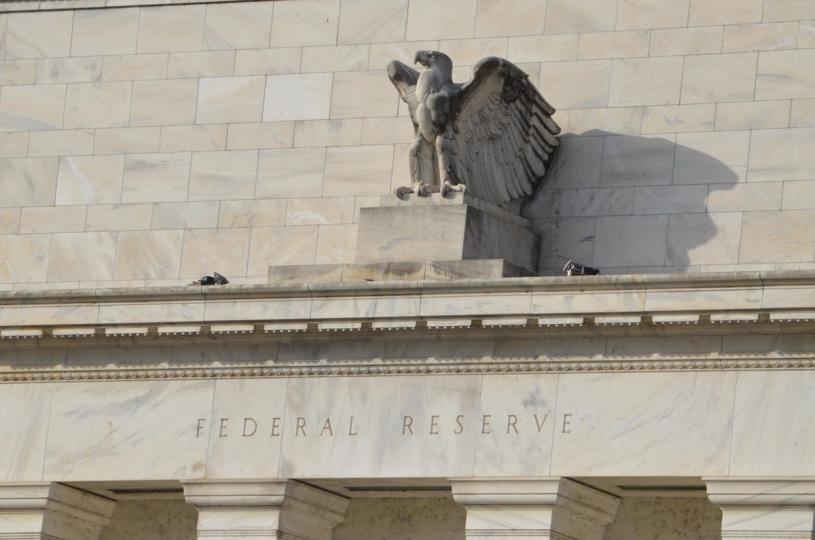
Wednesday’s U.S. producer price inflation data for April landed like a lead balloon, not just for the Fed but for anyone watching the markets, especially Bitcoin.
Here’s the thing: the Producer Price Index (PPI) for April rose a stunning 1.4% month-over-month. That’s nearly triple the 0.5% economists had penciled in. Annually, producer inflation didn’t just nudge up; it accelerated sharply to 6%. Even the “core” PPI, stripping out volatile food and energy, printed a concerning 1% monthly gain and a 5.2% annual figure. Both blew past forecasts.
This wasn’t just a blip. It followed Tuesday’s Consumer Price Index (CPI) report, which already showed inflation reaccelerating to a 3.8% annual clip, the hottest reading in nearly three years. The economic picture is starting to look less like a soft landing and more like a precarious balancing act over a rising inflationary pit.
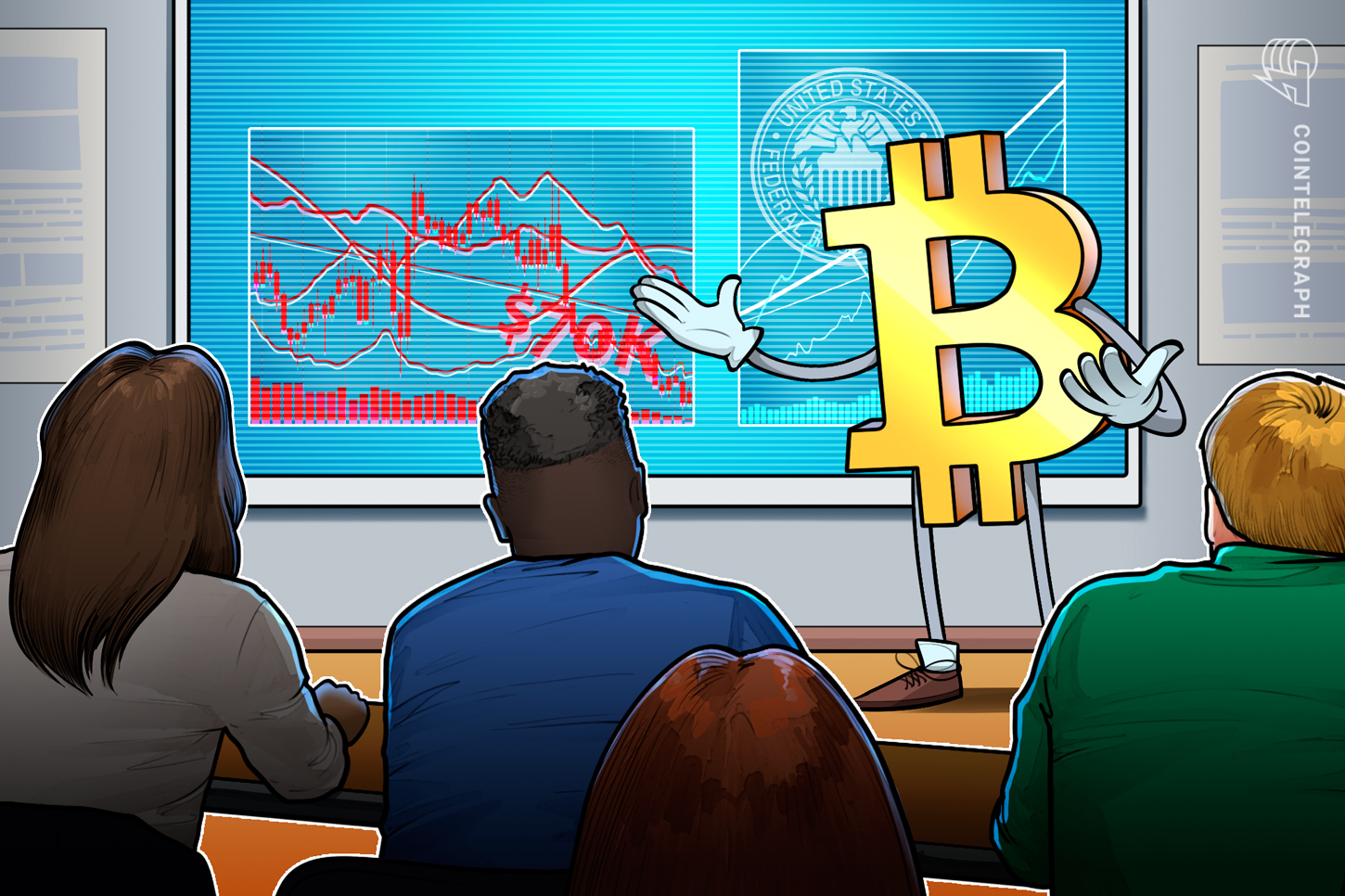
And the markets? They reacted. Bitcoin, which had been flirting with the $81,000 mark overnight, took a nosedive, slipping decisively below the psychologically significant $80,000 level within minutes of the PPI release. It’s since clawed back a bit, but the message is clear: this inflation surprise has teeth.
The Fed’s Tightrope Walk Just Got Tighter
The implications for monetary policy are… complicated, to say the least. Policymakers at the Federal Reserve are now faced with a tougher calculus. For months, the chatter has been about when the Fed would begin cutting rates, a prospect that has fueled asset price rallies. This data injects a heavy dose of skepticism into that timeline. The specter of rising energy prices, exacerbated by geopolitical tensions like the ongoing Iran conflict and supply chain jitters around the Strait of Hormuz, suggests that inflation might not be as transient as some had hoped. Higher oil prices are a notorious accelerant.
This hotter-than-expected PPI report revives the uncomfortable question: could the Fed actually be considering additional tightening instead of cuts? President Trump has been a vocal advocate for lower rates, but the economic data now provides a counter-argument, however unwelcome it might be to the White House. It’s a delicate dance.
What’s particularly unnerving is the timing. Reports suggest Kevin Warsh is poised to take the helm of the central bank. His tenure will be defined by how he navigates this dichotomy: the risks of slowing growth versus the persistent, and now apparently resurgent, inflationary pressures. This PPI print isn’t just a data point; it’s a direct challenge to whatever smooth transition narrative might have been forming.
Why Does Bitcoin Care So Much About Producer Prices?
Bitcoin, the poster child for speculative assets in this era of abundant liquidity, has a peculiar sensitivity to inflation and interest rate expectations. When inflation fears rise, and central banks are perceived to be behind the curve, there’s a narrative that cryptocurrencies like Bitcoin can act as a hedge against currency debasement. Conversely, when inflation cools and rate cuts seem imminent, the appeal of holding non-yielding assets like Bitcoin can diminish as investors pivot to riskier, growth-oriented equities or simply chase higher yields in traditional fixed income.
The recent PPI surge does two things: it directly signals higher input costs for businesses, which can eventually translate into higher consumer prices, and it forces a re-evaluation of the Fed’s policy path. A Fed that can’t cut rates, or worse, has to consider hiking, is a less accommodating environment for risk assets. This is precisely why Bitcoin saw such an immediate, sharp reaction.
It’s easy to dismiss this as a short-term market flutter, but the architectural shift here is profound. We’ve moved from a period where central banks were laser-focused on combating post-pandemic inflation with aggressive rate hikes, to one where the narrative was shifting towards easing. This PPI report slams the brakes on that optimistic view. It suggests the fight against inflation might be far from over, and the tools available to the Fed are becoming increasingly constrained by a complex web of global events and domestic economic realities. For Bitcoin, and indeed for all financial markets, this means a return to a more uncertain, volatile playing field. The era of easy money is showing signs of staying away for longer than anticipated.
The April Producer Price Index rose 1.4% month-over-month, nearly triple economists’ expectations for a 0.5% increase. Annual producer inflation accelerated to 6%.
This isn’t the first time Bitcoin has reacted to macroeconomic data, but the intensity of the move below $80,000 underscores its growing entanglement with traditional finance’s inflation anxieties. It’s no longer just a digital curiosity; it’s a significant player in the global macro chessboard, susceptible to the same pressures that move stocks and bonds.
🧬 Related Insights
- Read more: Exodus Pay Unlocks Bitcoin Spending from Your Wallet – No Middlemen, Just Magic
- Read more: Operation Atlantic: Cops and Crypto Bros Freeze $12M – Wake-Up Call or PR Stunt?
Frequently Asked Questions
What does producer price inflation mean for Bitcoin?
When producer price inflation surges, it signals that the cost of producing goods is increasing. This can eventually lead to higher consumer prices and may prompt central banks to maintain higher interest rates for longer, or even consider further tightening. For Bitcoin, a less dovish central bank environment typically reduces its appeal as an inflation hedge and can lead to price declines as investors move away from riskier assets.
Will the Fed raise rates because of this data?
While the hotter-than-expected PPI data certainly increases the pressure on the Fed to reconsider its easing path, it’s unlikely to trigger an immediate rate hike on its own. The Fed looks at a wide range of economic indicators. However, it does make future rate cuts less probable in the short term and could contribute to ongoing hawkish sentiment from Fed officials.
Is Bitcoin’s price drop a long-term signal?
This particular price drop is a direct reaction to a significant inflation surprise and its implications for Fed policy. Whether it’s a long-term signal depends on whether inflation continues to trend higher and if the Fed maintains a hawkish stance. If inflation proves persistent, it could indeed signal a more challenging period for Bitcoin and other risk assets.