Here’s the thing: your portfolio is probably bleeding. That shiny new crypto investment you were so proud of? Yeah, it’s probably looking a bit sad right now. Bitcoin just decided to take a nosedive, ditching the $80,000 mark it clung to for dear life. And Solana? It’s practically doing the limbo, dropping a painful 5%. This isn’t just a market wobble; it’s a full-on market correction driven by two things that make investors sweat: soaring inflation and the looming specter of international conflict. The fantasy of easy money and risk-on sentiment has evaporated, leaving behind a very real, very red chart.
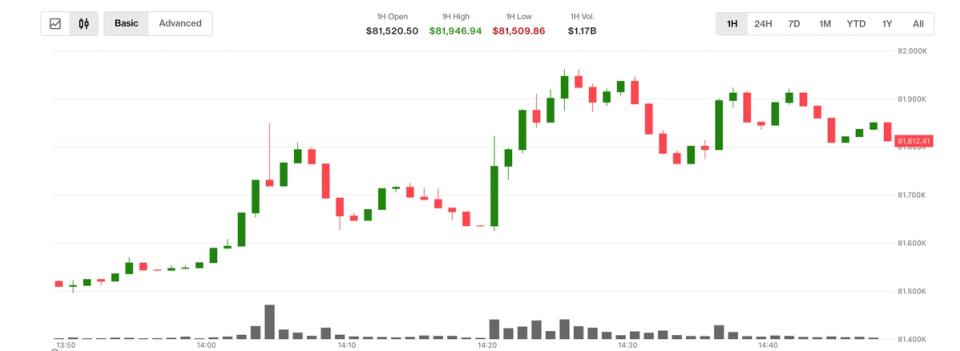
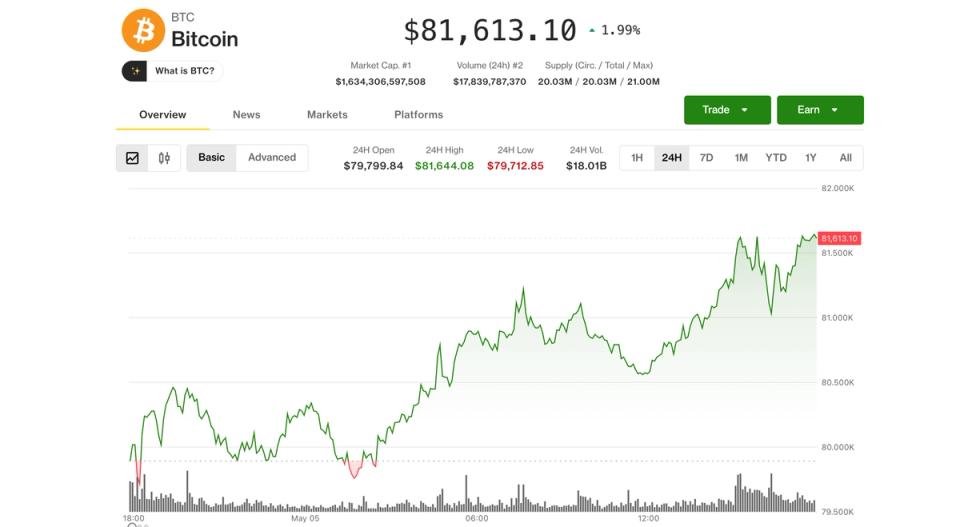
Bitcoin shed its $80,000 floor, skidding to around $79,200. It’s a classic case of risk assets getting hammered when the geopolitical weather turns foul and economic forecasts turn grim. Two consecutive inflation reports — the producer price index hitting a 6% year-over-year clip and the consumer price index earlier in the week at a blistering 3.8% — have put the Federal Reserve in a bind. No rate cuts on the horizon, which removes a major prop from under speculative assets like crypto. It’s like trying to build a house on quicksand.
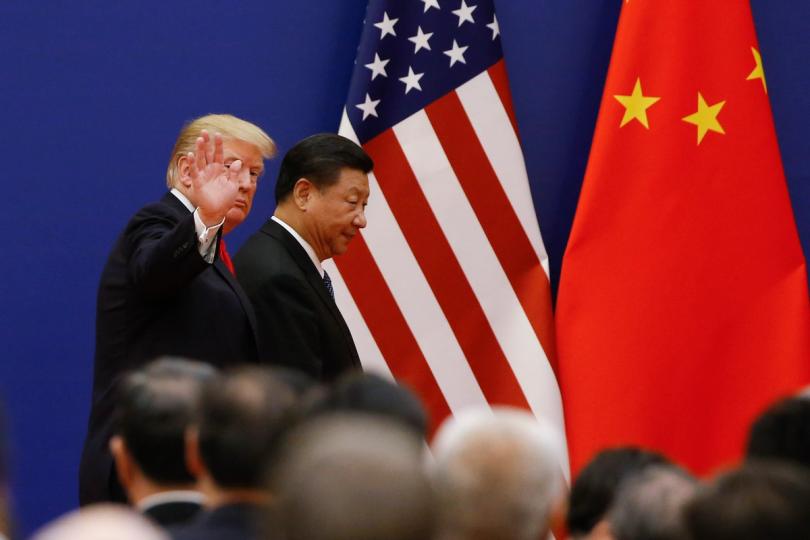
And then there’s China. President Xi Jinping, in a cozy chat with Donald Trump, decided to throw some cold water on U.S.-China relations, warning of potential conflict over Taiwan. This isn’t just political theater; it’s the kind of geopolitical risk that sends investors scrambling for the exits. When the world’s largest economies start talking about “collisions” and “clashes,” nobody’s thinking about buying more Dogecoin. That little pup, by the way, is the only major crypto managing a sliver of green, proving that sometimes the dumbest bets pay off when everything else is going south.
Solana (SOL), which had been the darling of the altcoin world, took a particularly nasty hit. A 5.6% drop isn’t just a correction; it’s a rout, wiping out most of its recent gains. Ether, the second-biggest crypto by market cap, is down 2.1%, and BNB and XRP aren’t faring much better. The crypto market, as usual, is a finely tuned barometer of global anxiety, and right now, it’s screaming “panic.”
The real kicker? While crypto tanks, AI-linked tech stocks are still chugging along. Cisco’s shares shot up 20% after a rosy sales outlook. This divergence is telling. Investors are still chasing the AI narrative, a story that promises future growth irrespective of immediate economic headwinds. It’s a flight to perceived safety, or at least to a tangible technological revolution, as opposed to the speculative froth that’s now deflating.
So, what’s next for Bitcoin? Traders are eyeing $78,000 as the next significant support level. Fall below that, and we might be looking at a full-blown capitulation event, reminiscent of late April. Hold above it, and there’s a slim chance for buyers to regroup. But frankly, with inflation still sticky and geopolitical tensions ratcheting up, the odds aren’t exactly in favor of a quick recovery. The days of easy gains are over, at least for now.
Is This the End of the Crypto Bull Run?
That’s the million-dollar question, isn’t it? While this pullback is sharp, it’s not necessarily the death knell for the entire bull market. Crypto is notoriously volatile. We’ve seen sharp drops before, followed by even sharper recoveries. The underlying sentiment is bearish in the short term, but the long-term narrative for digital assets, especially Bitcoin, remains intact for many. The key will be how inflation data evolves and whether geopolitical tensions de-escalate. If both improve, we might see a resurgence. If not, expect more pain. For now, it’s a gut-check.
Why Does Geopolitics Matter for Bitcoin?
Geopolitics matters because it directly impacts global economic stability and investor sentiment. When major global powers like the U.S. and China are at odds, it creates uncertainty. Uncertainty makes investors nervous. Nervous investors sell riskier assets first. Bitcoin, despite its growing adoption, is still largely considered a risk asset. Xi’s warning to Trump about Taiwan adds a layer of potential instability that can’t be ignored. It directly affects market confidence, leading to sell-offs across global markets, including cryptocurrencies. It’s a reminder that digital assets, while decentralized, don’t exist in a vacuum; they’re deeply intertwined with the real world’s economic and political machinations.
The Trump-Xi Summit’s Shadow
The timing of this summit, coupled with the inflation data, couldn’t be worse for risk assets. Xi’s direct warning to Trump on Taiwan, a particularly sensitive issue, injected a significant dose of geopolitical risk into the global financial system. China’s official readout of Xi’s remarks, released prematurely, amplified the market’s unease. This is more than just a diplomatic spat; it’s a potential flashpoint that rattles investors and forces a reassessment of risk premiums across asset classes.
Xi pressed Trump on Taiwan in their first meeting at the Great Hall of the People, warning of a potential “collision or even clashes” if the issue is mishandled.
This quote is the smoking gun of the day’s market moves. It’s a direct statement of intent, or at least a serious warning, that has ripple effects far beyond the walls of the Great Hall of the People. It’s the kind of statement that makes traders question their positions and re-evaluate their risk exposure.
Inflation: The Silent Killer of Crypto Dreams
The inflation numbers are no joke. Hotter-than-expected CPI and PPI prints aren’t just blips; they’re signals that the inflation genie might not be fully back in the bottle. For cryptocurrencies, which have benefited from a narrative of potential Fed easing, this is a death blow to short-term optimism. It means higher interest rates for longer, making safer, yield-bearing assets more attractive than speculative digital currencies. The AI tech stock resilience is a stark contrast, highlighting a bifurcated market where investors favor tangible innovation over volatile speculation.
🧬 Related Insights
- Read more: Why Bitcoin Mining Giants Are Dumping Coins—and What It Means for Crypto’s Future
- Read more: Bitcoin Blasts Past $69K on Fading Iran War Fears—But Don’t Get Too Cozy
Frequently Asked Questions
What does the Taiwan warning mean for markets?
It means increased uncertainty and risk aversion. Investors tend to pull back from speculative assets and seek safer havens when geopolitical tensions rise, leading to sell-offs in markets like crypto and equities.
Will Bitcoin recover to $80,000 soon?
It’s uncertain. While Bitcoin has a history of sharp recoveries, the current combination of persistent inflation and heightened geopolitical risk presents significant headwinds. A sustained recovery would likely require positive shifts in both inflation data and international relations.
Is Solana a good investment right now?
Given Solana’s sharp drop and the broader market downturn driven by macro factors, it’s a high-risk proposition. Investors should approach such volatile assets with extreme caution, especially during periods of market uncertainty and negative sentiment.