Everyone thought we’d see more of the same: geopolitical tensions simmering, oil prices inching up, and crypto acting like a jittery shadow. The narrative was set: volatility was the only constant. Then, BAM! A seemingly minor report about progress on a U.S.–Iran memorandum of understanding dropped, and the entire global financial symphony hit an unexpected, exhilarating crescendo. It’s like the market, usually a ponderous battleship, suddenly decided to become a nimble hydrofoil.
This isn’t just about one asset reacting to news; it’s a fundamental platform shift in how we understand risk and reward. The interconnectedness, once a source of predictable correlation, is now a wild, unpredictable web. We’re seeing a seismic re-evaluation of what constitutes a ‘safe haven’ and what’s merely a commodity reacting to the whims of diplomacy.
The Oil Shockwave
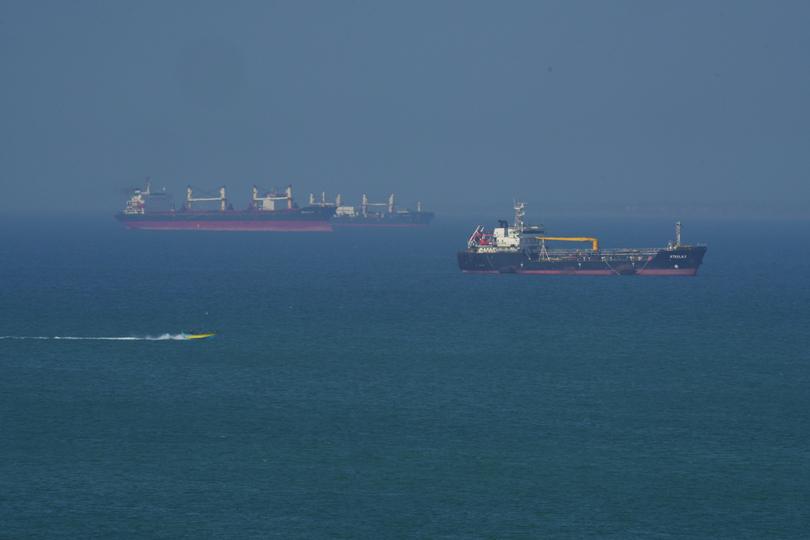
Oil prices, the perennial barometer of global stability (or lack thereof), just took a six percent nosedive. Imagine an enormous, oil-slicked tanker suddenly changing course on a dime. That’s what happened to WTI crude futures, plummeting to $95.28 a barrel. Why the panic sell-off? Hopes that a deal could untangle the knot of the Strait of Hormuz, a vital artery for global energy flows. This isn’t just about a few barrels; it’s about the perception of accessibility and the fear of disruption. When that fear recedes, so does the price.
The report raised hopes for the normalization of oil flows through the Strait of Hormuz, which has reportedly been mined by Iranian forces.
This is the kind of seismic event that ripples through everything. Suddenly, the energy markets, which have been dictating so much of the inflation narrative, are singing a different tune. And who’s picking up the melody?
Bitcoin’s Bold Ascent
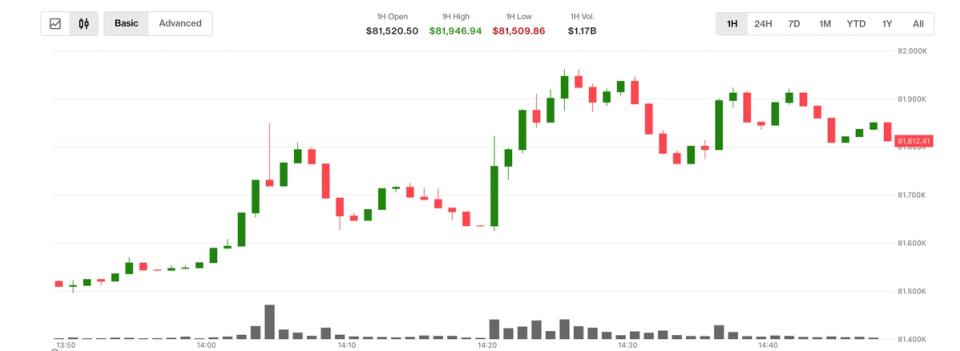
And then there’s Bitcoin. While oil was crashing, the digital gold was soaring, climbing past $82,000. It wasn’t just a modest uptick; it was a powerful surge, mirroring the rise in Nasdaq futures. This isn’t the Bitcoin of old, a speculative fringe player. It’s acting like a genuine risk-on asset, a digital proxy for optimism. It’s as if the entire digital asset class just got a shot of pure, unadulterated future-fuel.
This rapid ascent alongside traditional risk assets like tech stocks signals a maturing market perception. Investors are increasingly looking at Bitcoin not as an alternative to fiat, but as a new kind of asset that thrives on global shifts and the promise of decentralized stability. We’re witnessing the birth of a new financial ecosystem, one where digital currencies are not an afterthought, but a central pillar.
Skepticism and the Long Game
Of course, it wouldn’t be a true market moment without a healthy dose of skepticism. Not everyone’s convinced this peace deal is a done deal. “I’m a bit skeptical on the final point about Iran ceding ground on the nuclear front,” noted ForexLive’s currency analyst Justin Low. This is the eternal dance of the markets: hope versus reality, aspiration versus entrenched policy. The prospect of de-escalation is powerful, but the actualization of lasting peace — and its economic dividends — is a marathon, not a sprint.
It’s this very tension that creates the vibrant, unpredictable pulse of the financial world. We’re in an era where a single report can send shockwaves through established industries, and where digital assets are increasingly leading the charge. The old guard is scrambling to keep up.
The Crypto Crypto-Adjacent Play: Private Companies on the Blockchain?
Beyond the macro-level shifts, there’s a fascinating micro-trend bubbling up that speaks volumes about the direction crypto is heading. Crypto exchanges are now eyeing — and launching — products that offer exposure to the hottest private tech companies. Think OpenAI, SpaceX, Anthropic. This is a bold, almost audacious move, offering synthetic price exposure ahead of potential IPOs. It’s like getting a ticket to a preview screening of the next big Hollywood blockbuster, but in the digital realm.
This push by platforms like OKX, Bitget, and Injective to bring pre-IPO and private equity-style speculation on-chain is genuinely fascinating. They’re democratizing access to speculative plays that were once the exclusive domain of elite venture capitalists. However — and this is a big ‘however’ — these products don’t confer actual shareholder rights. It’s a synthetic bet, a ghost of ownership, yet it’s tapping into a massive wave of interest. This is where we’re heading: a financial landscape where the lines between traditional and digital assets, ownership and exposure, are becoming blurrier by the day. It’s a wild, wild west, but it’s also the future, unfolding before our very eyes.
Bitcoin’s surge to $82,000, coupled with the oil crash, signifies a profound shift in investor sentiment, driven by evolving geopolitical landscapes and the growing maturity of digital assets as a distinct asset class. The market’s reaction is less about specific news events and more about a fundamental recalibration of risk.
The Takeaway: This isn’t just a temporary blip. We’re seeing the early tremors of a complete overhaul in how capital flows and how value is perceived. The integration of digital assets into the broader financial narrative is accelerating, proving that the future of finance is as unpredictable and exhilarating as it is inevitable.
🧬 Related Insights
- Read more: Bitcoin’s Institutional Strength Masks a Deeper Crack: Why Good Friday Could Get Ugly
- Read more: DAO Drains $71M for a “Recovery” That Smells Fishy
Frequently Asked Questions
What is the U.S.-Iran memorandum of understanding? It’s a reported draft agreement aimed at de-escalating tensions and potentially ending conflicts between the U.S. and Iran. Specific details are scarce, but it reportedly involves Iran removing highly enriched uranium from the country.
Why did oil prices crash? Oil prices plummeted because the progress in U.S.-Iran peace talks raised hopes for the normalization of oil flows through the Strait of Hormuz, a key global energy chokepoint. Reduced geopolitical friction typically leads to lower energy prices.
Will Bitcoin continue to rise? Bitcoin’s price movement is influenced by a complex interplay of factors, including market sentiment, macroeconomic trends, regulatory developments, and technological advancements. While recent events have been bullish, future performance is not guaranteed and depends on many variables.