More than 1.1 million Bitcoin, a hoard locked away by Satoshi Nakamoto, might soon find an unlikely protector.
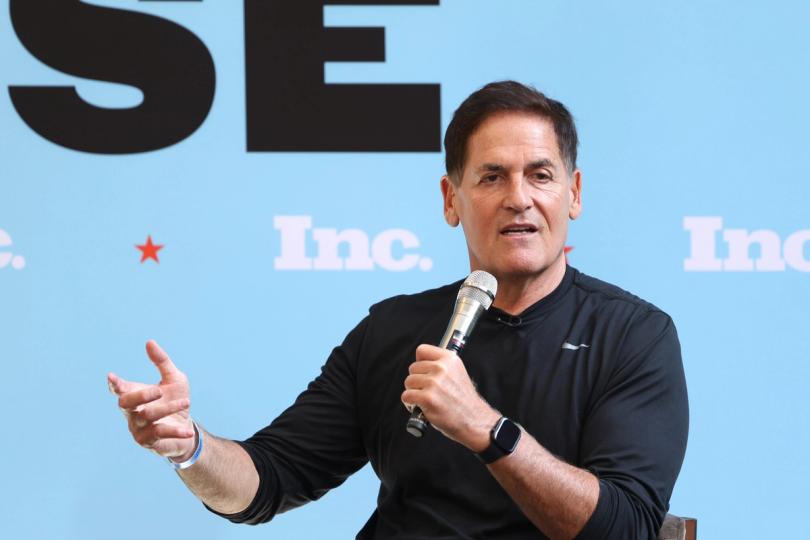
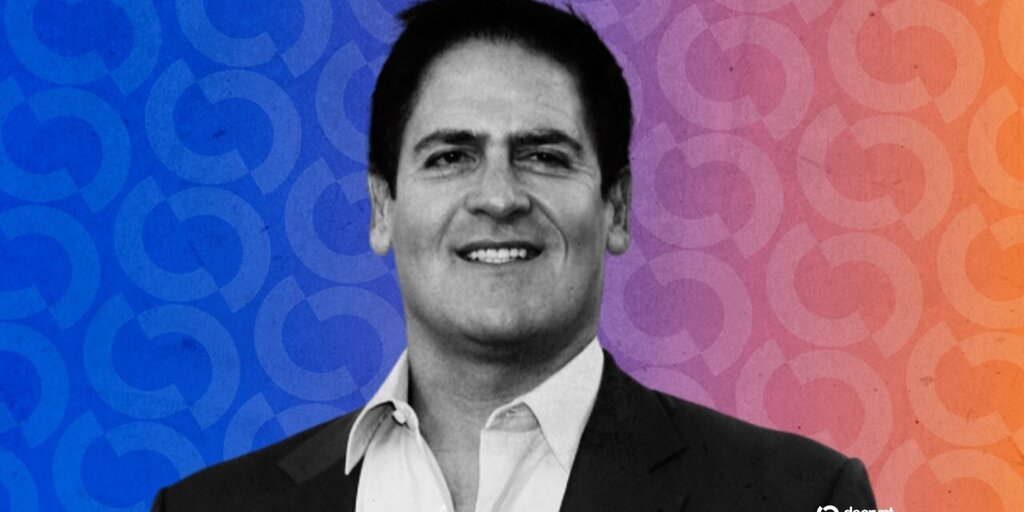
That’s if a novel quantum defense proposal from American Fortress, a company many have likely never heard of, pans out. But before we get lost in cryptographic specifics, let’s confront the elephant in the room. Mark Cuban, the billionaire investor who once waxed poetic about Bitcoin being a superior store of value to gold, has sold most of his Bitcoin. And his reasons for doing so are decidedly unsexy, painting a picture of crypto that’s struggling to live up to its lofty promises.
His breaking point? The recent geopolitical dust-up involving Iran. Gold, the OG safe-haven asset, surged. Bitcoin? It wobbled. Every time the US dollar dipped, a scenario that should have sent “digital gold” soaring, it merely… sat there. “It’s not the hedge I expected it to be,” Cuban admitted. Ouch.
It’s a sentiment that’s been brewing, a slow drip of disappointment rather than a sudden flood. For years, crypto evangelists have pushed the narrative of Bitcoin as a bulwark against inflation, a hedge against instability. Yet, when the actual chips were down, when global nerves frayed, the old reliable gold outperformed.
The ‘Grandma’s Application’ Conundrum
Cuban’s disillusionment doesn’t stop at macro hedging. He’s equally vocal about crypto’s persistent struggle to find a real-world application for the average person—what he calls “an application for grandma.” NFTs, while he stopped short of declaring them DOA, were met with a shrug of disappointment. This echoes a broader sentiment: the speculative fervor has outpaced tangible utility.
“I always thought it was a better version of gold than gold, but gold just blew up and went to $5,000, and Bitcoin dropped. Every time the dollar dropped, Bitcoin should’ve gone up. It’s not the hedge I expected it to be.”
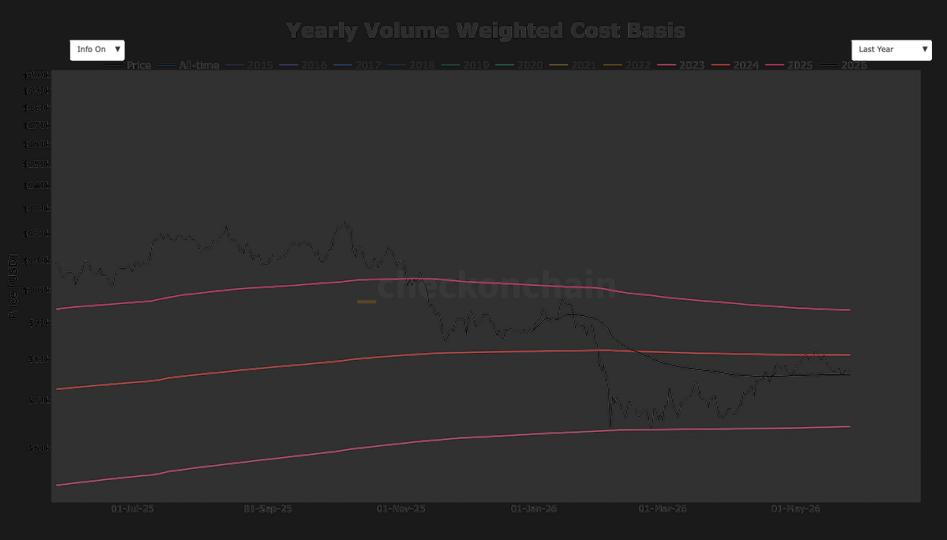
This isn’t just one billionaire’s bad mood. We’re seeing long-term holders, the ones who weathered previous storms, begin to capitulate. The market, it seems, is starting to agree. The trend, at least in the short term, looks more like a descent than a climb back to the moon.
Can Quantum Cryptography Save Satoshi’s Coins?
Now, back to that quantum quandary. The “Satoshi problem,” as it’s being called, is a genuine threat. Bitcoin’s architecture, built on secp256k1 elliptic curve cryptography, is theoretically vulnerable to powerful quantum computers running Shor’s algorithm. This could expose roughly 6.9 million Bitcoins residing in addresses where the public key is already revealed. The real kicker? Around 1.1 million of those are attributed to Satoshi Nakamoto himself. If the keys are lost or the creator is, well, indisposed, those coins are effectively locked away, unmigratable.
American Fortress’s proposed solution is elegantly different from previous attempts. Instead of requiring coin holders to actively migrate to quantum-resistant algorithms or face a network-wide freeze, their soft fork proposal aims to create a “protected dormancy state.” Think of it as a quantum-proof lock placed around vulnerable addresses, all without the owner needing to do anything. It’s a multi-layered approach, employing various post-quantum signature schemes to theoretically thwart quantum attackers.
This proposal is still in its nascent stages of peer review, far from becoming a formal Bitcoin Improvement Proposal (BIP). It runs parallel to other efforts, like Paradigm researcher Dan Robinson’s PACTs proposal, which focuses on timestamping cryptographic proofs of ownership now, enabling future unlocks via quantum-resistant STARK proofs if the network does eventually implement a freeze.
What Does This Mean for the Future of Bitcoin?
The Cuban saga and the quantum defense chatter, while seemingly disparate, highlight a critical juncture for Bitcoin and the broader crypto ecosystem. The asset class is still grappling with its identity. Is it speculative digital art? A hedge against fiat currency? Or a technology waiting for its killer app?
Cuban’s candid assessment suggests that for many, the grand promises of crypto haven’t yet materialized into tangible benefits. The pursuit of utility, the quest for “grandma’s application,