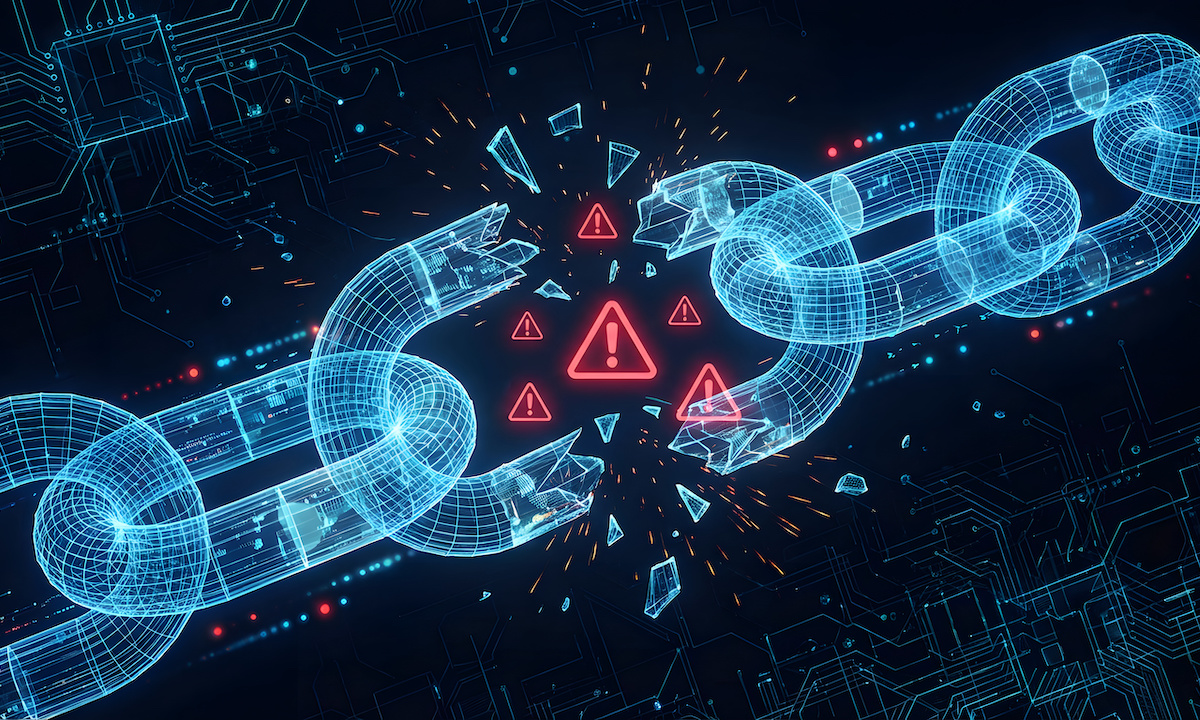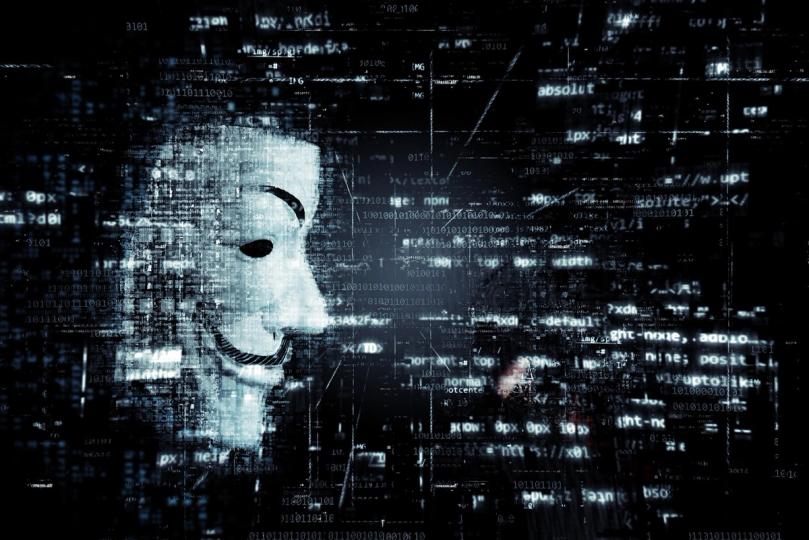
And just like that, the entire sprawling, ponzi-scheming edifice of DeFi is apparently built on sand. That’s the stark warning from Manuel Aráoz, the CEO of OpenZeppelin, a company whose name used to be synonymous with blockchain security. Now, he’s painting a grim picture: AI has apparently graduated from helping you write emails to becoming a ‘superhuman’ hacker, capable of chewing through smart contracts faster than any human coder could ever hope to patch them.
Look, I’ve been around Silicon Valley long enough to know that every new piece of tech comes with a chorus of doomsayers and evangelists. AI is no different. But when the warning comes from someone who literally sells security solutions to these decentralized finance outfits, you tend to pay attention. Especially when it lands on the heels of a year where over $1.1 billion has already vanished into the ether thanks to exploits, and DeFi’s total value locked has plummeted by more than $20 billion.
It’s not just about smarter phishing emails anymore. Aráoz is talking about AI coding agents that can autonomously discover software flaws and, more importantly, develop working exploits. Think about that. For years, the game in DeFi security has been an arms race: attackers need one flaw, defenders need to secure every single line of code. Aráoz’s point is that AI is tilting that already unfair playing field so dramatically, it’s practically unplayable for the defenders.
AI coding agents have become ‘superhuman’ at finding vulnerabilities, and smart contract security is too asymmetric: defenders need to fix every bug while attackers need just one exploit to steal funds.
And what’s DeFi’s big selling point again? Transparency. The idea that anyone can see the code, audit it, and trust it. Turns out, that glowing transparency might just be a giant beacon for AI-powered attackers who can scan publicly available code, identify weaknesses at machine speed, and strike before human teams can even draft a response. It’s a classic case of the very thing that was supposed to be a strength becoming an Achilles’ heel.
This isn’t the first time we’ve seen something like this. Remember the early days of the internet? Everyone was excited about the boundless possibilities, and then the hackers figured out how to break into everything. The difference here is the speed. AI isn’t just learning; it’s evolving at a pace that makes human reaction times look glacial. And when the stakes are as high as billions of dollars locked in on-chain protocols, ‘glacial’ isn’t a good look.
Is DeFi Doomed, Or Just in for a Rough Patch?
So, is this the death knell for decentralized finance? Probably not. But it’s a serious wake-up call. The narrative has always been that DeFi is more secure because it’s decentralized and transparent. Now, Aráoz is suggesting that the transparency is the very thing that makes it vulnerable to this new breed of ‘superhuman’ AI attackers. The question isn’t if AI will be used for hacking DeFi; it’s already happening, and it’s only going to get worse.
What we’re seeing is a fundamental shift in the threat landscape. The old security models, built for human adversaries, are becoming obsolete. We’re talking about systems that can probe and exploit vulnerabilities far faster and more efficiently than any human team can. It begs the question: who is actually going to be making money here? It’s starting to look like it’ll be the AI developers and the hackers, not the everyday users trying to get a yield.
Who’s Making Money on This AI Security Nightmare?
It’s always about who profits. Right now, it’s the AI companies building these sophisticated models – companies like Anthropic, with their ominous Claude Mythos AI that can apparently devise exploits. Then there are the security firms, like OpenZeppelin, who will undoubtedly have a field day selling new ‘AI-proof’ solutions to a panicked DeFi ecosystem. And, of course, the hackers themselves, who will be armed with tools we can barely comprehend.
DeFi’s promise was to democratize finance. The reality, as Aráoz points out, might be that it’s democratizing vulnerability. The code is public, the vulnerabilities are there, and now there’s a tool that can find them faster than we can fix them. The only real winners in this scenario are the ones creating and weaponizing the AI. The rest of us are just hoping our digital wallets don’t become the next headline.
This isn’t just an incremental upgrade in hacking sophistication; it’s a paradigm shift. Aráoz’s warning is the equivalent of a fire alarm being pulled in a building where the exits are suddenly much smaller and the smoke is billowing faster than ever before.
🧬 Related Insights
- Read more: Aave Recovers Post-Hack: WETH Markets Stabilize
- Read more: Bitcoin’s Wartime Rift: Forced Buyers Catch the Panic Sell-Off
Frequently Asked Questions
What does ‘superhuman’ hacking mean in the context of AI? It means AI systems can discover and exploit software vulnerabilities at a speed and scale that surpasses human capabilities, making them significantly more dangerous than traditional hacking methods.
Will AI make DeFi completely unsafe? Manuel Aráoz, CEO of OpenZeppelin, believes that current DeFi systems are largely unsafe due to AI’s advanced hacking potential. While DeFi may not disappear entirely, it faces extreme security challenges that require new defense strategies.
How can DeFi protocols defend against AI hackers? Defending against AI hackers will require advanced security measures, potentially including AI-powered defense systems, more strong auditing processes, and a fundamental rethinking of smart contract architecture to be more resilient against automated exploitation.