Are we finally done with the hand-wringing over the Aave exploit? It appears the WETH markets, those vital arteries of DeFi, are breathing easier. Just last week, the digital ether flowed like a murky swamp, choked with $195 million in bad debt thanks to a North Korean-linked crew with a penchant for Kelp DAO’s restaked ETH and a talent for exploiting LayerZero’s bridge. The fallout was predictably dramatic: Aave’s Total Value Locked (TVL) took a nosedive, shedding over $8 billion. The headline number now sits around $14.8 billion, a far cry from its March peak of $23.5 billion. It’s the kind of stat that makes even the most jaded VC pause, if only for a moment.
The folks who track these things, like Tom Wan at Entropy Advisors, have been busy. He’s noted the exodus of wrapped stETH and wrapped Ether deposits, a natural reaction when millions in unsecured loans are floating around. But here’s the kicker – and where things get a bit more interesting than just ‘hack happened, oops’: there’s now a surplus of unused Ether liquidity. The borrowing rate has plummeted to a mere 1.9% annualized. This, Wan points out, is the kind of environment that lures back the yield hunters, the traders keen on use Ether strategies.
Is This a Green Light for More use?
So, the million-dollar (or rather, $195 million-dollar) question is: will the traders rush back in, eager to exploit these low borrowing costs? Or will this capital, spooked by the bridge vulnerability, decide to park itself on the sidelines or, even more tellingly, seek refuge in competing lending protocols like Spark or Morpho? This isn’t just about Aave getting its house in order; it’s a referendum on the perceived safety of the entire DeFi ecosystem.
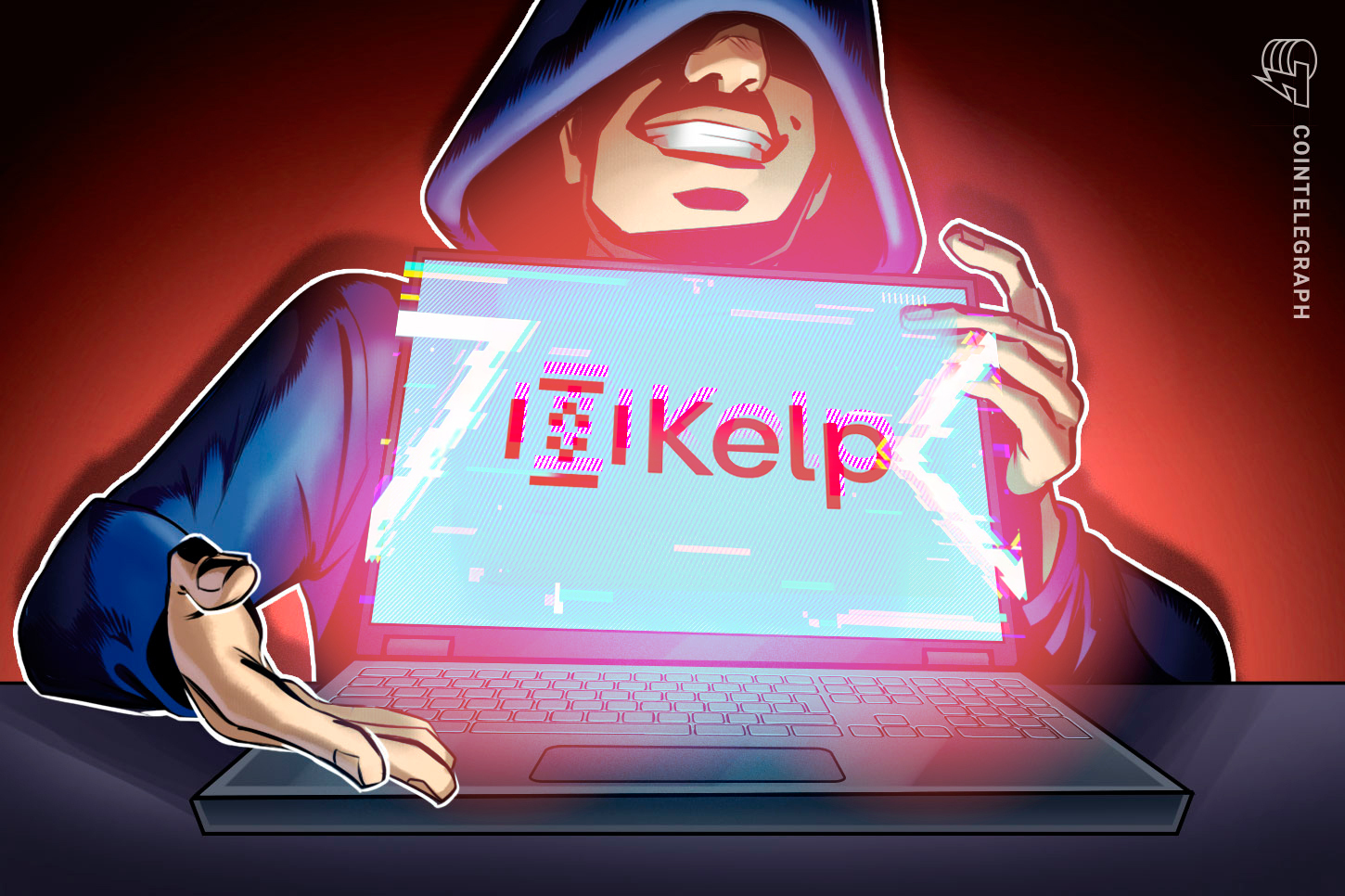
The hackers, presumably long gone with their ill-gotten gains, thought they’d found an easy score. They use Kelp DAO’s rsETH tokens — a seemingly obscure derivative of staked Ether — using Aave’s V3 protocol. The problem wasn’t just the theft itself, but the cascading effect. When a protocol can absorb such a large chunk of bad debt without collapsing entirely, it’s a proof to its underlying design, perhaps. But it also reveals just how easily one weak link—in this case, a cross-chain bridge—can compromise seemingly strong systems.
Kelp DAO, bless their hearts, is now scrambling to consolidate. They’re sunsetting rsETH bridging on certain networks after June 15th, including Optimism and Avalanche. Apparently, recovering your funds after that date will cost you a cool 100 USDC per address. Convenient. They’ve also migrated their restaking token to Chainlink oracles, a move that screams ‘we’re not trusting that LayerZero thing ever again.’ It’s a classic case of closing the barn door after the horse has not only bolted but has likely been sold for parts.
A Historical Echo in the Code
This whole kerfuffle reminds me of the early days of the dot-com bubble. Everyone was throwing money at anything with a “.com” attached, assuming infinite growth. Bridges in DeFi feel a bit like those speculative ventures—hyped, promising, but often lacking the foundational robustness to withstand a serious storm. We’ve seen this cycle before: innovation outpaces security, a few spectacular failures happen, and then the survivors (if any) learn to build a bit more carefully. The question remains: how many more multi-million dollar disasters will it take before the industry truly prioritizes secure infrastructure over the latest, shinest innovation?
“With wstETH/weETH to ETH loops now back to profitable, the question is whether ETH loop demand returns or if the capital stays on the sidelines/flows to Spark/Morpho.”
The drama is far from over, of course. The legal battles over who claims DeFi’s stolen millions are just beginning. And Aave itself had to file an emergency motion to lift a restraining notice on some frozen Ether, a rather bureaucratic footnote to a grand digital heist.
Why Does Bridge Security Matter So Much?
This exploit underscores the inherent risk in cross-chain communication. Bridges are essentially smart contracts that facilitate the transfer of assets between different blockchains. They are complex, and with complexity comes a larger attack surface. When a bridge is compromised, it can lead to the direct loss of user funds or, as seen here, create cascading debt on interconnected DeFi protocols. The convenience of interoperability comes at a steep price if the underlying security isn’t paramount. It’s like building a superhighway but forgetting to install guardrails.
So, while Aave might be back to its regularly scheduled programming, the underlying vulnerability remains. The ease with which nearly $200 million could disappear highlights a systemic risk that’s far from resolved. The market may have stabilized for now, but the foundation feels a little shakier than it did yesterday.