Everyone expected these interoperability protocols to be the bedrock of cross-chain communication. We were sold a vision of smoothly asset transfer, a borderless DeFi future. Then, reality hit. Hard.
Lombard Finance, a firm that’s been quietly amassing over $1 billion in Bitcoin-backed tokens, just pulled the rug on LayerZero. Poof. Gone. Replaced by Chainlink. This isn’t just a minor shuffle; it’s a seismic shift in how serious players are viewing the security of their assets. And frankly, it’s about time.
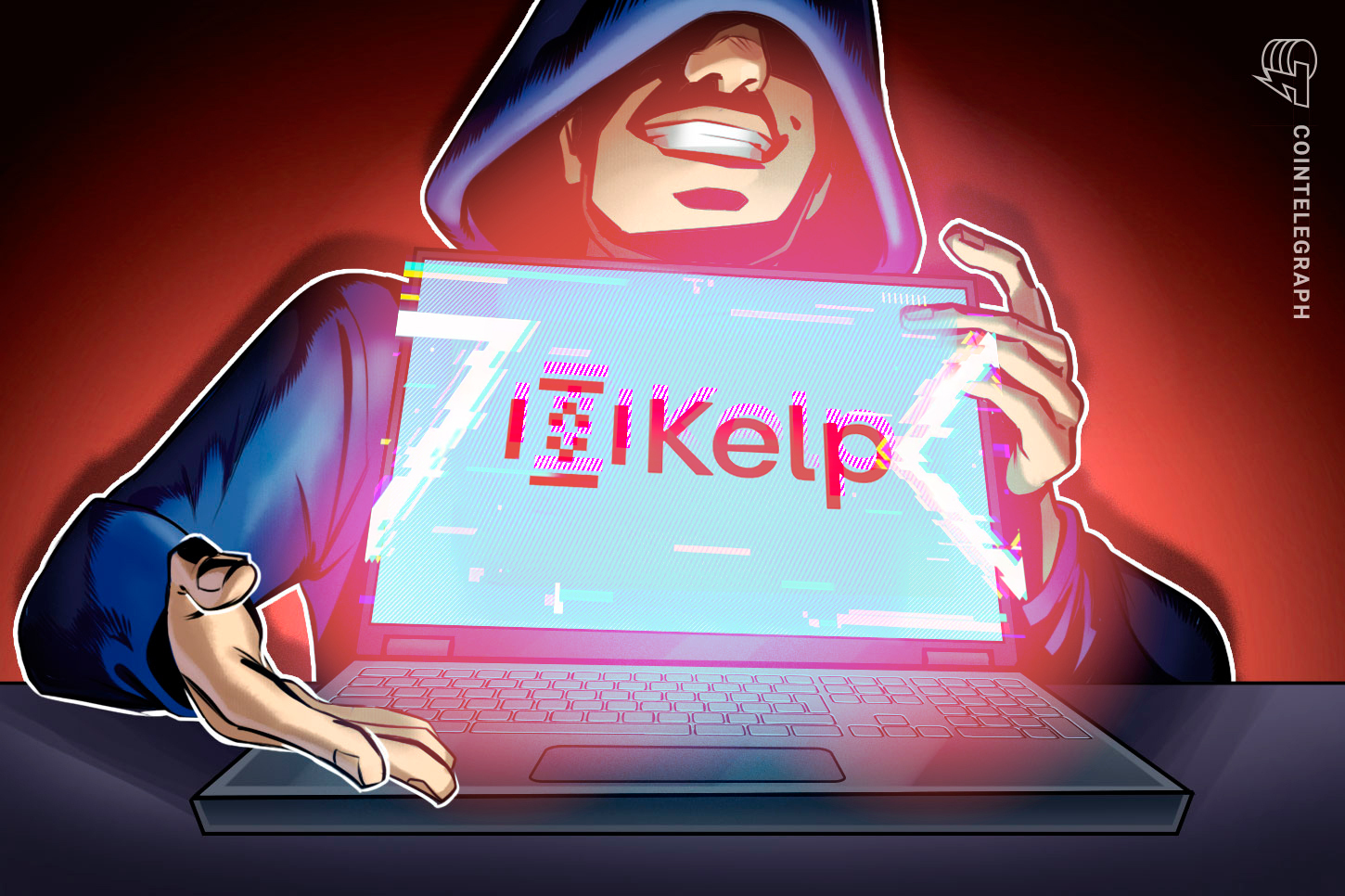
The Kelp DAO exploit, a $292 million disaster that still has folks scratching their heads, clearly rattled more than just the immediate victims. LayerZero, the tech behind Kelp DAO, admitted it “made a mistake.” A mistake that cost users nearly $300 million. Cute. It turns out their internal configurations had a blind spot so big you could drive a truck through it — a blind spot exploited by North Korean hackers, no less.
So, Lombard, after what they’re calling an “extensive review” (read: panic), has jumped ship. They’re not alone. Kraken did the same thing just a day prior, yanking its kBTC wrapped Bitcoin token away from LayerZero. This isn’t a trend; it’s a full-blown panic migration.
Why the Sudden Ditch?
Lombard’s statement on X is classic corporate speak, but the subtext is loud and clear: security trumps everything. “This decision prioritizes the safety and security of all Lombard users and reflects our commitment to maintaining the security record we’ve built since day one, zero security incidents and 100% uptime,” they chirped. Translation: LayerZero wasn’t cutting it. They’re moving over $1 billion in assets — that’s Bitcoin-linked stuff, mind you — across Solana, Ethereum, and Berachain. And they’re ditching LayerZero on Morph and Swell too. Double whammy.
Chainlink CCIP, according to Lombard, offers a “secure-by-default foundation.” Plus, they can add their own security layers. Think of it like this: LayerZero built a house with a faulty lock, and now everyone’s moving to a place with a reinforced steel door and the option to install your own alarm system. And Lombard isn’t just plugging in; they’re adopting Chainlink’s Cross-Chain Token (CCT) standard. Fancy.
“With CCIP, we not only benefit from its secure-by-default foundation, but also the ability to configure additional security layers on top.”
This entire debacle brings to mind the early days of the internet, when companies were scrambling to adopt any new protocol, only to find themselves saddled with vulnerabilities later. We saw it with early network security, with obscure encryption methods. Now, we’re seeing it in DeFi interoperability. The allure of speed and connectivity is powerful, but when it comes at the expense of fundamental security, the bill eventually comes due. And it looks like LayerZero is collecting.
The sheer amount of total value locked (TVL) that’s fled LayerZero since the Kelp DAO incident is eye-watering. Solv Protocol, Re, Kelp DAO itself – they’re all heading for the exits. This isn’t just about one firm’s bad day; it’s about a fundamental re-evaluation of trust in the plumbing that connects blockchains.
Is LayerZero Dead on Arrival?
Probably not dead, but certainly wounded. Deeply wounded. When billions in assets are actively fleeing your platform, and major players like Kraken and Lombard are publicly choosing alternatives, the narrative shifts. LayerZero’s “mistake” wasn’t just a technical glitch; it was a critical failure of foresight that has burned its reputation with the very people who entrust them with their digital fortunes. They can write postmortems all day, but the market’s memory is long, and its wallet is short.
The irony isn’t lost on me. We’re building an increasingly complex financial system on code, and that code needs to be perfect. Imperfect code, especially when handling vast sums, isn’t just an error; it’s a catastrophe waiting to happen. And it seems the market is finally waking up to that harsh reality.
This move by Lombard isn’t just about replacing one piece of tech with another. It’s a stark signal: security is no longer a buzzword. It’s the price of entry. And if your tech has a history of enabling billion-dollar heists, you’re going to be left holding the bag.
🧬 Related Insights
- Read more: AI Recovers $400K in Bitcoin: Hype or New Dawn?
- Read more: Iran’s Central Bank Just Had $344 Million in Crypto Swiped by Uncle Sam
Frequently Asked Questions
What does LayerZero actually do?
LayerZero is a cross-chain interoperability protocol designed to enable developers to build applications that can send messages and transfer assets smoothly between different blockchains. It aims to simplify cross-chain communication.
Will this affect my Bitcoin assets?
If your Bitcoin assets are managed by firms like Lombard Finance that are migrating their technology stack, then yes, the underlying infrastructure supporting those assets may change. For individual users, the goal is for these transitions to be as smoothly and secure as possible, but it’s always wise to stay informed about the platforms you use.
Is Chainlink CCIP truly more secure than LayerZero?
Chainlink CCIP (Cross-Chain Interoperability Protocol) is generally considered a more mature and strong solution, partly due to its decentralized oracle networks and a layered security approach. However, no technology is entirely immune to exploits. Lombard’s decision reflects a perceived higher level of security and configurability in CCIP following the LayerZero vulnerability.