Look, another year, another existential crisis for Bitcoin. This time around, it’s not just struggling; it’s been unceremoniously shoved down the global asset rankings, now languishing at a measly 13th place. That’s right, a digital currency that once promised to upend the financial world is now trailing behind the titans of AI and, believe it or not, old-fashioned gold.
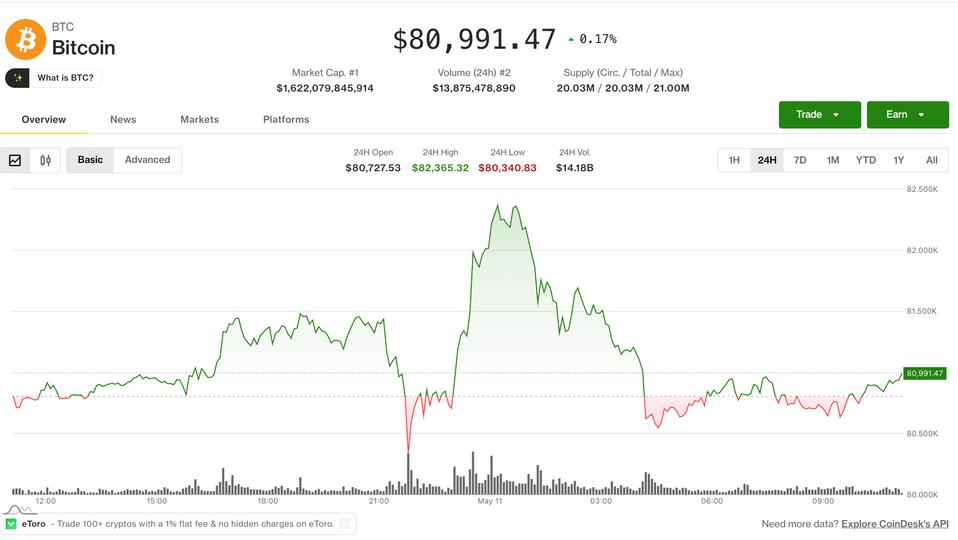
Bitcoin’s 2026 performance has been, to put it mildly, pathetic. Down 11% year-to-date and a brutal 30% over the past year, it’s a far cry from the roaring bull runs of yesteryear. Meanwhile, the rest of the market seems to be doing just fine, thank you very much. Precious metals? They’ve been having a field day. Gold flirted with a mind-boggling $5,600 an ounce in January before settling back around $4,486. Silver, not to be outdone, shot up to $120 an ounce, now hovering near $76. This isn’t just pocket change; silver’s surge has propelled it into the top five global assets by market cap, a proof to investors seeking refuge in the tangible as uncertainty swirls. And the AI boom? Don’t even get me started.
The Real Money Makers
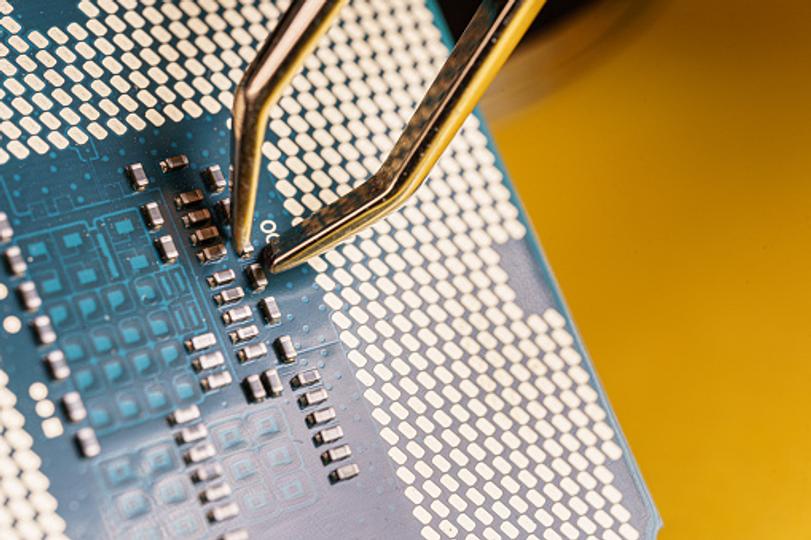
Here’s the thing: while crypto bros were busy shouting about the next moonshot, the real money was being made elsewhere. The semiconductor sector, fueled by the insatiable demand for AI processing power, has seen companies like TSMC and Broadcom not only outperform Bitcoin but actually surpass it in market capitalization. We’re talking valuations north of $2 trillion for each, good for the eighth and ninth spots globally. Micron Technology just crossed the $1 trillion mark itself. Even Samsung, at $1.3 trillion, is now sitting just shy of Bitcoin’s diminished perch.
This isn’t just a minor dip for Bitcoin. It’s a capital flight. And it’s telling. The exodus from U.S.-listed spot Bitcoin ETFs hasn’t helped matters. We’ve seen massive trades, like a single $1.29 billion block sale of BlackRock’s IBIT, executed in dark pools. That’s the kind of move that makes you wonder who’s really still holding the bag and who’s quietly cashing out.
Is This the End for Bitcoin’s Dominance?
It’s easy to dismiss this as just another crypto winter. But this feels different. For years, Bitcoin has been sold as digital gold, a hedge against inflation, a store of value. Yet, when inflation has been a persistent worry and economic uncertainty has been the norm, where did investors turn? Not to Bitcoin. They went to actual gold. They went to the companies building the infrastructure for the next technological revolution. Bitcoin’s narrative is getting a serious reality check.
This rotation suggests a fundamental shift in investor sentiment. The speculative fervor that drove Bitcoin to dizzying heights seems to be waning, replaced by a more pragmatic approach focused on tangible assets and companies with clear revenue streams. The question isn’t just whether Bitcoin can recover, but whether its core value proposition still resonates in a world increasingly driven by AI and tangible technological advancement.
“An unknown investor executed a single $1.29 billion block sale of BlackRock’s IBIT bitcoin ETF in a dark pool on Tuesday, in what one analyst called the largest trade of its kind he has seen.”
This single transaction is a blaring siren. It signals not just a large sale, but a potential sentiment shift among major holders. When this kind of capital moves, it’s usually for a reason far more significant than a minor market fluctuation. It points to a strategic reallocation away from riskier, less tangible assets toward those with demonstrable growth and utility.
Who’s Actually Making Money Here?
Let’s be blunt: the folks making money are the ones selling the chips, refining the gold, and managing the ETFs that track them. The companies building the AI infrastructure aren’t relying on speculative trading; they’re building real products, generating real revenue, and delivering tangible value. The precious metals market, while cyclical, has a proven track record as a store of value. Bitcoin, on the other hand, has proven itself to be a remarkably volatile speculative vehicle, easily outmaneuvered by actual hard assets and forward-looking technology.
It’s a tough pill to swallow for those who’ve staked their fortunes on Bitcoin’s inevitable rise. But the data doesn’t lie. While the crypto community bickers over block sizes and transaction speeds, the real economy — the one that powers our lives and our investments — is moving on to the next big thing. And for now, that thing isn’t Bitcoin. It’s chips, code, and centuries-old shiny yellow metal.