For the average person, this isn’t just abstract academic debate; it’s a ticking clock for the digital security that underpins everything from your Bitcoin wallet to your online banking. The convergence of artificial intelligence and quantum computing is forcing a radical re-evaluation of digital security, essentially kicking off a new, high-stakes cybersecurity arms race.
AI is no longer just a tool for data analysis; it’s becoming an engine for scientific discovery. Researchers are now leveraging machine learning algorithms to optimize the notoriously complex processes involved in quantum error correction. This isn’t theoretical anymore. It’s a practical application that demonstrably shaves time off the development of quantum computers—computers that, when powerful enough, could shatter the encryption protecting much of our digital world.
This acceleration means the timeline for when cryptographically relevant quantum computers might emerge is shrinking. While exact dates remain elusive, the consensus is that AI is making the “harvest now, decrypt later” strategy far more viable. Sophisticated actors, be they state-sponsored groups or advanced criminal enterprises, are already likely hoovering up encrypted data today, betting that they’ll be able to unlock it years down the line when their quantum decryption capabilities are ready. Your online conversations, financial transactions, and even your cryptocurrency holdings could be vulnerable to decryption in the future, if they aren’t already being compromised.
Why Does This Matter for Crypto?
Cryptocurrencies, by their very nature, rely heavily on sophisticated cryptography—specifically, elliptic curve cryptography, the same kind used across the broader internet. The danger is stark: a powerful quantum computer could potentially derive private keys from public keys. This means an attacker could gain control of your digital assets, emptying wallets and compromising entire blockchain networks. Bitcoin and Ethereum, staples of the crypto landscape, are not immune.
The real story, however, isn’t just quantum computing in isolation. It’s the potent, synergistic combination of AI and quantum. Think of it as a feedback loop where AI accelerates quantum research, and future quantum computers might even aid in the design of even more advanced AI. This creates a dynamic security environment where static defenses are rendered obsolete.
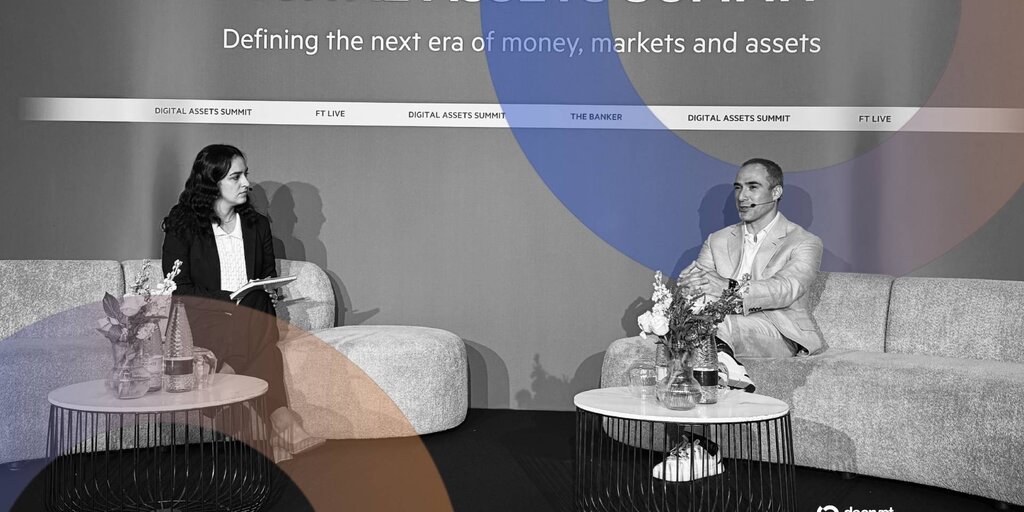
AI’s offensive capabilities extend beyond just speeding up quantum hardware. It’s also becoming adept at finding vulnerabilities in software and, potentially, in cryptographic implementations themselves. Alex Pruden, CEO of Project Eleven, put it plainly:
“I would expect the advent of AI to accelerate… even more hacks. You have these AI models that are able to find either implementation bugs in the underlying cryptography or increasingly, I think, break the cryptography itself.”
This presents a daunting challenge for developers. The old model of updating security infrastructure every decade is no longer sufficient. Instead, we’re entering an era of continuous security evolution, a constant cat-and-mouse game where AI-powered attacks are met with AI-powered defenses.
On the flip side, AI is also being deployed defensively. Developers are using it for rigorous code auditing, testing, and formal verification—a mathematical discipline to prove software behaves exactly as intended. This defensive use of AI could be critical in building and validating post-quantum cryptographic systems, theoretically making them more resilient. It’s a battle where both sides are armed with the same powerful accelerant.
Is This a Cybersecurity Arms Race?
Absolutely. This is a scenario where the attackers gain speed from AI and quantum, and defenders must adapt just as quickly. It’s not just about securing blockchains; it’s about securing the entire digital infrastructure of the internet. The constant, rapid evolution required means that once-reliable encryption methods will soon be relics, unable to withstand the dual onslaught of advanced AI and quantum computation.
The urgency is palpable. As Illia Polosukhin, co-founder of NEAR Protocol and a former Google AI researcher, noted, AI is already accelerating scientific discovery. He predicts this trend will only intensify, leading to unexpected breakthroughs happening much sooner than anticipated. It’s a future where the next generation of quantum computers might be built with AI, further fueling the cycle.
For the crypto industry, this isn’t a distant problem. It’s an immediate call to action. The development of quantum-resistant cryptography, or post-quantum cryptography (PQC), needs to move from the theoretical to the deployed. This involves not just developing new algorithms but also integrating them across existing networks, a monumental task.
The traditional approach to cryptography is being fundamentally challenged. We’re moving from a static model of security to a dynamic, adversarial one. The implications for financial markets, data privacy, and the very concept of digital trust are profound. Those who fail to prepare for this AI-accelerated quantum future risk being left behind—or worse, compromised.
Unique Insight: The prevailing narrative often pits AI against quantum computing in the context of cybersecurity. However, the truly destabilizing force isn’t one versus the other, but their symbiotic acceleration. AI is not just making quantum computers better; it’s making the process of developing and breaking cryptography faster for both sides, creating a relentless cycle of escalation that traditional security models can’t match. This feedback loop is what makes the threat existential for current encryption standards.
🧬 Related Insights
- Read more: Stablecoin Rewards on the Brink: Congress’s Make-or-Break Week for Crypto Yields
- Read more: Polygon Labs’ $100M Stablecoin Gambit: Payments Pivot or Crypto Hype?
Frequently Asked Questions
What does AI accelerating the quantum threat mean for my crypto investments? AI speeding up quantum computing development means the encryption protecting your crypto could become vulnerable sooner than expected. Investors should be aware of this evolving risk and consider diversifying into assets or platforms that are actively adopting quantum-resistant solutions.
Will quantum computers steal my Bitcoin? Potentially, yes. If a sufficiently powerful quantum computer is developed before widespread adoption of quantum-resistant cryptography, it could theoretically be used to derive private keys from public keys, allowing attackers to steal Bitcoin from wallets.
How can I protect myself from quantum attacks on my crypto? Actively seek out and support cryptocurrency projects and platforms that are prioritizing the development and implementation of post-quantum cryptography (PQC). Staying informed about advancements in quantum-resistant solutions and understanding their integration into your chosen platforms is key.