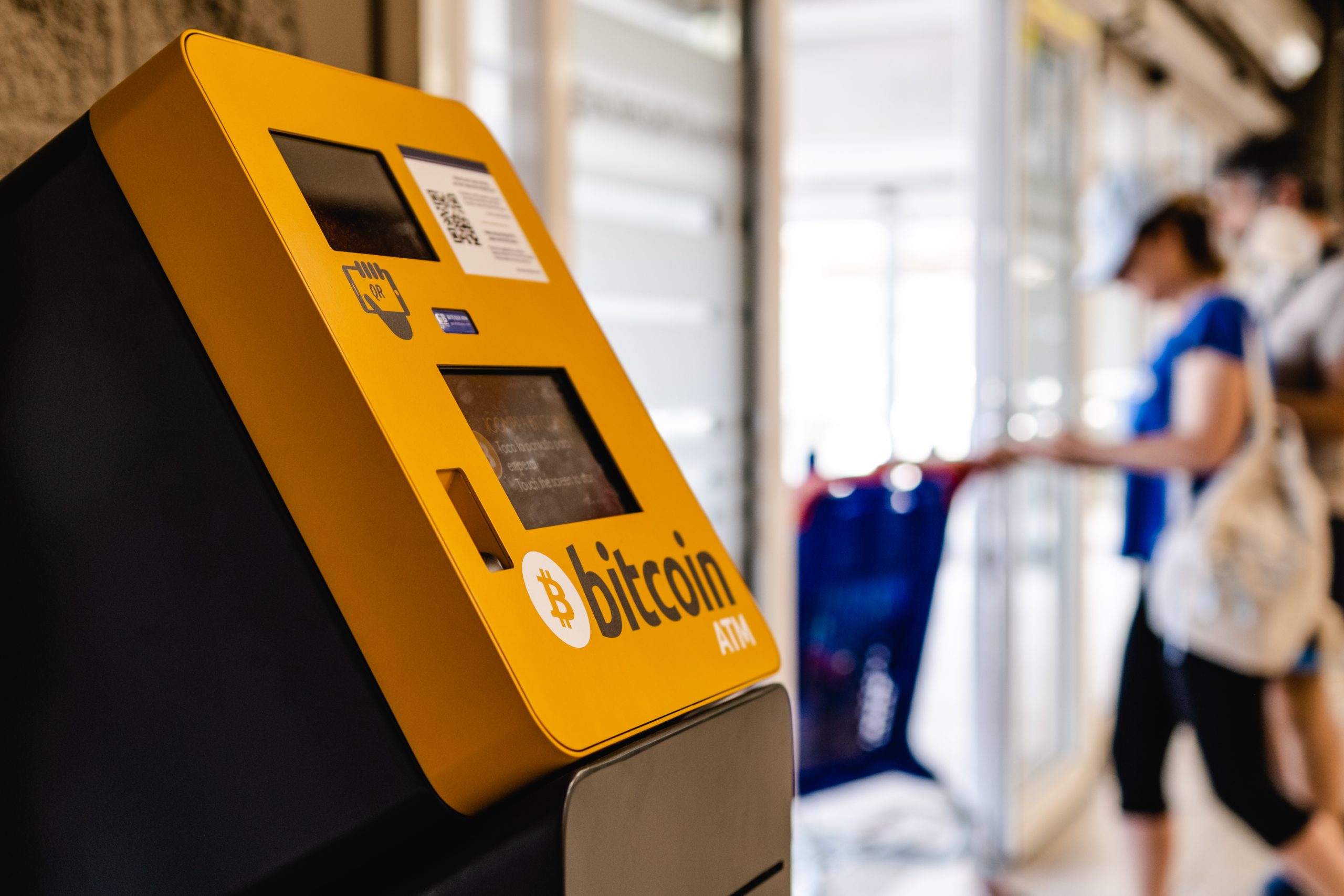
Forget the glossy brochures and promises of financial inclusion. For regular folks, the real news here is that the convenience store crypto kiosk you might have seen — or even used — is likely going the way of the fax machine.
Bitcoin Depot, the biggest player in North America’s bitcoin ATM game, is filing for Chapter 11. Translation: they’re broke and looking to sell off whatever scraps they have left. This isn’t just about one company stumbling; it’s a massive flashing red light for the entire bitcoin ATM industry.
For a hot minute, these machines were supposed to be the bridge. Want to get your hands on Bitcoin without navigating complicated apps or dealing with banks? Just find a kiosk, shove some cash in, and presto. Easy, right? Especially for folks who weren’t exactly swimming in traditional banking services. Bitcoin Depot alone boasted nearly 10,000 machines at its peak. A tangible way to touch crypto in the real world. Or so they claimed.
But the shine wore off. Fast.
Here’s the thing: the very services that made ATMs seem necessary are now everywhere else, and cheaper. Bitcoin Depot’s own filings paint a grim picture: revenue cratered by nearly 50% in Q1 year-over-year, and they lost $9.5 million. Oh, and hackers managed to swipe $3.6 million from their corporate wallets just before all this imploded. Great optics.
Undercut by the Apps They Helped Normalize
It’s almost funny, in a bleak sort of way. Bitcoin ATMs probably did more to normalize crypto to the masses than anything else. They filled a void when buying digital assets felt like rocket science. Mobile exchanges were clunky, banks were hesitant, and cash was king for many. So, people paid through the nose. We’re talking fees of 8% to 20% per transaction. A hefty price for convenience.
Now? Buying crypto is often less hassle than ordering a pizza. Apps like Coinbase, Cash App, and Robinhood charge less than 1% in fees. Even traditional stock brokers are in on it. Plus, with crypto ETFs, you can buy Bitcoin through your regular brokerage account without ever thinking about a kiosk. The ATMs’ original selling point evaporated.
A Magnet for Fraud and Regulation
But let’s be honest, the convenience was always secondary to the real problem: trust. Or rather, the glaring lack of it.
These ATMs became a go-to tool for scammers. Elderly folks, first-time users — anyone vulnerable was targeted. Criminals would tell victims to wire money or deposit cash into these machines, transactions that were practically irreversible once logged on the blockchain. Massachusetts is suing Bitcoin Depot, claiming they facilitated over $10 million in scam losses. Nice work.
Governments are finally waking up. At least 15 states are considering laws to cap transactions and limit those outrageous fees. Federal lawmakers are talking about bills to prevent fraud. It’s like they’re trying to close the barn door after the crypto horse has not only bolted but possibly robbed a bank.
My unique insight? This isn’t just about high fees or scams. It’s about the inherent latency of physical infrastructure in a digital world. The ATM model was always a stopgap, a physical manifestation of a digital product that was always destined to live on screens. The technology was ready for mainstream adoption long before the machines caught up, and the companies that bet everything on them are now paying the price. They were trying to sell a digital future with analog tools.
The collapse is more than just the failure of one company—it may signal the unraveling of the bitcoin ATM industry itself, a business that once promised to bring cryptocurrency to the financial mainstream but increasingly became associated with high feeds, scams, and regulatory scrutiny.
So, what does this mean for you? If you’re someone who relied on these machines because digital interfaces felt daunting, your options just got considerably narrower and more expensive. If you’re savvy enough to use apps, this is just another sign that the wild west days of crypto are slowly, but surely, being tamed. And frankly, about time.
Bitcoin ATMs promised a shortcut to digital wealth. For most, it just led to a dead end, plastered with an exorbitant fee schedule.
🧬 Related Insights
- Read more: FDIC’s Stablecoin Ruleset: From Wild West to Guarded Vault Overnight
- Read more: AI Automates AR, CFOs Predict B2B Payment Growth
Frequently Asked Questions
What does Bitcoin Depot actually do? Bitcoin Depot operated a network of Bitcoin ATMs across North America, allowing users to purchase Bitcoin with cash. They have filed for bankruptcy and are shutting down.
Will this mean I can’t buy Bitcoin with cash anymore? Buying Bitcoin with cash may become significantly more difficult. The collapse of major ATM operators means fewer locations and potentially higher fees if any survive.
Is this bad for Bitcoin itself? While the failure of a major operator is a blow, Bitcoin itself is a decentralized network. The industry’s issues with ATMs are more about a specific business model’s failure than a fundamental problem with Bitcoin’s technology.