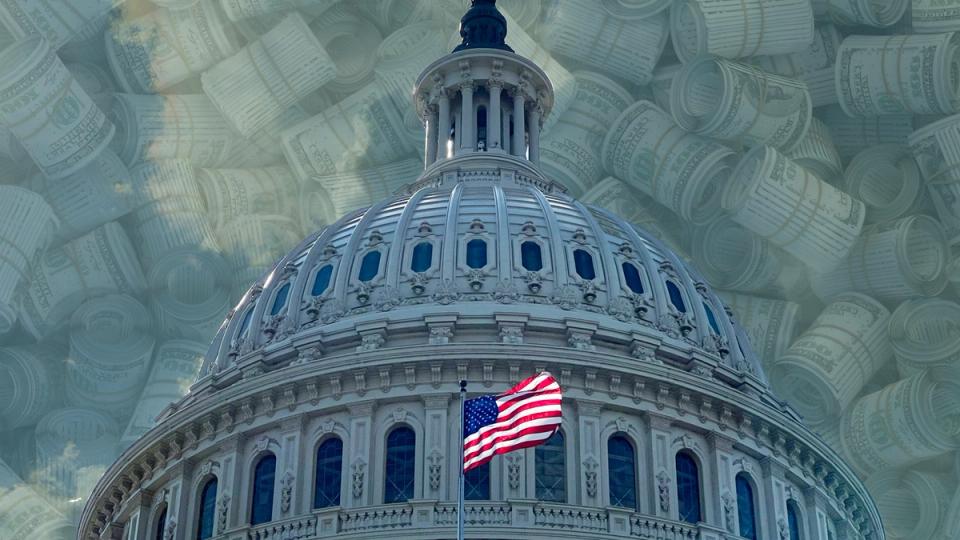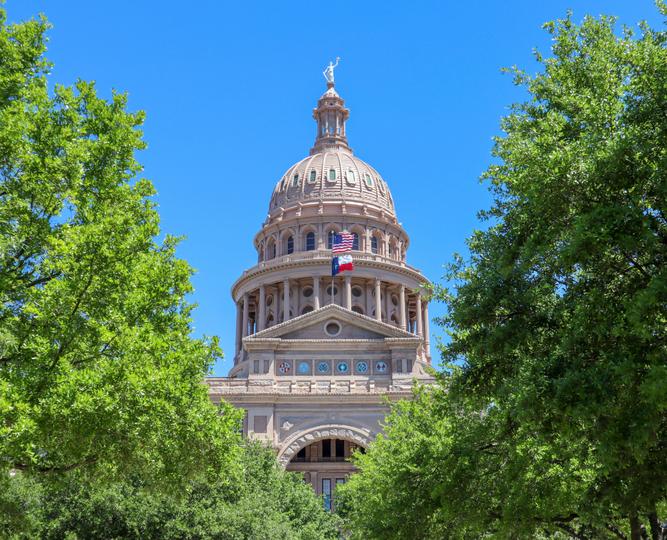
Over $500,000 from a single PAC funded by Wall Street giants has landed in the Texas Senate race, folks. This isn’t just about local politics anymore; it’s a seismic shift, a flashing neon sign screaming that the crypto industry is now playing in the big leagues of American political funding. We’re talking about influence, about shaping legislation that could define the digital asset landscape for years to come, and the cash is flowing thick and fast.
This isn’t your grandpa’s campaign finance. This is the future arriving with a thunderclap, funded by the very entities looking to build it.
Crypto PAC Money Flows Into Texas Runoffs
Look, the headline is direct: crypto PACs are pouring money into Texas primary runoffs. The Fellowship PAC, bankrolled by heavy hitters like Cantor Fitzgerald and Anchorage, dropped a cool half-million to back Paxton over Cornyn for a US Senate seat. This happened mere hours after Trump’s endorsement, a move that sent Paxton’s odds on prediction markets soaring past 90%. It’s a strategic play, a clear signal that these financial forces are backing their preferred candidates with serious firepower. And it’s not just one race; the ripple effects are felt across multiple contests, potentially altering the balance of power in Congress come 2027.
Is This Just About Texas? Or a Bigger Play?
Here’s the thing: Texas is a bellwether. What happens in these high-stakes primaries can set the tone for national races. When you see organized, substantial funding from an industry as dynamic and, frankly, as scrutinized as crypto, you’re witnessing a fundamental platform shift in action. It’s like watching the early days of the internet, when companies realized that lobbying and political engagement weren’t just optional add-ons; they were existential necessities. They understood that lawmakers, armed with the right information (and, shall we say, motivated by substantial contributions), could either pave the way for innovation or build impenetrable walls.
The narrative being pushed by some PACs, like Protect Progress, even skirts the direct crypto messaging, opting instead for broader attacks against opponents. Bill King, a former opinion writer, pointed out seeing “12 television commercials yesterday paid for by the Protect Progress PAC… and that same group of people are the ones that are primarily funding Trump.” This hints at a sophisticated, multi-pronged approach to political influence, where the crypto agenda is woven into a larger mix of campaign strategy.
“I saw 12 television commercials yesterday paid for by the Protect Progress PAC […] and that same group of people are the ones that are primarily funding Trump.”
This quote, from a local news segment, is fascinating. It reveals a tactical nuance: sometimes, the most effective way to advance an agenda isn’t to shout about it, but to embed it within more palatable, perhaps even nationalistic, messaging. It’s political jujitsu, using the existing currents of public sentiment to carry their chosen candidates forward.
Prediction Markets: The Digital Crystal Ball
And then there are the prediction markets, like Kalshi and Polymarket. These platforms, where users bet on the outcomes of real-world events, are showing fascinating trends. Kalshi, for instance, has consistently favored Democratic candidates since February and saw Paxton’s odds skyrocket post-Trump endorsement. With bets topping $16 million, these markets aren’t just an interesting sideshow; they’re a powerful indicator of informed sentiment, a digital pulse of who’s perceived to have the inside track. It’s a fascinating intersection of finance, technology, and democracy, where algorithmic probabilities meet electoral outcomes.
Why Does This Matter for Developers?
For the developers, the engineers, the builders in the blockchain and crypto space, this is more than just noise. This is the sound of their creations becoming deeply intertwined with the machinery of governance. The legislation that emerges from these elected officials will directly impact the frameworks within which they operate, the regulations they must adhere to, and the very future trajectory of their projects. Think of it like a city planner deciding whether to build superhighways or cobblestone paths for a burgeoning new technology – the decision profoundly shapes what can be built and how quickly it can grow.
When the industry invests heavily in political capital, it’s not just about protecting existing assets; it’s about actively shaping the environment for future innovation. They’re not just reacting to regulations; they’re trying to write them. This shift from a fringe movement to a significant political player is a proof to the growing maturity and, frankly, the undeniable economic power of the crypto ecosystem. It’s a future being built, and the blueprints are being drawn in the halls of power, with a little help from some very well-funded PACs.
🧬 Related Insights
- Read more: Revolut’s Bitcoin Glitch: A Blip or Warning?
- Read more: Bitcoin Tumbles: Rate Hike Fears & Geopolitical Shocks Hit Crypto
Frequently Asked Questions
What are crypto PACs? Crypto Political Action Committees (PACs) are organizations that pool campaign contributions from individuals and companies within the cryptocurrency and blockchain industry to donate to political candidates and causes they support, aiming to influence legislation and policy.
Will this crypto funding impact upcoming elections? The significant financial investment suggests a strong intent to influence election outcomes. The race for Congressional control and specific legislative battles over crypto regulation are likely to be directly impacted by this increased campaign spending.
Are prediction markets reliable political indicators? Prediction markets can offer valuable insights into perceived outcomes, reflecting the collective judgment of those willing to bet on events. However, they are not perfect predictors and can be influenced by various factors, including market sentiment and the flow of information.