The air crackled with anticipation, not from a blockchain transaction, but from the sheer, unadulterated power of money hitting political campaigns.
And here we are, watching the crypto lobby, that invisible hand of digital finance, flex muscles we didn’t even know it had. It’s like the early days of the internet, where everyone was trying to figure out where the real value lay, but now, instead of dial-up modems, we’re talking about super PACs. This isn’t just about backing candidates; it’s about fundamentally trying to shape the legislative landscape, whispering sweet nothings of deregulation into the ears of politicians, while simultaneously lobbing grenades at those who dare to suggest oversight.
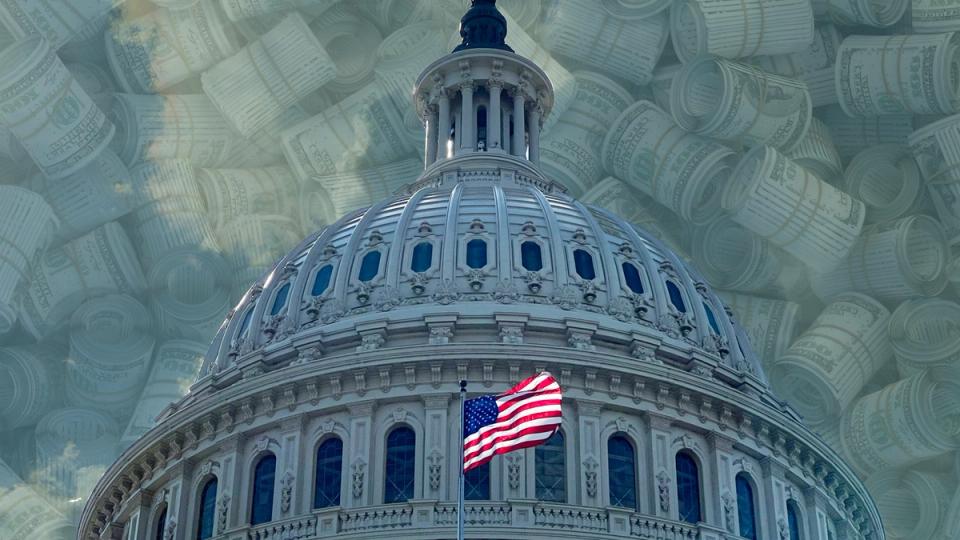
Look, the numbers are staggering. We’re talking about millions upon millions of dollars, a veritable tidal wave of campaign cash, and guess where most of it’s landing? Smack dab in the Republican party’s coffers. It’s not a subtle wink; it’s a full-on, brightly lit neon sign screaming, “We’re here, and we’re ready to spend!”
Why the Republican Gravitation?
It’s not exactly a mystery, is it? The GOP’s long-standing affection for deregulation, for rolling back the heavy hand of government oversight, makes them the natural darling of an industry that often views regulation as an existential threat. Democrats, bless their hearts, tend to be a bit more… cautious. They’re not necessarily saying “no” to crypto, but they’re certainly asking a lot more questions, and that’s often enough to send the money elsewhere.
But here’s the twist, the messy, human detail that makes this whole thing so fascinating: these PACs aren’t just supporting Republicans; they’re actively opposing Democrats. We’re talking nearly $2 million more spent against Democrats than for them. That’s not just strategic placement; that’s a deliberate, calculated effort to kneecap opposition.
Crypto PACs spent more against Democrats than for them.
A Primary Power Play
And where are we seeing this strategy play out most aggressively? In the primaries. It’s like the crypto lobby is getting to hand-pick the contenders before the main event even begins. They’re ensuring that, no matter who wins the general election, there’s at least one friendly face in the room, one ear tuned to their unique frequency.
Take, for example, the Illinois Senate primary. Over $10 million poured into materials against one candidate, Juliana Stratton. Ten. Million. Dollars. That’s more than the total financial support her opponent even received. And the kicker? It backfired. Stratton, armed with this very spending as ammunition, use it and won. It’s a stark reminder that money isn’t always the ultimate persuader.
Then there’s Georgia’s 13th Federal Congressional District. Jasmine Clark, winning her primary with a whopping 56% of the vote, was bolstered by an astonishing $4.2 million in outside spending from crypto PACs. That’s nine times what her own campaign managed to raise. You’d think this would be a slam dunk, a clear victory for the crypto agenda.
But here’s where it gets truly intriguing. According to election analysts, that massive influx of crypto cash was actually a “huge turn-off for Dem voters.” How did Clark still win, then? Because, as one analyst pointed out, the other campaigns simply couldn’t afford to get the word out. “The problem: Voters had no way of knowing it was crypto money! To advertise that message, guess what you need…” Money. So, even when the money itself is the problem, you need more money to expose it.
Betting on Tuberville’s Seat
And the spree continues in Alabama, where Senator Tommy Tuberville’s departure has left a prime seat open. Barry Moore, a candidate favored by Trump, snagged $7.8 million from the crypto lobby. That’s nearly four times what his opponent raised. While Moore won the primary, he landed in a runoff, showing that even a king’s ransom doesn’t guarantee an outright victory.
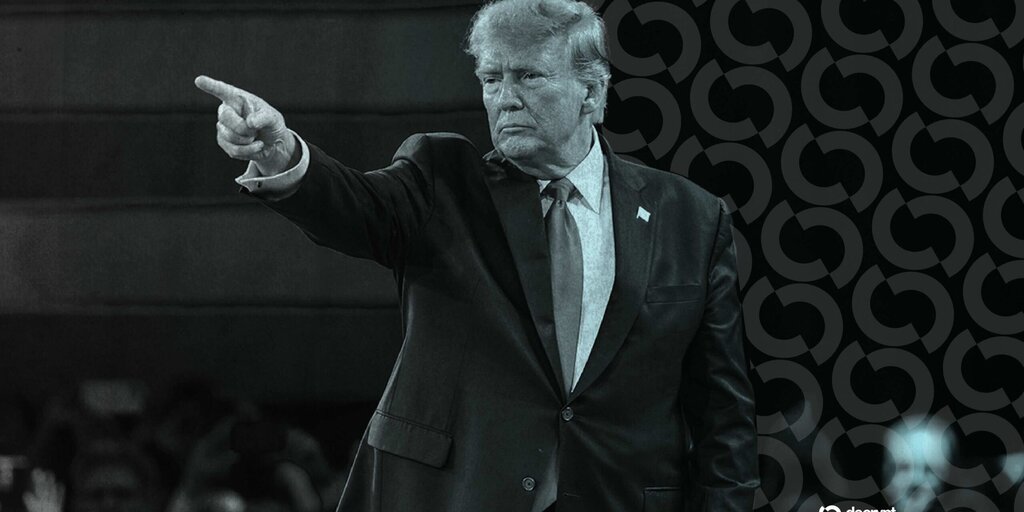
Fairshake, the titan of crypto PACs, is claiming a clean sweep in six primaries where they threw their weight around, proclaiming a “powerful bipartisan mandate.” But let’s zoom out for a second. In many of these cases, the GOP candidates they backed were also endorsed by Donald Trump. That’s not exactly a vote of confidence in crypto as a standalone issue; it’s more like riding the coattails of a political juggernaut. Messaging in these campaigns reportedly leaned heavily on those Trump associations, not on arcane blockchain policies.
Look at Moore’s campaign site. His association with Trump is front and center. His economic agenda? No mention of crypto, just support statements from other legislators. And Jasmine Clark? Her campaign site is similarly silent on digital assets. It seems even the candidates who benefit most from crypto cash are hesitant to make it a public talking point.
This is the core tension, isn’t it? Crypto is increasingly a political force, wielding its financial power like a seasoned player. But as a campaign issue? That seems to be a bridge too far, even for the candidates willing to take the money. It’s a fascinating paradox: money talks, but the message it carries might be too toxic to broadcast openly.
What Does This Mean for the Future?
We’re witnessing a fundamental shift. AI, much like the internet before it, is a platform shift. It’s not just a tool; it’s a new way of building, interacting, and, yes, influencing. Crypto’s foray into politics, armed with its formidable financial firepower, is another facet of this evolving digital ecosystem’s impact on our established structures. It’s a powerful reminder that the technology shaping our future isn’t just being built in silicon valleys; it’s being debated and legislated in the halls of power, often fueled by the very capital it generates.
The crypto industry is poised to shatter its previous spending records for the 2024 presidential elections. But the real question, the one that will echo through the coming years, is whether this mountain of money can actually buy policy. Or will it be another case of the digital world’s ambitions clashing with the analog realities of human politics?
🧬 Related Insights
- Read more: Bitcoin Reserve Bill: 1M BTC Target, 20-Year Lockup
- Read more: Why Crypto’s Iran War Reprieve Won’t Last—And Why That’s Good News
Frequently Asked Questions