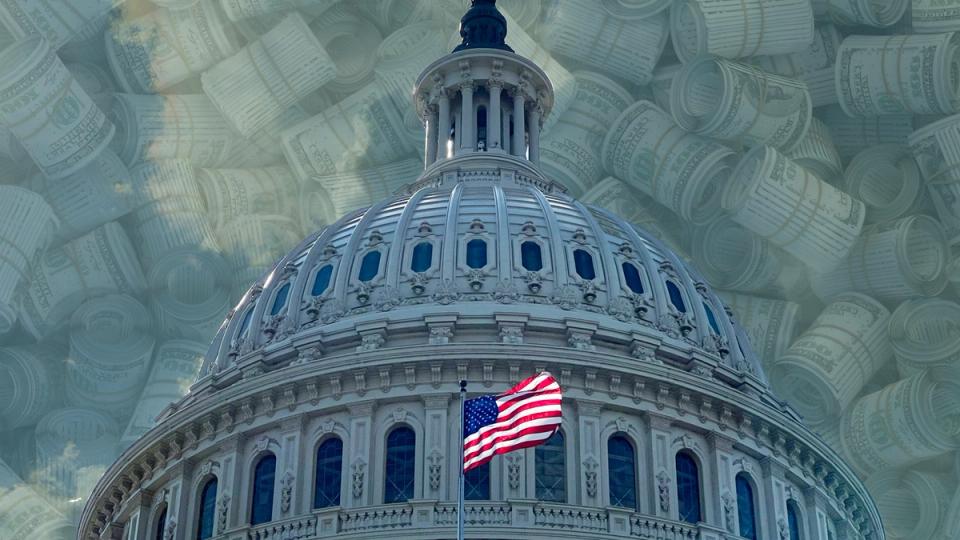
Forget the whispers of blockchain’s niche appeal; the crypto world is now a full-blown political force, and the numbers prove it. $6.5 million. That’s just one figure from Fairshake PAC’s spending to help a particular candidate advance in a Texas primary. It’s more than just noise; it’s a calculated deluge of cash aimed squarely at shaping Congress.
We’re not talking about tentative steps anymore. This is a strategic land grab, powered by war chests that would make traditional lobbying firms blush. For years, the narrative around crypto and politics was one of careful, bipartisan wooing. But this election cycle? That meticulous balancing act seems to be giving way to something far more direct, and frankly, a lot more interesting.
Is Bipartisanship Already a Relic?
This isn’t just about electing friendly faces; it’s about ousting critics. The recent Texas primaries, for instance, saw the defeat of U.S. Representative Al Green, a Democrat and vocal crypto skeptic. Fairshake PAC reportedly poured millions into that race, a clear signal that the industry is willing to spend big to remove obstacles. It’s like a digital siege, where every dollar is a siege engine aimed at entrenched political positions.
And it’s not just about taking down opponents. New PACs are popping up, like the Fellowship super PAC, which is openly backing Republican candidates. While Fairshake has historically tried to walk a tightrope between both parties, this emerging Republican focus from newer entities suggests a potential fracturing, or at least a specialization, within the crypto political ecosystem. It’s less about a unified front and more about strategic alliances, picking battles and leveraging specific party platforms.
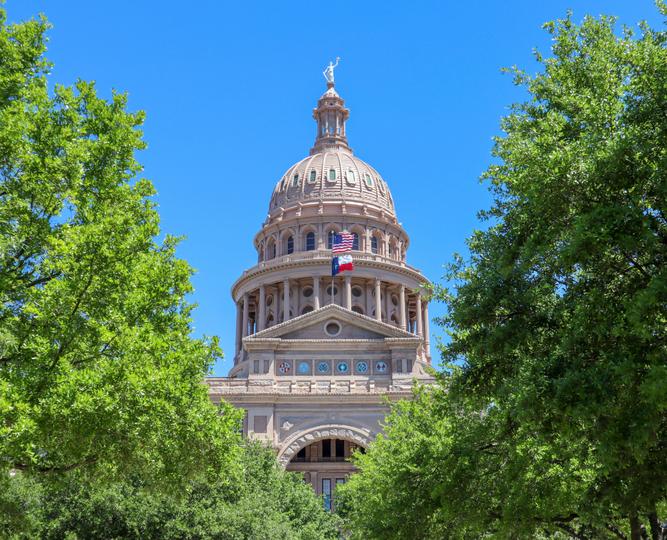
The Texas runoff bouts illustrated the widening reach of the crypto industry in politics, with Fairshake targeting and helping oust a longtime Democrat member of the House of Representatives, crypto critic Al Green, and one of the new PACs throwing weight behind a Republican Senate candidate.
The sheer volume of cash sloshing around is mind-boggling. Fairshake’s $6.5 million expenditure in one House race is astronomical when you consider that many congressional races are decided by hundreds of thousands, not millions. The Blockchain Leadership Fund, a newer player, is also getting in on the action, endorsing and donating to candidates like Christian Menefee. It’s starting to feel less like influencing elections and more like bankrolling them.
The Old Guard vs. The New Money
But here’s the kicker: this isn’t some unified, industry-wide, kumbaya moment. The real engine behind this massive spending appears to be a trio of heavy hitters: Coinbase, Ripple, and a16z. While there are over two dozen policy organizations dedicated to crypto lobbying, the financial muscle seems to be concentrated. This means that political wins might be driven by the interests of a few powerful entities, rather than a broad consensus.
And the folks running Fairshake? They’re notoriously tight-lipped. No comments about their grand strategy, no insights into their decision-making. It’s like a black box of political influence, spitting out results without revealing the algorithm. This opacity, combined with the immense sums of money, is exactly the kind of thing that makes regulators and the public uneasy. We’re seeing a powerful new force enter the political arena, and its inner workings are shrouded in corporate discretion.
This shift is particularly fascinating because it comes at a time when regulatory bodies globally are still grappling with how to classify and control digital assets. It’s a classic case of innovators outrunning the rulebook, and now they’re using established, albeit expensive, political channels to shape the rules themselves. It’s like a speed boat trying to outmaneuver a tugboat – the speed boat has the advantage, but the tugboat dictates the course.
While Fairshake has had some notable successes, like the wins in Kentucky, Alabama, and Georgia primaries, there have been setbacks too. The multi-million dollar effort to unseat Lt. Gov. Juliana Stratton in Illinois, for example, fell short. This demonstrates that even with deep pockets, political outcomes are never guaranteed. The voters, thankfully, still hold some sway.
The question now isn’t if crypto will influence politics, but how profoundly and in whose interest. As new PACs emerge and established ones refine their strategies, the landscape of campaign finance in the digital asset space is undergoing a seismic shift. We’re at the dawn of a new chapter, and the ink is still wet on this particular policy and political narrative.
What Does This Mean for the Future?
This expanding political footprint suggests that the crypto industry isn’t just seeking technological innovation; it’s actively pursuing regulatory and legislative power. The impact could be far-reaching, influencing everything from tax policy to consumer protection. Imagine a future where the rules of finance are written not just by bankers and regulators, but by the very innovators who built the new digital rails. It’s a future that’s rapidly taking shape, one PAC contribution at a time.
🧬 Related Insights
- Read more: [AI Boosts Smart Glasses] Why No Daily Wear?
- Read more: Bitcoin Clings to $68K as Trump’s Iran Doomsday Clock Ticks
Frequently Asked Questions
What is Fairshake PAC? Fairshake PAC is a major political action committee supporting candidates who advocate for sensible cryptocurrency policy in the U.S. It has been a significant spender in recent congressional primaries.
Are new crypto PACs focusing on Republicans? Yes, some newly emerged crypto PACs, like the Fellowship super PAC, are showing a preference for backing Republican candidates, potentially shifting the industry’s political strategy.
Will crypto PAC money influence the next Congress? Given the significant spending and the recent primary wins attributed to crypto PACs, it’s highly probable that their financial influence will play a role in shaping the composition and policy decisions of the next Congress.