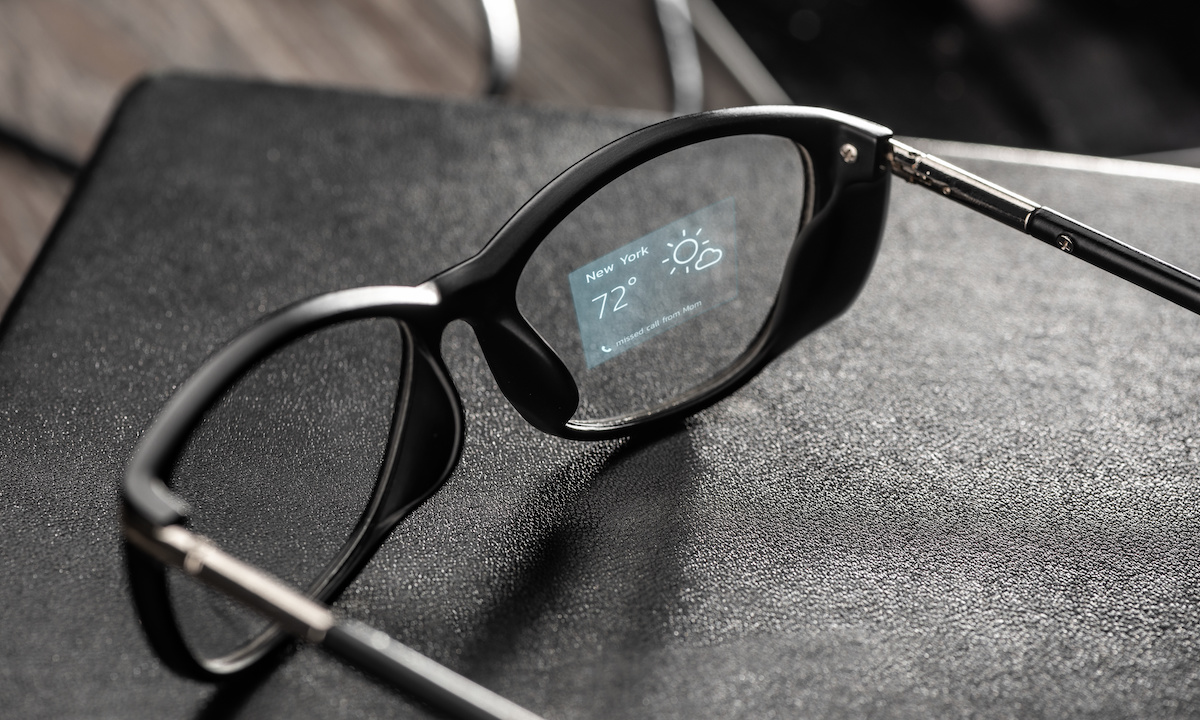
AI just revived smart glasses.
Big Tech’s betting the farm—Samsung leaks, Meta doubles production to 20 million Ray-Ban pairs, Apple pivots from VR bulk to AI slivers—yet consumers shrug. Hardware shrinks to whisper-thin frames, AI delivers live translations, object IDs, conversation summaries. Convergence feels electric. But daily wear? Crickets.
Why the Smart Glasses Obsession Persists
Investments scream conviction. XReal snags $100 million at unicorn status. Gucci teams with Google for luxury debuts next year. EssilorLuxottica eyes 30 million units. Amazon, Snap, Xiaomi—all in. Startups like Viture and Solos swarm with AI-native pitches. It’s a gold rush redux, post-Google Glass flop, Meta metaverse mirage, Apple Vision Pro’s enterprise sidestep.
Hardware evolution dazzles. Microdisplays, waveguides, battery tricks pack power into eyewear mimics—no more beta-tester vibes. Meta’s Ray-Bans, Snap Spectacles blend in. A single London Marathon demo—vision-impaired runners navigating via AI—hints at real wins.
Software? Transformed. Generative AI turns glasses into brain extensions. Real-time aids, multimodal smarts. > “They can summarize conversations, translate languages on the fly, identify objects and provide contextual prompts based on what the wearer sees.” That’s the pitch, straight from the innovators.
And it’s not hype—PYMNTS reports young multitaskers crave hands-free: searches, messages, snaps, translations. Enterprise bites first.
But here’s the rub.
Does AI Solve the ‘Why Wear It’ Puzzle?
No. AI polishes interactions, doesn’t invent necessity. Pull a smartphone for that summary? Done. Glasses demand hours-long commitment—a camera, computer perched on your nose. Creepy? Distracting? Battery drains mid-day?
History whispers caution. Think Walkman to AirPods: audio won because ears hide speakers, music’s endless pull. Or fitness trackers: niche loyalty, not ubiquity. Smart glasses echo BlackBerry’s keyboard fetish—brilliant tech, wrong habits.
Unique insight: This mirrors the electric car false start pre-Tesla. Early EVs impressed engineers—quiet torque, zero emissions—but lacked Superchargers, range swagger, status glow. Smart glasses need their Tesla moment: not iteration, but a cultural ignition. Bold prediction—2026 sees a breakout app tying AR to social virality, like TikTok did short-form video, flipping ‘nice-to-have’ to addiction.
Incremental tweaks loom: better batteries, personalized AI, ecosystems blooming via partnerships. Gucci’s luxury play tests status as gateway. Enterprise scales first—logistics, medicine—before consumer flood.
Yet potential clashes limits. More units churn than ever. Tech peaks. But core queries linger: What’s the daily ritual? Why strap on over pocket tech?
Can Smart Glasses Ever Go Mainstream?
Convergence isn’t enough. Behavioral leaps demand pain points solved—smoothly all-day power, privacy shields for that ever-watchful lens, apps that weave into life unasked.
Meta’s Ray-Bans sell modestly, voice-first wins. Samsung’s leak hints Android XR push. Apple’s rumored lightweight AI glasses could spark, leveraging iPhone loyalty.
Skepticism tempers wonder: Corporate spin hypes ‘intelligent companions,’ but adoption trails. Production ramps signal faith, not proof. True shift? When grandma wears them for recipes, not demos.
The category teeters—poised for orbit or another graveyard plot.
🧬 Related Insights
- Read more: Switzerland’s $157M Crypto Haul: XRP Steals the Show in Narrow Rebound
- Read more: [Bitcoin ETFs: $2B Inflows in 8 Days] But Short-Term Sellers Loom
Frequently Asked Questions
What are the best AI smart glasses in 2024?
Meta Ray-Ban leads for style and voice AI; XReal for AR displays. Wait for Samsung, Apple entries.
Will smart glasses replace smartphones?
Unlikely soon—phones win portability, apps. Glasses augment, don’t obliterate.
Why haven’t smart glasses taken off yet?
No killer daily use case trumps phone convenience, plus comfort and privacy hurdles.