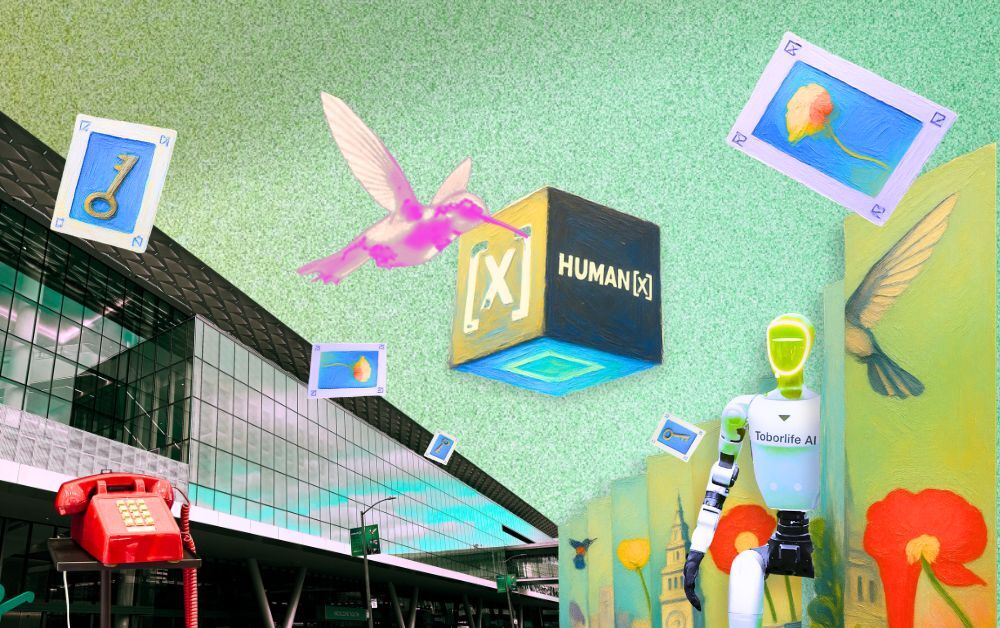
Your brain won’t know its own thoughts from machine code in a decade. That’s the cheery forecast from HumanX 2026, where tech titans dropped bombshells that hit regular folks hardest—job losses, bot-overrun internet, AI hype masking real risks.
Ray Kurzweil didn’t mince words.
“People think, okay, there’s my intelligence and there’s AI. AI is not part of me, but it’s actually going to be part of you. It’s going inside your brain by the early 2030s… and you won’t be able to tell whether a premise is coming from yourself or from your computational AI.”
Blunt. Terrifying. And classic Kurzweil—painting singularity as inevitable upgrade, not privacy nightmare.
Why AI Brain Implants Scare Regular People
Imagine debugging your own impulses. Did that urge to binge-scroll come from you, or some neural implant optimizing your dopamine? By 2030s, Kurzweil bets we’ll all be cyborgs, blurring human will with silicon suggestions. Fine for elites with therapists on speed dial. For the rest? Mental chaos, therapy bills through the roof.
But here’s the acerbic truth these conferences gloss over: this isn’t progress; it’s a rerun of the smartphone trap. We got hooked on pocket computers that hijack attention—now they’re going intracranial. Vendors will sell ‘upgrades’ like premium app subscriptions. Resist? Good luck competing in a world where rivals think faster, courtesy of Neuralink 2.0.
Al Gore nailed the human cost, drawing parallels no one wants to hear.
A single sentence. Brutal.
Globalization gutted factories without safety nets. AI does the same to white-collar gigs—coders, analysts, even execs simulating mergers via digital twins. Phil Wiser of Paramount gushed about that: create virtual companies, crash-test integrations, spot synergies nobody sees today. Cool for CTOs. Catastrophic for the mergers-and-acquisitions drones now redundant.
Will AI Agents Kill the Human Web?
Guillermo Ranch, Vercel’s CEO, dropped a stat that should chill content creators.
“Upwards of 70% of [our] page views are coming from agents. And only 30% from humans. So the user of the internet is changing.”
Seventy percent bots. Your blog? Your e-commerce site? Optimized for algorithms, not eyeballs. Humans become spectators in our own digital playground. Ranch sees evolution; skeptics see a ghost town where publishers starve as AI scrapes, summarizes, and supplants.
Tom Hale of Oura hammered data bias—women excluded from trials till ‘92, and LLMs still spit outdated advice.
“Women were not included in most clinical trials until 1992. Unbelievable. Crazy, right? … if you ask a medical question in most of the large language models, they don’t know that actually you need to only look at studies that were done later.”
AI’s blind spots kill. Literally, for patients relying on flawed models.
And don’t get me started on the soul debate. Loredana Crisan at Figma invoked Björk: blame the designer, not the machine, for soulless output. Fair. But when agents run 70% of traffic, who designs the designers?
Databricks’ Ali Ghodsi skewered nation-state AI races.
“Nations are saying, ‘Hey, we have a leaderboard. And whoever makes the leaderboard gets a prize,’ or so on. The problem with that is that then token maxing happens, right? … If your goal is just to burn a lot of money, there are easy ways to do that. This stuff. So that’s not really useful. It’s also just going to cost a lot of nations money.”
Token maxing. Governments flushing billions on benchmarks that measure nothing real. Echoes the space race—flashy wins, empty calories.
Is Shopify for AI Agents the Next Bubble?
Tomasz Tunguz dreamed big: a Shopify where ideas spawn agent-run businesses over cocktails. Side hustles on autopilot. Seductive pitch. But agents need oversight—Navrina Singh of Credo AI warned giants like Cisco against vibe-coded startups slurping enterprise data.
“If I am Cisco, or if I am Disney, I want to make sure that I’m not just getting a vibe-coded startup to come in and basically get access to my entire enterprise data.”
Vibe-coded. Perfect dig at sloppy AI wrappers passing as innovation. Enterprises won’t hand keys to the kingdom lightly.
Bret Taylor pushed engineers: lean in or lag.
“If you’re a software engineer now and you’re not leaning into these tools, you’re probably not being a self-actualized version of yourself.”
Self-actualized. Maslow meets machine learning. Pressure cooker for devs fearing obsolescence.
Sridhar Ramaswamy of Snowflake admitted the paranoia: seize AI or get steamrolled by rivals. Daniel Lurie, San Francisco’s mayor, reminded everyone the city’s lifeblood is tourism, not tech unicorns.
Fei-Fei Li cringed at ‘Godmother of AI’ labels. Humble deflection amid god-talk.
Unique insight: This all reeks of 1990s dot-com fervor—hype agents as infinite arbitrage machines, ignoring the 2000 crash when vaporware met reality. HumanX 2026 mirrors that: bold visions, zero talk of regulation. Without Gore-style prep—retraining, UBI pilots—we’re barreling toward AI globalization without guardrails. Prediction: by 2030, agent economies flop under data poisoning and hallucination scandals, forcing a messy reset.
What we’re not doing? Benefiting all, as one speaker lamented. Elites feast; workers fend.
San Francisco’s tourism trumps AI dreams. Grounded reminder amid the futurism.
How Does This Hit Fintech?
Fintech’s ground zero. Agents could automate lending decisions, fraud detection, personalized wealth bots. Snowflake’s Ramaswamy feels the heat—don’t snooze, or competitors agent-ify your stack. But risks abound: biased models (Oura’s point), insecure data flows (Singh’s warning), bot-driven markets where humans can’t compete.
Digital twins for M&A? Fintech acquirers salivate—simulate Stripe buying Plaid 2.0 without the antitrust headache. Yet, if 70% web traffic’s bots, how do fintechs reach customers? SEO dies; agent marketplaces rule.
🧬 Related Insights
- Read more: [Staff Statement] Crypto UI Broker-Dealer Registration Alert
- Read more: Bittensor’s TAO Braces for 45% Wipeout: Decentralized AI’s Big Lie Exposed?
Frequently Asked Questions
What did Ray Kurzweil predict at HumanX 2026?
AI implants in brains by early 2030s, blurring human and machine thoughts.
Are AI agents already dominating the internet?
Yes—Vercel reports 70% page views from agents, just 30% humans.
Will AI cause mass job losses like globalization?
Al Gore warns yes, without preparation for vulnerable roles.