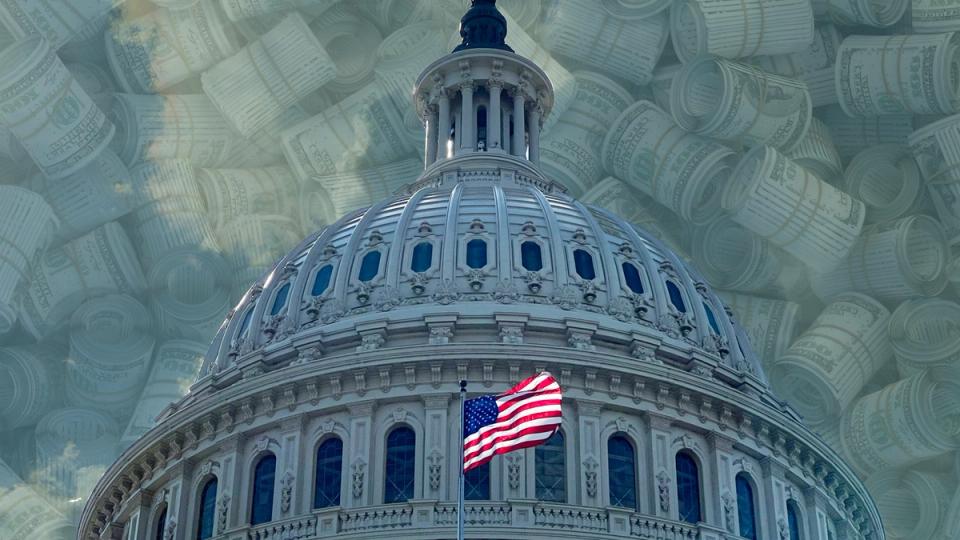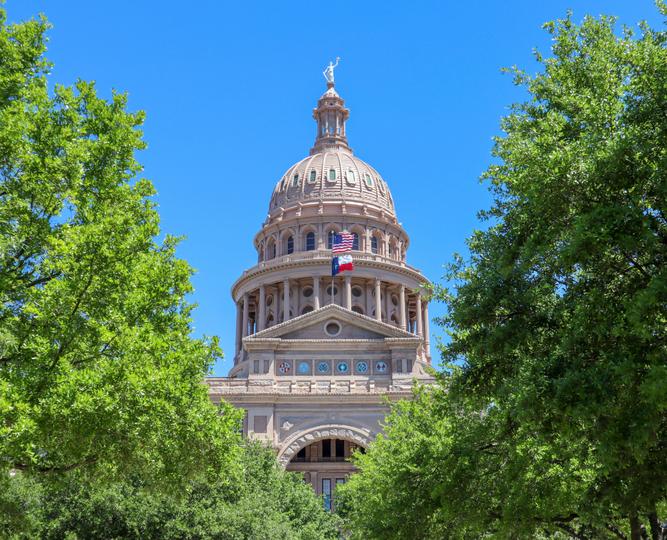
The dust is settling in Texas, and the message is clear: crypto money isn’t just for buying Bitcoin anymore. Political Action Committees aligned with the digital asset industry just dropped over $10 million in federal primaries, backing six candidates. This isn’t a handshake; it’s a full-blown electoral assault.
Fairshake PAC, a major player in this game, boasts a war chest of over $193 million. Don’t think they’re saving it for a rainy day. They’ve already signaled their intent: more pro-crypto candidates in the 2026 midterms. It’s a clear strategy. They’re not just participating; they’re trying to dictate terms.
“Rep. Green’s defeat proves that anti-crypto hostility carries real electoral consequences, making him the first Democratic incumbent this cycle to lose his seat,” Fairshake spokesperson Geoff Vetter crowed. Translation: mess with crypto, lose your job. It’s a blunt threat, delivered with the finesse of a sledgehammer.
The Shifting Sands of Influence
With primaries heating up across the country – California, Iowa, Montana, New Jersey, New Mexico, and South Dakota all holding crucial votes on June 2nd – the crypto lobby is spreading its bets. Protect Progress, another PAC, has also chipped in, backing Democrats with around $500,000 for various House and Senate races. It’s a bipartisan effort, sort of. They’re not picky about the party, just the policy.
And then there’s the curious case of Katie Porter. Fairshake famously spent $10 million in 2024 ads tearing her down for her Senate run. Now, she’s resurfaced as a California gubernatorial candidate. Will the crypto PACs engage again? Their silence is deafening. Vetter, the spokesperson, offered a masterclass in dodging the question, citing a refusal to “comment on strategic decision-making.” Translation: they’re deciding, and they’re not telling us.
Meanwhile, Ripple co-founder Chris Larsen is hedging his bets, contributing to Porter’s campaign and a Republican challenger. It’s a classic move: cover your bases, hope something sticks. The prediction markets, bless their hearts, aren’t exactly optimistic about Porter’s chances. She’s sitting at a measly 1% to advance.
A Glimpse into the Future?
This isn’t just about individual races. It’s about establishing a beachhead. The crypto industry, often criticized for its Wild West reputation, is now playing the long game in Washington. They’re not just lobbying; they’re funding the candidates who will eventually write the rules. Think of it as buying a seat at the table, but instead of a check, you’re writing one – a very, very large one.
This level of coordinated spending suggests a maturation of the crypto industry’s political engagement. It’s a shift from reactive defense to proactive offense. They’ve learned that influence isn’t just built through think tanks and white papers; it’s built through the ballot box. The sheer volume of cash being deployed is a stark reminder that in American politics, money still reigns supreme. And the crypto crowd has learned to spend it very, very effectively.
Is this a sustainable model? Or a flash in the pan fueled by market highs? The sheer ambition is undeniable. They’re not asking for permission; they’re buying their way in. The question isn’t if they’ll succeed, but how much and at what cost to the democratic process itself. It’s a story that’s far from over.
Fairshake was the difference-maker in this race, and we will continue to aggressively back leaders like Rep. Menefee across the country.
That’s not just a quote; it’s a declaration of war on political indifference. Or at least, indifference to their specific financial interests.
Why Should You Care About Crypto PAC Spending?
The money flowing into political campaigns from crypto-aligned PACs isn’t just about backing specific candidates. It’s about shaping the regulatory environment for an industry that has, to put it mildly, had a complicated relationship with existing financial frameworks. If these PACs are successful in electing sympathetic lawmakers, we could see a significant shift in how digital assets are regulated. This impacts everything from consumer protection to the types of financial products available. It’s a direct line from your investment portfolio to the political arena.
What Does This Mean for the 2024 Election Cycle?
While these PACs are looking ahead to 2026, their current spending is a clear indicator of the resources they’re willing to deploy. The Texas primary wins are a psychological boost, proving their strategy can yield results. Expect to see continued, and likely increased, spending in key races leading up to November. They’re not just playing defense anymore; they’re trying to build an offense that can withstand future regulatory scrutiny. This isn’t a fringe movement; it’s a well-funded, strategically focused political force that’s just getting started.
🧬 Related Insights
- Read more: Circle’s cirBTC Gambit: Why Stablecoin Issuers Are Suddenly Obsessed With Wrapped Bitcoin
- Read more: PayDo Integrates Stablecoins; BVNK Partnership Fuels Growth
Frequently Asked Questions
What does Fairshake PAC do? Fairshake PAC is a political action committee that aims to elect candidates supportive of the cryptocurrency and blockchain industry. They engage in campaign spending, advertising, and other political activities to advance their goals.
How much money have crypto PACs spent? Records show that crypto-aligned PACs spent over $10 million combined on supportive media and ads for six candidates in the Texas primaries. Fairshake PAC alone had over $193 million in its war chest as of January.
Will crypto PACs influence the upcoming elections? Their significant spending and reported successes in primary elections suggest a strong intention and capacity to influence upcoming elections by backing pro-crypto candidates and opposing those who are not.