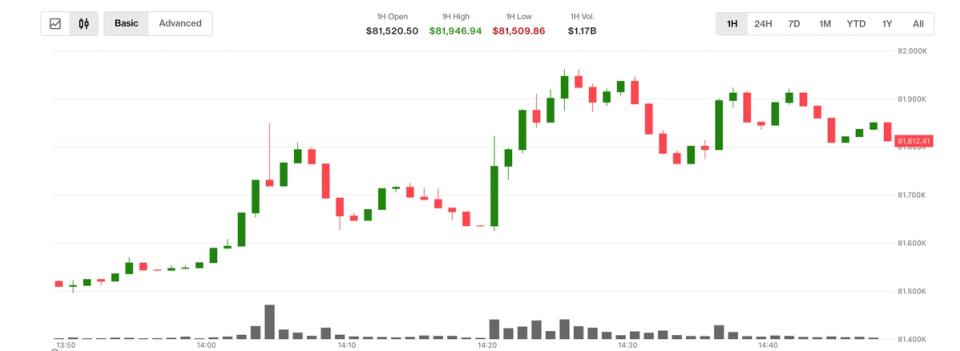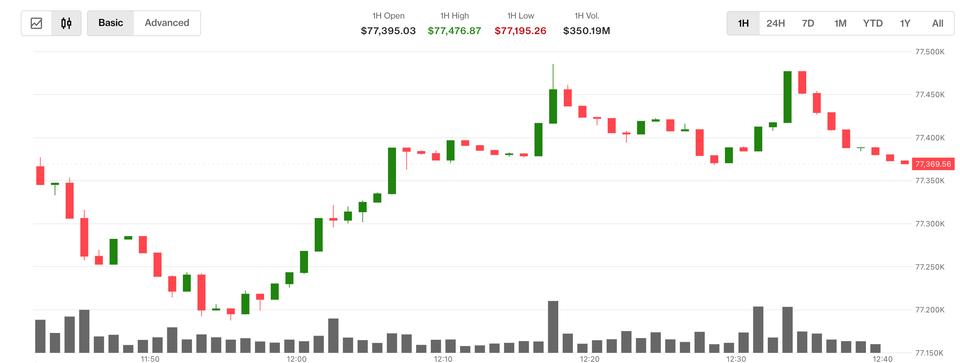
Bitcoin nudged past the $77,000 mark again, a level that feels as stable as a Jenga tower in an earthquake these days. Look, I’ve seen enough tech booms and busts to know that when the price of a digital asset shoots up on the back of geopolitical rumblings and a commodity price dip, it’s time to put on the skepticism goggles. We’re talking about oil, specifically West Texas Intermediate, taking a more than 5% nosedive, trading around $91 a barrel. This slide, apparently, is tied to whispers of a reopened Strait of Hormuz – a critical oil artery. And wouldn’t you know it, that’s supposed to be good news for Asian equities, which promptly rallied, and by extension, for the crypto sentiment.
Is This a Real Recovery or Just a Ripple?
Bitcoin hit $77,200 at one point, just clinging to the coattails of its 50-day moving average, a line in the sand that analysts are watching like hawks. Other major cryptos? Yeah, they’re ticking up a bit, but Ether, XRP, and Solana are all still playing catch-up, languishing below their own 50-day averages. It’s like they’re invited to the party but can’t find the VIP section.
The big question, as always, is who’s actually cashing in here. The narrative is that a potential deal to de-escalate tensions between the US and Iran, and the subsequent fall in oil prices, is the magic bullet. This, in theory, should make investors feel safer putting their money into riskier assets, like Bitcoin. But here’s the dirty secret: more than $2 billion has bled out of spot Bitcoin ETFs in the last two weeks. That’s not exactly a roaring endorsement from the institutional crowd.
“For crypto, the key signal is whether ETF outflows slow. Bitcoin can absorb some institutional selling if stablecoin liquidity remains firm and long-term holders stay patient. Sustained ETF redemptions would make every rally harder to hold.”
This quote, from Timothy Misir of BRN, cuts right to the chase. The talk about oil and geopolitics is fine, but the real money – or lack thereof – is showing up in the ETF flows. If those redemptions don’t slow down, all these price pops are just temporary reprieves before the next leg down.
Why Does This Matter for Developers?
Forget the price action for a second. What’s more interesting is the underlying machinations. The narrative around crypto being a hedge against inflation or a store of value is always a tough sell when its price is so tightly correlated with traditional market sentiment swings driven by oil prices and geopolitical posturing. This isn’t the independent, revolutionary financial system that some evangelists promised. It’s just another asset class, albeit a highly volatile one, getting tossed around by the same old global economic winds.
For developers building on blockchain, this means the market is still far from predictable. The allure of a decentralized future is strong, but the immediate reality is that the success of crypto projects is still heavily influenced by macroeconomics and the whims of institutional investors, who are clearly showing their cards with those ETF outflows. They want to see stability, and right now, the crypto market is anything but stable.
Even CoinSwitch, an India-based exchange, is pointing to exchange data for sell-side pressure. They noted 18,528 BTC moving net into centralized exchanges, a move that often precedes a dump. It’s a classic case of old-school market indicators meeting new-school assets.
So, while Bitcoin might be trading above $77,000 today, don’t confuse a brief gust of wind with a sustained tailwind. The real story isn’t the headline price; it’s the institutional capital fleeing the scene and the underlying economic currents that dictate which way the digital tide will ultimately flow. Anyone betting on crypto as a safe haven right now is playing with fire. And that fire, my friends, tends to burn.