For months, the narrative around transformative tech was almost exclusively whispered in hushed tones about Bitcoin’s next halving or the promise of decentralized finance. Investors were bracing for further volatility, calibrating their portfolios for the unpredictable swings that have become crypto’s hallmark. The expectation was a continued, albeit perhaps nervous, dance between speculative digital assets and the established financial order.
Then came the AI tidal wave. Suddenly, the conversation has a new — and far more tangible — epicenter: memory chip manufacturers. Micron Technology, a company barely clinging to a $70 billion valuation a year ago, has rocketed past the $1 trillion market cap mark, a feat mirrored by South Korea’s SK Hynix. Even Samsung Electronics, the titan of tech, has joined this exclusive club. This isn’t just a market correction; it’s a seismic shift in where investor capital is finding its footing.
The AI Engine Room Roars
What’s driving this meteoric ascent? Simple: Artificial Intelligence. The insatiable demand for processing power, the bedrock of any meaningful AI application, is creating an unprecedented crunch in semiconductor supply. Analysts aren’t just predicting shortages; they’re forecasting them to persist well into 2028. This isn’t a speculative bubble fueled by hype; it’s a supply-and-demand imbalance playing out in real-time on the stock market, translating directly into pricing power for these chipmakers.
Micron’s pre-market surge of an additional 8% on Wednesday, with the Nasdaq also nudging upwards, underscores the sheer momentum behind this sector. It’s a stark contrast to the somber mood enveloping another once-hyped market.
Bitcoin’s Sentiment Meltdown
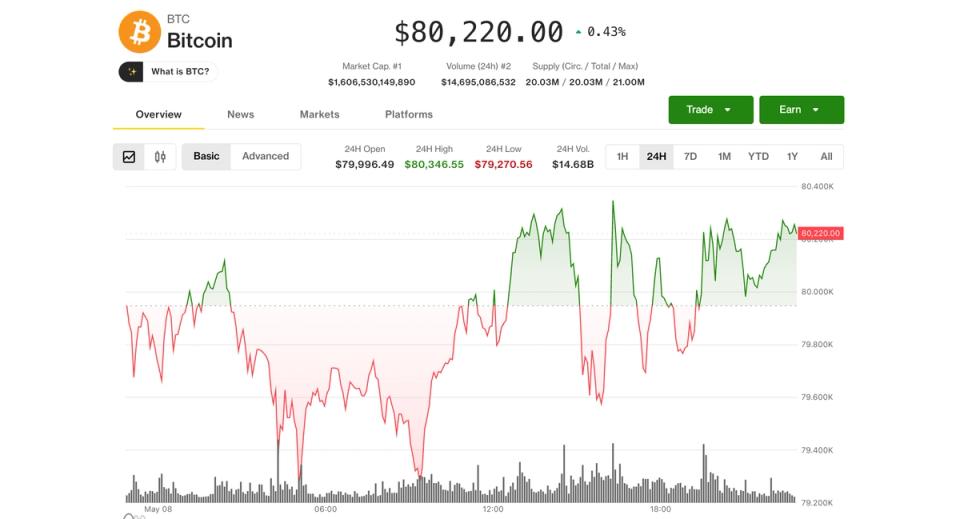
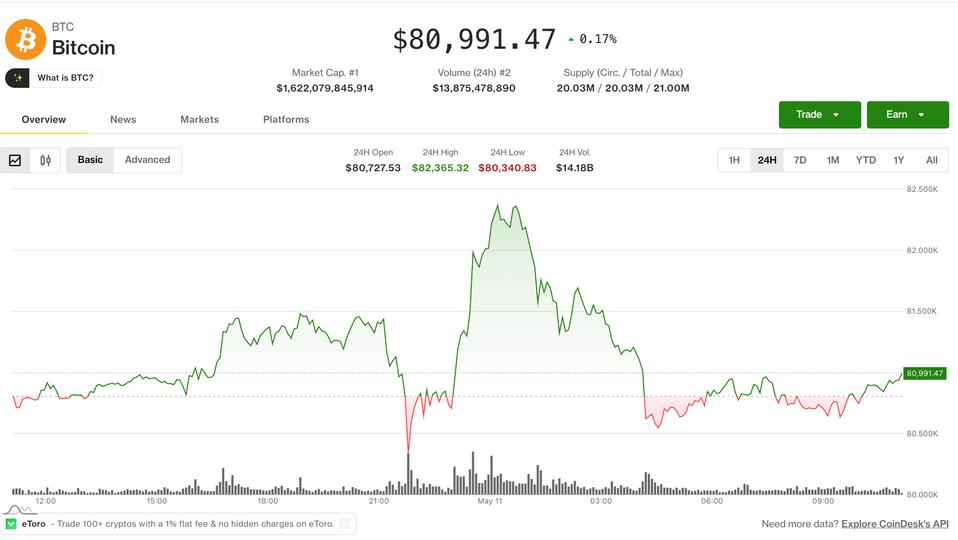
Meanwhile, Bitcoin is down 1.5% in the last 24 hours, languishing around $75,800. The once-dominant cryptocurrency is finding itself increasingly ignored. Capital is not just flowing away from crypto; it feels like it’s actively fleeing, drawn by the undeniable gravitational pull of AI-related hardware. Despite some recovery from earlier February lows, the overall sentiment for crypto assets remains undeniably bleak.
As analyst James Check pointedly observed earlier this week, “Nobody cares about bitcoin right now … and you just love to see it. Bitcoin sentiment is in the absolute gutter, and the bears are measurably the most confident they have been in a long time.” His summation — “Anger, annoyance, disappointment, it’s all happening right now” — perfectly captures the palpable despair within the crypto community.
“Bitcoin sentiment is in the absolute gutter, and the bears are measurably the most confident they have been in a long time.”
This isn’t just a temporary dip; it’s a profound recalibration of what constitutes the leading edge of technological investment. While crypto proponents often speak of future-proofing and disruptive potential, the chipmakers are delivering immediate, tangible results – processing power that underpins every AI breakthrough you see reported. It’s the difference between a dream and the engine that builds it.
Why This Matters for the Tech Ecosystem
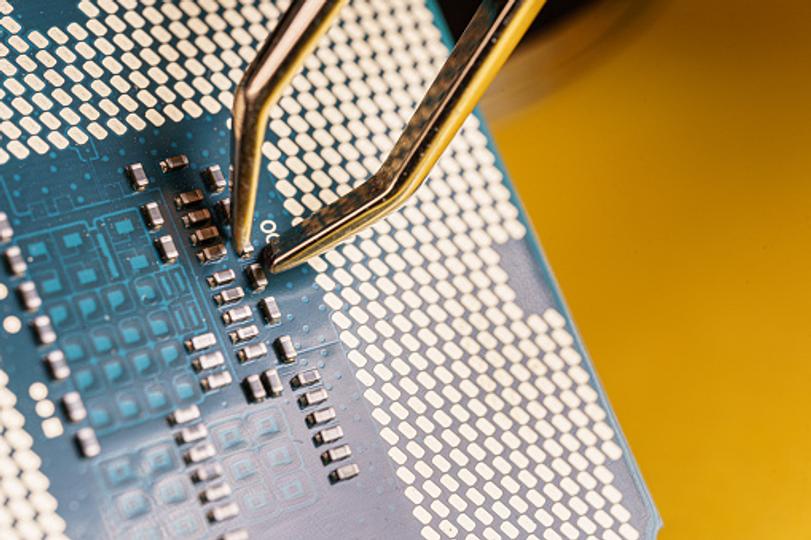
The rise of memory chip giants to a trillion-dollar valuation is more than just a stock market story. It’s a clear architectural statement about where technological progress is happening and where the money follows. AI isn’t just a concept anymore; it’s a physical reality built on silicon. The infrastructure required to support it — the GPUs, the high-speed memory, the advanced packaging — is becoming the new blue chip. This shift means that the companies providing the foundational hardware, the unsung heroes of the digital age, are now commanding the highest valuations.
This has implications across the board. For developers, it means the tools and platforms they rely on will likely be built with AI-first considerations at their core, driven by the very hardware that’s now in such high demand. For investors, it’s a stark reminder that while digital assets can offer speculative upside, the real, enduring value often lies in the physical infrastructure that makes innovation possible. It’s a return to the basics, albeit at a staggeringly advanced level.
Could this be the moment the world finally acknowledges that the AI revolution isn’t just about software, but the relentless, physical innovation in hardware that powers it? It certainly looks that way. The trillion-dollar club now has some new, very important members, and Bitcoin is noticeably absent from the guest list.
🧬 Related Insights
- Read more: Bitcoin Volatility Nosedives, Defying Macro Fears
- Read more: Robinhood’s Revenue Problem: Still Trading!
Frequently Asked Questions
What is the significance of Micron and SK Hynix reaching $1 trillion valuations?
Their massive market capitalization highlights the immense investor confidence in the AI boom and the critical role of semiconductor manufacturers in providing the necessary hardware. It signifies a major shift in capital allocation towards foundational AI infrastructure.
Why is Bitcoin’s sentiment described as being in the “gutter”?
Capital and investor attention are being diverted from cryptocurrencies like Bitcoin towards the more tangible and immediate returns being seen in AI-focused technology stocks, particularly memory chip makers, leading to a widespread lack of interest and confidence in Bitcoin.
Will the demand for AI chips continue for the next several years?
Yes, analysts widely expect the current shortages and high demand for AI-related chips to persist, with projections indicating the trend could last into 2028 due to the accelerating pace of AI development and adoption.