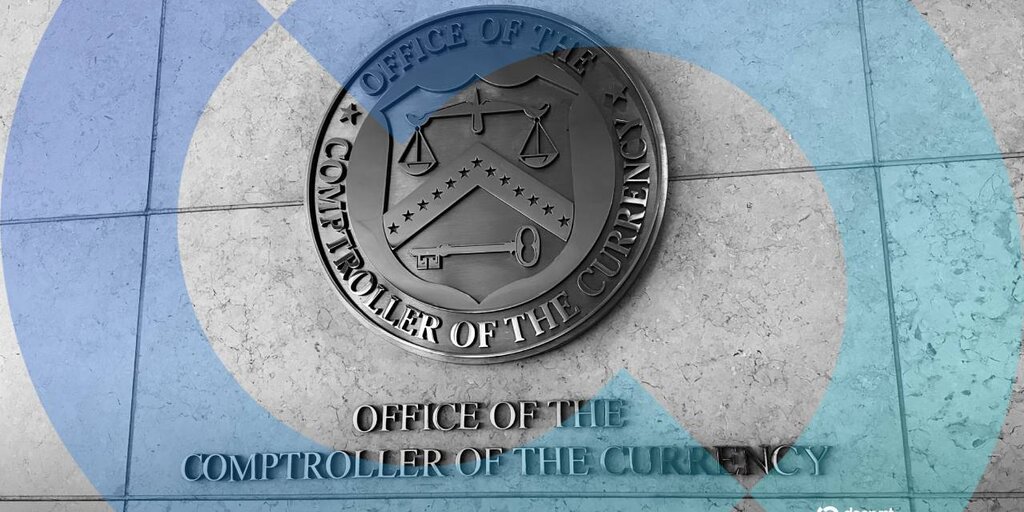
Senator Elizabeth Warren’s office likely received a frosty reception when it demanded answers about why the Office of the Comptroller of the Currency (OCC) was handing out bank charters to crypto outfits.
Look, the gist is this: Warren, a senator who fancies herself a watchdog, smells a rat. Specifically, she’s got her knickers in a twist over the OCC’s approval of charter applications for a veritable crypto all-star team: Coinbase, Crypto.com, Ripple, Stripe, BitGo, Circle, Fidelity Digital Assets, Protego Holdings, and Paxos. Her beef? These companies, she argues, are trying to skip town on the same “fundamental safeguards and obligations” that traditional banks have to live by. She’s also hinting, rather unsubtly, that perhaps some White House influence is at play.
Now, the OCC, bless its bureaucratic heart, isn’t exactly rolling over. Per Carbone, speaking on behalf of a crypto advocacy group, they’re basically saying, “Show us the law where we messed up.” It’s a fair point, really. If you think someone’s broken a rule, you point to the rule. Saying “this seems wrong” is less a legal argument and more a toddler’s tantrum.
Is This Just Political Theater?
Warren’s timing is also a bit… coincidental. Her concerns are surfacing as the OCC is also wading through applications from the Trump family-backed World Liberty Financial and Kraken’s parent company, Payward. Coincidence? Or is the senator just trying to muddy the waters before any more digital asset players get their golden tickets? It certainly smacks of political maneuvering, a time-honored tradition on Capitol Hill, especially when families with presidential connections are involved.
Payward, for its part, is upfront about its intentions: it wants to offer fiduciary custody and other services for digital assets. Meanwhile, Warren previously tried to slap a delay on World Liberty’s application, citing conflicts of interest tied to Donald Trump’s business dealings. One wonders if she’d be this vocal if the applicants were, say, her own campaign donors.
And the OCC’s list? It’s growing. Fourteen digital asset companies have already thrown their hats in the ring. This isn’t a small fringe movement; it’s a significant regulatory hurdle that’s forcing established financial institutions to either adapt or get left behind. The question isn’t if digital assets will have a place in the regulated financial system, but how they’ll get there. Warren seems determined to make that journey as bumpy as possible.
Where Does the Law Actually Draw the Line?
The core of the issue boils down to regulatory authority and the interpretation of existing banking laws. Senator Warren’s argument hinges on the idea that these crypto firms are attempting to operate under a less stringent regulatory framework than traditional banks, effectively getting a free pass on crucial consumer protection and financial stability measures. She believes the OCC is overstepping its bounds by granting charters that might allow this.
On the other side, the OCC and its supporters argue that they are acting within their legal mandate to charter financial institutions. They contend that existing laws provide a framework for these types of applications, and that the OCC is simply applying those laws to a new asset class. The advocacy group’s demand for specific statutory citations underscores this point: if Warren believes the OCC has exceeded its authority, she needs to demonstrate it with legal precedent, not just general concern.
This isn’t the first time a new technology has forced regulators to play catch-up. Think of the early days of the internet and how laws had to be adapted to e-commerce. Or the advent of fintech, which similarly stretched existing banking regulations. Each time, there’s a period of intense debate, legal challenges, and eventually, new interpretations or outright legislative changes. The crypto charter saga is just the latest chapter in this ongoing story of innovation bumping up against regulation.
My own take? Warren’s concerns about safeguards aren’t entirely unfounded, but her approach feels more like a public relations campaign than a serious legal challenge. The OCC, for all its faults, is trying to grapple with a rapidly changing financial landscape. If the goal is to ensure financial stability and consumer protection, then the debate needs to be grounded in clear legal principles and practical enforcement, not just political soundbites and thinly veiled accusations.
“If Senator Warren believes the OCC exceeded its authority, the appropriate response is to identify where the statute draws the line she says was crossed. We’d welcome that debate. But ‘this seems wrong’ from a member of the Banking Committee isn’t a legal argument.”
The digital asset industry, meanwhile, is in a perpetual state of motion, pushing the boundaries of what’s possible. Whether they’re seeking full bank charters or operating under different licenses, their trajectory is clear: more integration into the mainstream financial system. The current clashes are merely growing pains in that evolution.
The real question is whether the regulatory framework can adapt quickly and effectively enough to keep pace without stifling innovation entirely. And whether voices like Warren’s are pushing for genuine protection or simply trying to slam the brakes on an industry they don’t fully understand—or perhaps, one that doesn’t align with their political agenda.
This dance between innovation and regulation is as old as finance itself. But with crypto, the pace is blistering. Expect more fireworks.