Digital Assets, Legal Clarity Needed.
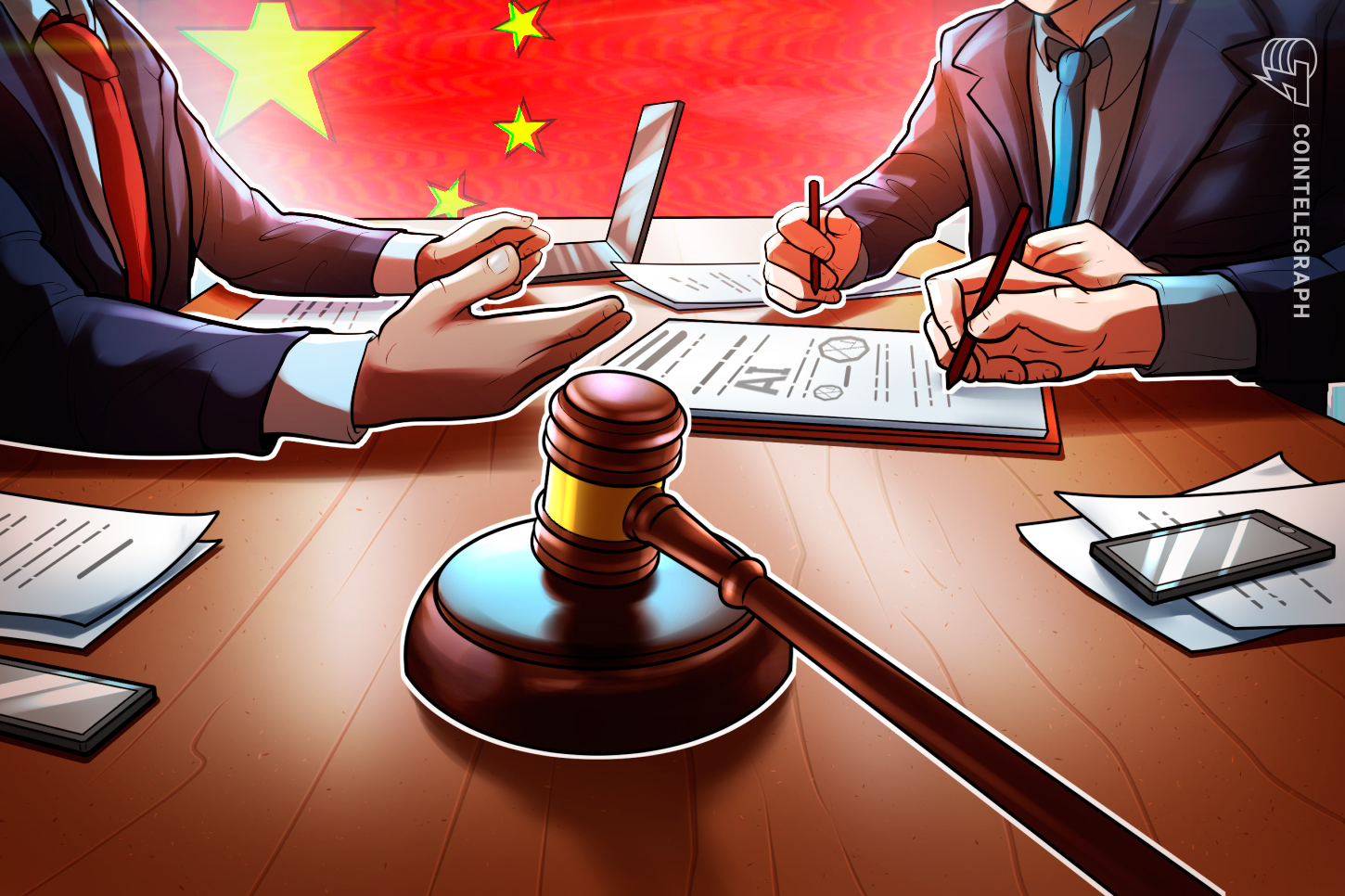
China’s Supreme People’s Court is preparing to examine new rules concerning cases involving cryptocurrency and artificial intelligence. This move comes at a time when global regulators are grappling with how to integrate and control these rapidly advancing sectors. The court’s attention suggests a growing recognition that existing legal frameworks may be insufficient to address the novel challenges posed by blockchain technology and advanced AI systems. It’s a stark contrast to Beijing’s historically restrictive stance on cryptocurrencies. We’ve seen a steady stream of outright bans and prohibitive measures over the past decade, a pattern that makes this judicial review all the more noteworthy.
The People’s Bank of China (PBOC) laid down its initial prohibitive markers back in December 2013, declaring that financial institutions couldn’t offer Bitcoin-related services and, critically, that Bitcoin wasn’t a recognized currency. This was merely the opening salvo. Fast forward to September 2021, and the regulatory hammer fell with considerable force. A coalition of ten Chinese agencies, including the central bank and securities watchdogs, enacted a sweeping prohibition on all crypto transactions, Bitcoin mining, and ICO-related activities within the country. It was about as comprehensive a ban as one could imagine.
And the stringent approach didn’t stop there. This February, the PBOC again stepped in, banning the issuance of unauthorized offshore Chinese yuan-pegged stablecoins and any unapproved tokenized real-world assets (RWAs). This latest move occurred swiftly after the government gave commercial banks the green light to share interest with clients holding the country’s digital yuan – its own central bank digital currency (CBDC). This development signals a clear strategic direction from the PBOC: it’s doubling down on its efforts to launch its own yuan-backed CBDC as a distinct form of digital fiat money, an entity it can control, rather than relying on private stablecoins.
Is China Softening Its Stance on Crypto?
Frankly, that’s a loaded question. While the Supreme People’s Court studying rules for crypto cases might sound like a U-turn, it’s more likely a pragmatic recognition of reality. China’s previous bans were broad-strokes measures designed to stamp out perceived financial risks and preserve monetary control. But as the global digital economy matures, ignoring cryptocurrencies entirely becomes increasingly untenable, especially when innovation is occurring elsewhere. This judicial review isn’t about legitimizing Bitcoin as a currency – the PBOC’s stance on that hasn’t changed. Instead, it’s about defining the legal boundaries for related activities, perhaps in areas like intellectual property, contract law, or even dispute resolution where digital assets might play a role, albeit a highly circumscribed one.
One can’t help but draw a parallel to how other jurisdictions initially reacted to new technologies. Think of the early days of the internet and the legal quandaries it presented. Courts and legislatures eventually had to catch up. China’s approach seems to be one of cautious, controlled engagement, not open embrace. The focus on its own digital yuan is paramount. It’s about channeling digital finance through state-controlled channels, not empowering decentralized alternatives. This is a critical distinction.
AI: A New Frontier for Legal Scrutiny
AI presents a different, albeit equally complex, set of challenges. Unlike crypto, which has a clear transactional and asset-based component, AI’s impact is more diffuse, touching everything from intellectual property generation to algorithmic bias and liability for autonomous systems. The court’s consideration of AI cases suggests that Beijing wants to establish clear parameters for AI development and deployment within its borders. This could involve rules around data usage, algorithm transparency, and accountability for AI-driven decisions. Given China’s significant investments and advancements in AI, establishing a legal framework is not just prudent; it’s essential for its continued growth and integration into its economy.
This dual focus on crypto and AI by the nation’s highest court is significant. It underscores a recognition that these technologies, while distinct, are reshaping the financial and technological landscapes simultaneously. The challenge for China, as for any nation, will be to strike a balance between fostering innovation and mitigating risks, all within a legal structure that can adapt to the speed of technological change. The world will be watching to see what kind of legal architecture emerges from these deliberations.
The Supreme People’s Court is preparing to examine new rules concerning cases involving cryptocurrency and artificial intelligence.
The implications for global fintech are substantial. If China, a major economic power, begins to clarify its stance on these digital assets and technologies, it could influence regulatory approaches elsewhere. For companies operating in or looking to enter the Chinese market, understanding these evolving legal landscapes will be paramount. It’s less about a sudden embrace of decentralized finance and more about a methodical approach to governing the digital future, one judicial review at a time.
Key Developments
- Judicial Review: China’s Supreme People’s Court is actively studying new rules for crypto and AI cases.
- Historical Context: A history of strict crypto bans, including transactions, mining, and ICOs.
- CBDC Push: Strong emphasis on the development and adoption of China’s digital yuan.
- Stablecoin Restrictions: Bans on unauthorized offshore yuan-pegged stablecoins and tokenized RWAs.
- AI Governance: Growing need for legal clarity around AI development and deployment.
What This Means for Fintech
For the global fintech industry, this development signals a potential, albeit gradual, shift in China’s approach to digital assets and AI. While outright bans on cryptocurrency have defined its past, the court’s review suggests a move towards defining legal parameters. This could create specific, albeit limited, opportunities for compliance-focused fintech services or technologies that align with China’s strategic digital currency goals. However, the underlying restrictive ethos regarding decentralized finance remains. Simultaneously, the focus on AI underscores its importance within China’s economic strategy, prompting a need for legal frameworks that govern its use and development, which could impact AI-driven fintech solutions.