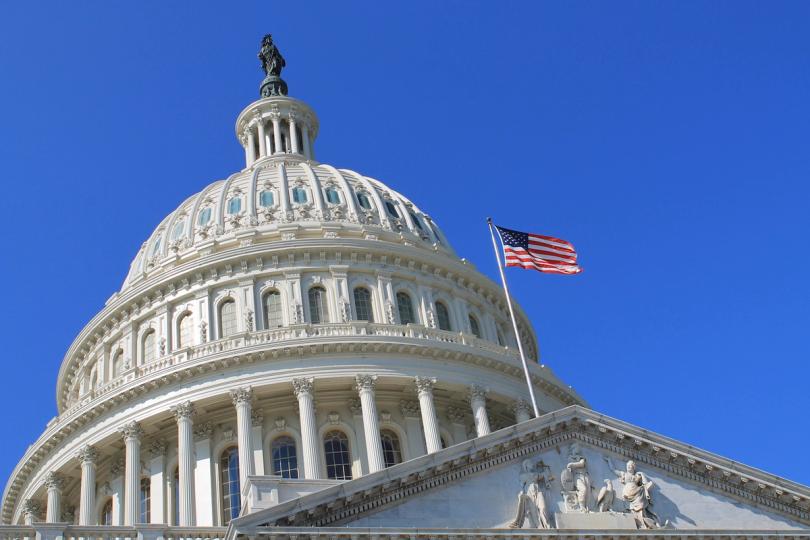
The sterile glow of a monitor, the faint hum of servers, and the ever-present scent of burnt coffee – that’s where the real innovation, or at least the promise of it, usually lives. But this week, the innovation talk is coming from the polished booths of Binance Online, courtesy of Ripple CEO Brad Garlinghouse. And what’s his grand pronouncement? That a little legislative doodad called the CLARITY Act is going to throw open the floodgates for institutional crypto adoption.
Let’s be clear: Garlinghouse isn’t exactly the first captain to steer this particular ship into the regulatory fog. He’s singing from the same hymn sheet as half the crypto world, lamenting the “long planning horizons” of banks and the fickle nature of SEC leadership. But the CLARITY Act, he insists, is different. It’s the great unblocker. “With the CLARITY Act, you’ll see the largest financial institutions leaning in in a way we’ve never seen before,” he chirped, according to Binance News.
Now, I’ve been around this block for twenty years, watching Silicon Valley churn out buzzwords faster than a faulty 3D printer. And “institutional adoption” is one of those phrases that always makes my cynical meter tick up a notch. It’s a nice, shiny promise, usually accompanied by charts showing exponential growth that conveniently ignore the regulatory quagmire or the actual profit margins. Who stands to gain the most when these “largest financial institutions” finally lean in? Hint: it’s rarely the average Joe trading Dogecoin.
Solana Foundation President Lily Liu chimed in, adding her voice to the chorus of legislative salvation. She slammed the previous administration’s “regulation through enforcement” – a common complaint among the crypto elite when the rules don’t perfectly align with their business models. Legislation, she argues, offers the clarity that shaky enforcement cannot. And apparently, this CLARITY Act isn’t just for Uncle Sam; it’s a global blueprint, thanks to the mighty U.S. economic influence. She even compared its potential impact to the GENIUS Act’s effect on stablecoins. Apparently, regulated financial institutions are just waiting for this legislative wink to “jump into blockchain.”
The Echo Chamber Effect: More Than Just U.S. Ambitions?
Binance CEO Richard Teng offered another piece of the puzzle, noting how jurisdictions like Hong Kong, the UAE, and Singapore often mirror U.S. regulatory trends. This is the real power play, isn’t it? The U.S. sets the stage, and everyone else scrambles to keep up. Teng cited the GENIUS Act again, claiming it not only spurred U.S. institutional action but also prompted international regulators to formulate their own stablecoin policies. Hong Kong, he pointed out, has already issued its own stablecoin and licenses. It’s a virtuous cycle for regulators, or perhaps just a well-orchestrated dance where only the largest players get the best partners.
Here’s the thing that grates: the CLARITY Act, like so many other proposed bills, reads like a wishlist from an industry that’s spent years operating in a legal grey zone. They want certainty, yes. But they also want the regulatory framework to bend, not break, around their existing (and often speculative) business models. It’s a delicate balancing act, and history shows that when big money is involved, clarity often comes at the cost of consumer protection or fair competition.
“The CLARITY Act would do the same for nonpayments use cases — regulated financial institutions being able to actually sort of jump into blockchain.”
This quote from Liu is telling. It’s not just about payments. It’s about a whole new suite of financial products and services built on blockchain, itching to be legitimized by the legacy institutions. But what does “jump into blockchain” really mean for the average investor? More complex products, more opaque fees, and the same old promise of outsized returns with inherent risks. We’ve seen this movie before, and the ending isn’t always a happy one for those on the cheap seats.
It’s easy to get swept up in the rhetoric of progress and innovation. But as a seasoned observer, I can’t help but ask: who’s really benefiting from this proposed legislative clarity? Is it the promise of a more efficient financial system for everyone, or is it simply about making it easier for the established financial behemoths to gobble up more market share in this burgeoning digital asset space? The CLARITY Act might bring certainty, but let’s hope it brings more than just opportunities for the already powerful.
Will Banks Actually Embrace This? The Skeptic’s View
Look, banks are not exactly known for their agility. They move at a glacial pace, burdened by legacy systems, layers of bureaucracy, and a healthy dose of risk aversion. For them to “lean in” to crypto, as Garlinghouse so optimistically puts it, requires more than just a new act of Congress. It demands a fundamental shift in their operational DNA, massive investments in new infrastructure, and a willingness to accept a level of volatility that makes their traditional spreadsheets look positively serene. While the CLARITY Act might remove one hurdle, it’s unlikely to magically transform risk-averse behemoths into agile crypto evangelists overnight. The real test won’t be the bill’s passage, but the slow, painstaking process of actual integration, which history suggests will be fraught with delays, pilot projects, and plenty of internal hand-wringing.