AI is here.
And not just as a fancy autocomplete tool or a slightly-too-enthusiastic chatbot. This is a platform shift. Think of it like the internet arriving, or the advent of electricity – fundamental, world-altering infrastructure that enables entirely new categories of innovation we haven’t even dreamed of yet.
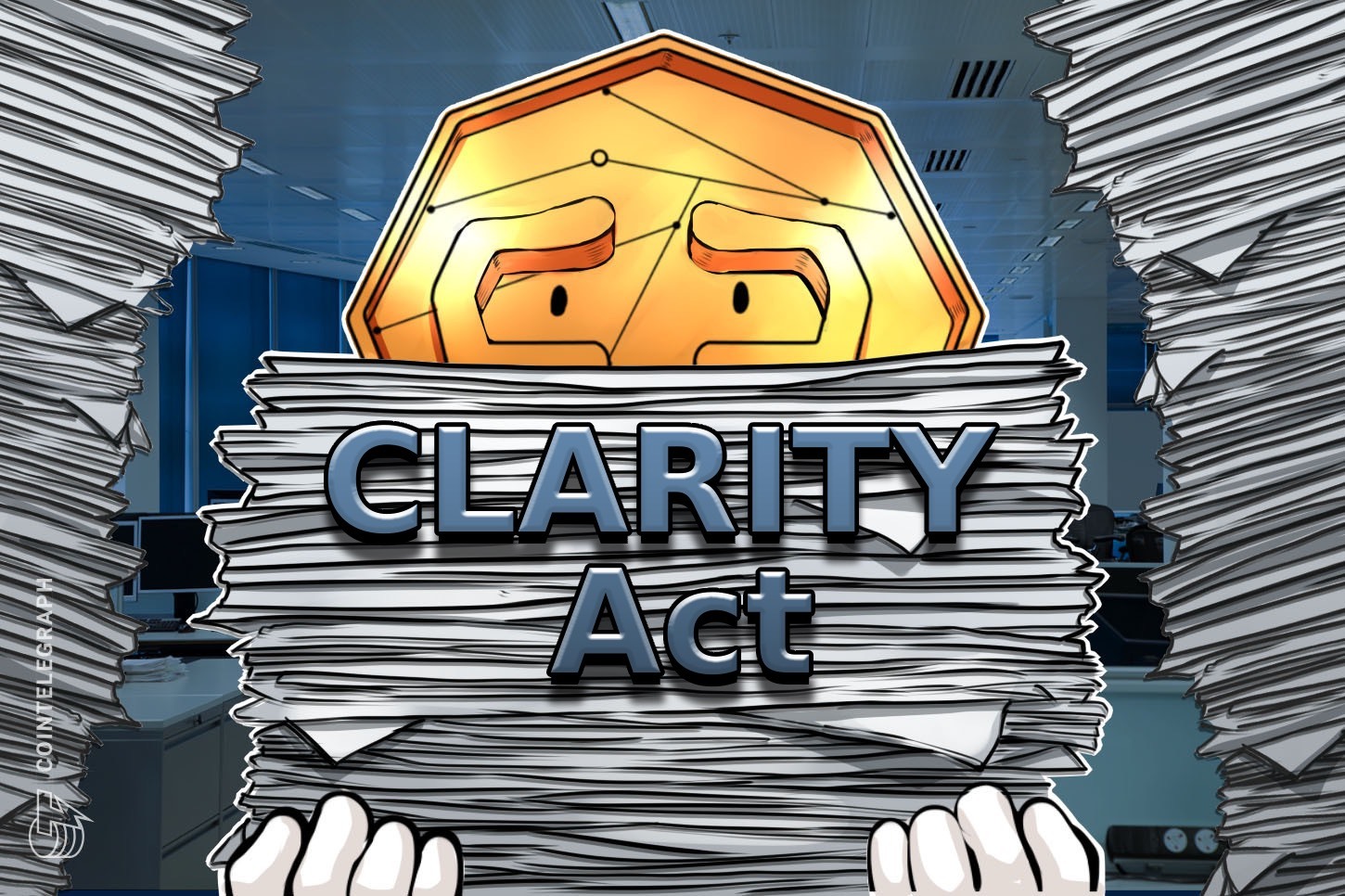
That’s the electrifying energy buzzing around the current legislative wrangling in Washington over stablecoins. It sounds dry, I know, but dig beneath the surface and you’ll see the seismic forces at play. Last week, whispers turned into concrete expectations: a compromise deal on stablecoin yields, brokered between crypto and banking industry reps, could grease the wheels for the CLARITY Act to barrel through the Senate Banking Committee. Some senators apparently wanted to tack on ethics language, a sensible move given the inevitable conflicts of interest that bubble up in these high-stakes negotiations, but the buzz is for passage in a matter of weeks.
This isn’t just legislative calendar-watching; it’s a frantic sprint. Coinbase’s US policy VP, Kara Calvert, openly stated last Thursday that her exchange expected a committee markup next week. Other lawmakers, brimming with optimism (or perhaps just a deadline), predicted the bill would become law before the Senate’s August break. Even the White House crypto advisor, Patrick Witt, is aiming for a July 4 deadline in the House, post a June Senate vote. This tempo, this urgency – it’s the thrum of a new era dawning.
The Token Tug-of-War
Here’s the crux of the drama: the proposed CLARITY Act, intended to bring some much-needed structure to the wild west of stablecoins, reportedly had a provision designed to curb the listing and trading of what are deemed “risky tokens.” You know, the speculative digital assets that can send portfolios soaring one minute and plummeting the next. And guess what? The big crypto exchanges, the very gatekeepers of this digital bazaar, weren’t having it. They’ve apparently been leaning hard on US lawmakers, whispering sweet nothings about innovation and market growth, all while subtly pushing for that risky token restriction to be summarily ejected from the bill.
It’s a classic case of incumbents trying to shape the rules to their advantage, but with a futuristic twist. Instead of oil barons lobbying against environmental regulations, we have digital asset exchanges arguing against safeguards for their own customers. The report highlights how these exchanges are essentially saying, “Let us keep listing those highly speculative assets, please and thank you.” It’s a bold move, and one that speaks volumes about the power of industry lobbying in shaping nascent technology regulation.
“Although some lawmakers said they intended to push for ethics language on potential conflicts of interest to be included in the bill, many are speculating that passage could be in a matter of weeks.”
This quote, folks, is the smoking gun. The speed at which this is moving, and the reported efforts to remove potential safeguards, suggests a concerted push to get something passed, rather than necessarily the right thing. The urgency isn’t just about clarity; it’s about control.
Why Does This Matter for Developers?
Beyond the boardroom battles and legislative chess matches, what does this mean for the builders, the coders, the architects of this new digital world? This isn’t just about finance; it’s about the foundational layers of the internet itself. When regulations are shaped by lobbying efforts that prioritize immediate profit over long-term stability and user protection, it sends a ripple effect through the entire ecosystem. For developers, it means navigating a landscape where the rules of engagement can shift on a dime, often influenced by the loudest voices with the deepest pockets, rather than by sound technical principles or genuine user safety.
It’s akin to building a skyscraper on a foundation that’s constantly being re-engineered by the highest bidder. While the promise of decentralized finance and blockchain technology is immense, its ultimate trajectory hinges on responsible governance. The actions of these exchanges, if the reports are accurate, highlight a potential tension between the rapid adoption of AI-powered trading and the need for a secure, predictable, and ethical environment for innovation to truly flourish. The decisions made now will dictate the very architecture of future financial applications, influencing everything from smart contract security to the integration of AI in trading algorithms.
The AI Angle – Unseen But Present
This whole stablecoin saga, while seemingly focused on traditional financial instruments, is happening at the precipice of AI integration. The speed of trading, the potential for sophisticated market manipulation, the sheer volume of data being processed – all of this is amplified by AI. If exchanges are lobbying to keep the doors open to “risky tokens,” and AI can analyze and exploit those risks at machine speed, then we’re essentially handing over the keys to a potentially volatile digital economy to algorithms without adequate guardrails. This isn’t just about how money moves; it’s about how AI will interact with and potentially govern our financial futures, and the CLARITY Act, in its current watered-down form, might be a missed opportunity to address those very real concerns before they become insurmountable.
We’re witnessing the formative stages of an AI-powered financial ecosystem. The CLARITY Act, despite its potential, might become less a beacon of regulatory certainty and more a cautionary tale about how quickly new technologies can outpace legislative intent when powerful interests push back. The fight over risky tokens is just the tip of the iceberg – a symptom of the larger challenge: how do we regulate systems that evolve at the speed of light, powered by intelligence that we are only just beginning to understand?
And that, my friends, is where the real wonder—and the real worry—lies.