Look, for months, the narrative around Bitcoin has been a pretty bullish one. ETFs finally got approved, institutional money started trickling (okay, pouring) in, and the halving was on the horizon. The general vibe? Straight ahead and up. We were talking about $88,000, maybe higher. The crypto faithful were already drafting victory speeches.
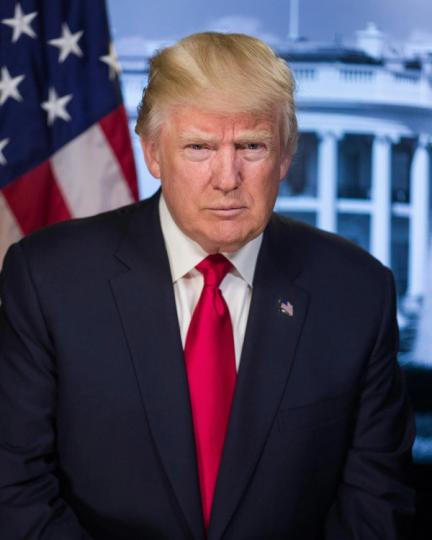
And then, President Trump, in his inimitable style, decided to spice things up by ordering a naval blockade of the Strait of Hormuz. Because apparently, the geopolitical chessboard needed a dramatic, high-stakes move right when crypto investors were feeling cozy. Suddenly, that steady march upward hit a snag. Bitcoin, which had been comfortably hanging above $73,000, took a nosedive, sinking below $71,000. Just like that.
What’s the playbook here? When global tensions rise, especially concerning vital oil chokepoints, traditional markets tend to get skittish. Investors often flee to perceived safe havens – you know, gold, the dollar, maybe even good old U.S. Treasuries. So, it’s not entirely shocking that a speculative asset like Bitcoin, which has been on a tear, would see some selling pressure.
But here’s the thing: this isn’t exactly unprecedented. Remember 2020? The U.S. killing of Iran’s top general, Qasem Soleimani, sent shockwaves, and crypto markets saw volatility. Or think back to other flashpoints – oil supply fears, trade wars, you name it. Bitcoin’s been around long enough to have experienced these tremors before. The question is, does it always have to react this way? Or are we just seeing the same old song and dance, with crypto now firmly embedded in the global financial orchestra, whether it likes it or not?
Why Does This Matter for Your Portfolio?
Honestly, it’s easy to get caught up in the tweet-driven drama. Trump announces a blockade, Bitcoin drops 2.5%. The news cycle is designed to make you react. But for those of us who’ve been watching markets for a while – and I’ve been doing this longer than some of you have been alive — there’s a deeper pattern here. It’s a reminder that even the most hyped digital assets are still tethered to the real world, with all its messy politics and potential for conflict.
“Effective immediately, the United States Navy … will begin the process of blockading any and all ships trying to enter, or leave, the Strait of Hormuz,” said the president in a social media post.
The more important factor, beyond the immediate price dip, is what this signifies. It shows that geopolitical risk is still a significant driver for Bitcoin. While many proponents champion Bitcoin as a digital gold, an uncorrelated asset that can act as a hedge against inflation and traditional market chaos, events like these highlight its interconnectedness. The narrative of Bitcoin as an independent digital haven faces its toughest test when the real world decides to throw a tantrum.
Who’s Actually Making Money Here?
Let’s cut through the noise. While the average Joe investor might be sweating as their BTC balance shrinks, there are always players who profit from volatility. Short sellers, for instance, would be rubbing their hands together. They bet on prices falling, and a geopolitical crisis is a pretty reliable catalyst for a short-term downturn. Then there are the whale investors – the big players who might use these dips as an opportunity to buy more at a discount, fueling the eventual recovery narrative that always seems to follow.
And let’s not forget the exchanges themselves. More trading volume, more fees. While the price might be down, the activity can be up, which is good for their bottom line. It’s a classic market dynamic: fear creates opportunity for some, panic for others.
The Privacy Paradox: A Distraction or a Deeper Concern?
Interestingly, buried within the CoinDesk report is a segment about crypto privacy models weakening as blockchain data grows. It’s a fascinating, albeit complex, topic. As more data gets logged on public blockchains, it becomes easier for AI and machine learning models to track and analyze transactions. This is particularly true for obfuscation-based privacy approaches. The report suggests that encryption-based models, like Zcash, are far more resilient. This isn’t directly tied to the Strait of Hormuz drama, but it’s a critical, long-term consideration for anyone involved in crypto. The very transparency that makes blockchain appealing for some can become its Achilles’ heel for others seeking anonymity. Who benefits from this data? Who can exploit it? These are questions that need answering, even if they aren’t as flashy as a presidential tweet.
For now, Bitcoin’s price is reacting to the headlines. The $71,000 level is a psychological marker. Whether it holds or not will depend on how the geopolitical situation unfolds and whether the bulls can regain control, fueled by those ETF inflows and on-chain signals that analysts keep mentioning. But don’t be surprised if the next big market move comes not from a technological breakthrough, but from a diplomatic incident or a military maneuver. It’s the world we live in, and apparently, it’s the world crypto lives in too.
🧬 Related Insights
- Read more: SoFi’s 24/7 Banking Hub Signals the End of Crypto’s Regulatory Underworld
- Read more: Nationwide Hits $4.3 Billion Operating Income—Up 37% Despite Wildfire Hell
Frequently Asked Questions
What does the Strait of Hormuz blockade mean for oil prices?
A blockade of the Strait of Hormuz, a critical chokepoint for global oil shipments, would likely lead to significant disruptions in supply. This typically causes oil prices to surge due to concerns about scarcity and increased shipping costs and risks.
Will Bitcoin recover from this dip?
Analysts point to strong institutional inflows and technical signals that suggest Bitcoin has potential for recovery. However, ongoing geopolitical tensions can introduce further volatility, making short-term predictions uncertain.
Are crypto privacy models really getting weaker?
The report suggests that as blockchain data grows, certain privacy models are becoming less effective against advanced analytical tools. Encryption-based solutions are generally considered more strong against these advancements.