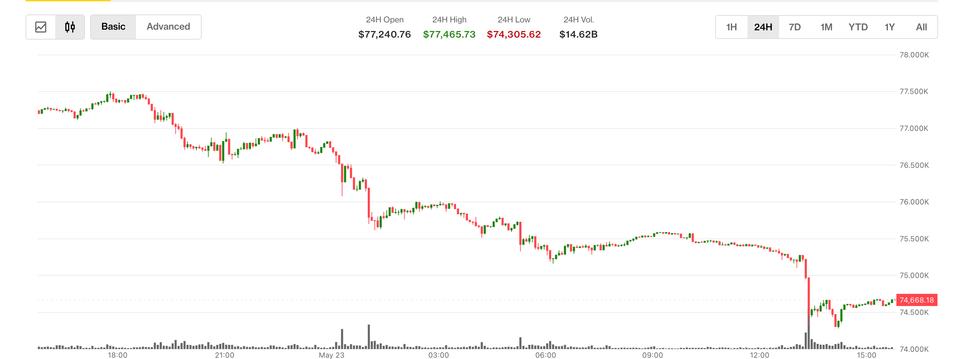
The narrative we’d been sold was clear: institutional capital was pouring into Bitcoin and Ethereum ETFs, a steady march towards mainstream crypto adoption. Monday, however, slapped that narrative with a cold, hard $112 million outflow. Bitcoin ETFs alone shed $105.2 million, while Ethereum followed with $6.7 million. This isn’t just a blip; it’s a signal, and it comes as geopolitical tensions tighten their grip on risk assets. Remember the optimism from the spot ETF approvals? Poof. Gone, at least for now.
Meanwhile, the market’s attention—or at least its capital—is increasingly drawn to a different story. Two Hyperliquid (HYPE) ETFs have now posted eight consecutive days of net buying, adding $10.95 million on Monday alone. This persistent inflow isn’t accidental; it’s a proof to a growing appetite for high-growth infrastructure plays, even as the established giants stumble. Last week saw a total of $1.47 billion exit digital asset investment products, the third-largest weekly outflow this year, according to CoinShares. Bitcoin funds were the primary culprits, shedding $1.315 billion—the year’s largest weekly outflow.
Why the Divergence? Risk-Off Sentiment vs. Targeted Growth
The immediate culprit for the broad outflows? Geopolitical jitters. CoinShares points directly to the escalating tensions around the Iran conflict, pushing investors beyond U.S. markets into perceived safer havens like Switzerland, Canada, and Hong Kong, all of which also saw outflows. It’s the classic flight to quality, or rather, a flight from perceived risk. When the global backdrop darkens, digital assets, regardless of their long-term promise, are often the first to feel the pinch.
But here’s the thing: this isn’t a uniform exodus from crypto. The Hyperliquid ETFs are proving that. Their streak began on May 13th, a steady drip turning into a consistent stream. The token itself has recently hit a new all-time high of $64.21, boasting a nearly 50% surge over the past month and a staggering 140% year-to-date gain. This rally is intrinsically linked to the successful launch of these ETFs and, more notably, the strategic backing from firms like Bitwise, which has committed to holding HYPE tokens directly on its corporate balance sheet—a significant signal of conviction.
This creates a fascinating dynamic: legacy digital assets are being punished by macro uncertainty, while newer, infrastructure-focused projects are finding their footing, even thriving, through targeted institutional support and demonstrable performance. It suggests a maturing market that’s becoming more discerning, differentiating between broad market exposure and specific growth opportunities.
The Real Drivers: Price Action and Yield Curves
Tim Sun, a senior researcher at HashKey Group, offers a pragmatic, data-driven perspective that cuts through the noise. He highlights two critical factors influencing the Bitcoin and Ethereum ETF outflows: price action and rising Treasury yields. When Bitcoin’s price dips below the average purchase price for ETF investors, it naturally triggers selling pressure. It’s basic arbitrage, but also a clear indicator of market sentiment turning sour in the short term. Add to this the upward shift in the U.S. Treasury yield curve, which naturally makes less risky assets more attractive, and you suppress the appetite for speculative capital that often fuels crypto rallies.
“The market is primarily buying downside protection and reducing risk exposure, rather than making large-scale bets on a one-way crash or a rapid rebound.”
This quote from Sun is telling. The market isn’t necessarily predicting a catastrophic crash, nor is it gearing up for an immediate moonshot. Instead, it’s a cautious recalibration. Investors are prioritizing capital preservation, hedging against potential downturns rather than chasing aggressive growth. This wait-and-see approach is further evidenced by options data, which shows a lack of strong directional conviction from either institutional or retail players.
Regulatory Clouds Still Loom for Hyperliquid
While Hyperliquid’s current momentum is undeniable, regulatory hurdles remain a significant overhang, as Sun points out. The recent pressure from CME and ICE on Congress to scrutinify the platform underscores this. These regulatory risks aren’t static; they’re evolving, and potentially growing. Yet, paradoxically, this very scrutiny also serves as an indirect validation of Hyperliquid’s burgeoning influence and business performance. It’s a classic case of innovation clashing with established frameworks, a tension that often precedes significant market shifts—or, conversely, stifles them.
Bitcoin, by the way, is trading around $77,140. Not exactly a roaring comeback, but the prediction market Myriad shows users still pegging a retest of $84,000 as more likely than a $55,000 dump. That probability has softened, though, from 86% to 74%—another data point reflecting the current market’s cautious stance. The landscape is anything but monolithic; it’s a complex interplay of macroeconomics, regulatory winds, and sector-specific performance.