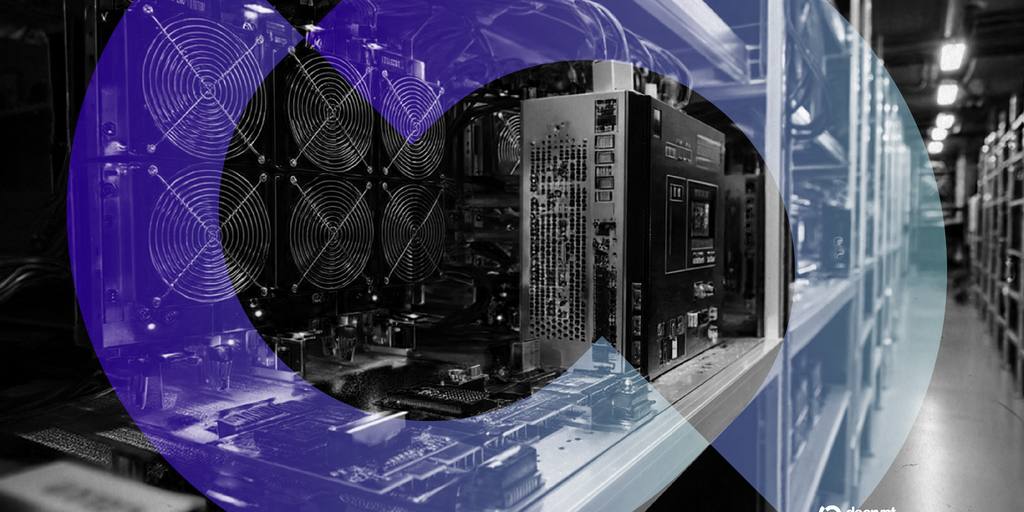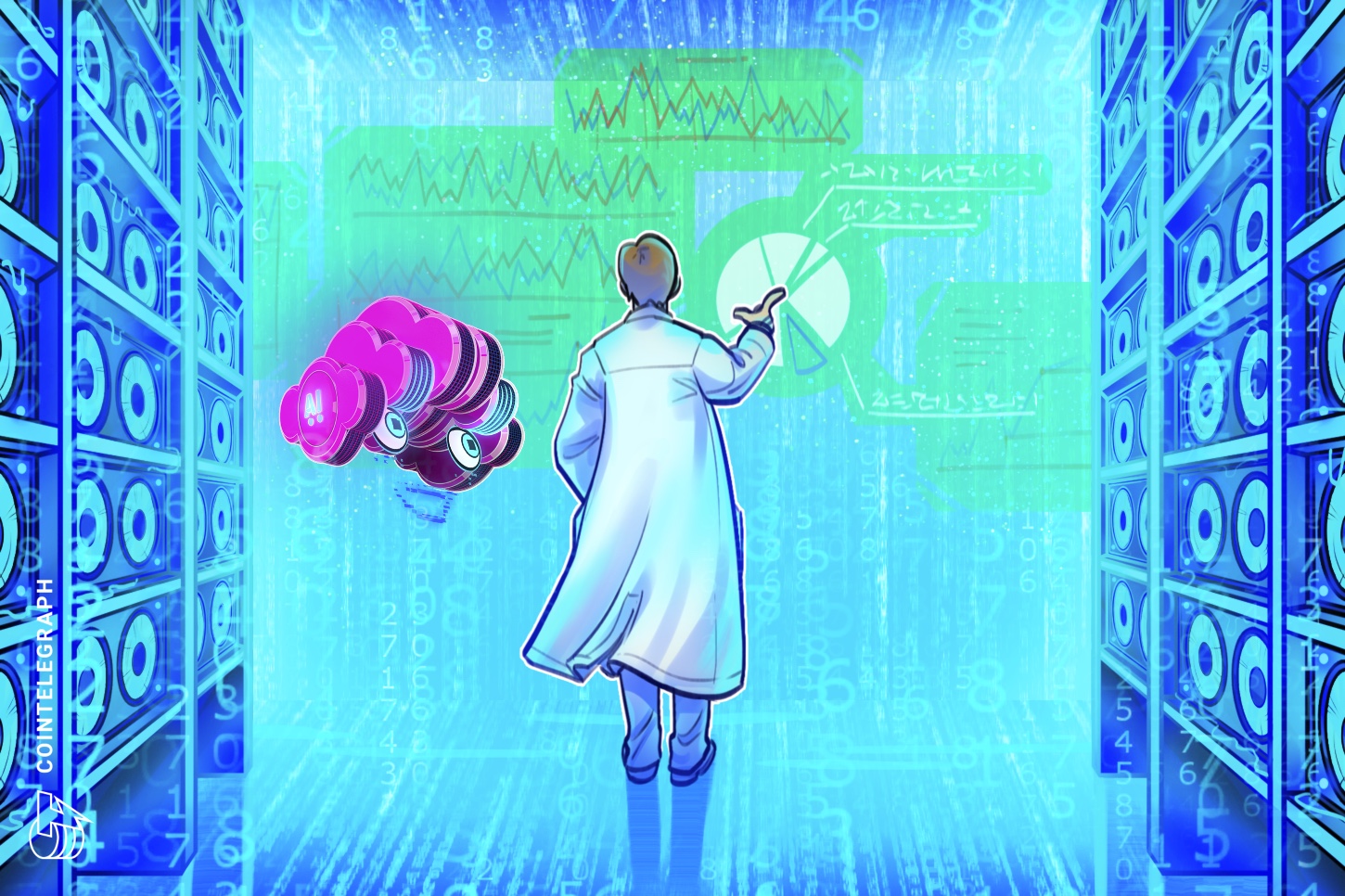
The servers are humming. Not just with the familiar thrum of Bitcoin transactions, but with the insatiable appetite of artificial intelligence. It’s a seismic shift, and the folks who’ve been building sprawling data centers and corralling megawatts of power for years — the Bitcoin miners — are suddenly finding themselves at the center of the universe.
Look, the semiconductor stocks have been on a tear, right? Nvidia, AMD, the whole gang. But what’s the bottleneck for all this AI wizardry? It’s not just the silicon. It’s the sheer, unadulterated power needed to keep these massive AI models trained and running. And guess who has that? The Bitcoin miners, my friends.
We’re talking about companies like TeraWulf, Hut 8, IREN, and Riot Platforms. They weren’t just dabbling in electricity; they were swimming in it. And now, they’re repurposing those vast energy farms and data center facilities. It’s like finding a forgotten, perfectly equipped kitchen in your old house and suddenly realizing you can open a Michelin-starred restaurant.
This isn’t just a niche play; it’s a fundamental platform shift. The days of Bitcoin miners being solely reliant on the volatile price of crypto? They might be numbered. This AI infrastructure boom offers a lifeline, a chance at more stable, predictable revenue streams.
Why Is This Happening Now?
The reasoning is elegant in its simplicity. As Bernstein research points out, 11 publicly traded Bitcoin miners command a current and projected power portfolio of roughly 27 gigawatts. That’s a colossal amount of juice. And with AI data centers gobbling up power at an unprecedented rate, access to reliable electricity is fast becoming the primary constraint, eclipsing even the availability of advanced semiconductors.
Think about it. You can have all the cutting-edge AI chips in the world, but if you can’t power them 24/7, they’re just expensive paperweights. This puts Bitcoin miners in an almost enviable position. They’re not just looking for customers; they’re the solution to a critical infrastructure problem.
Consider IREN. They’ve inked a deal with Microsoft that Bernstein estimates could generate an annualized revenue run rate of around $3.7 billion just from their AI cloud infrastructure business. That’s not pocket change; that’s a whole new ball game, potentially dwarfing their previous crypto-centric revenue.
It’s a fascinating evolution, really. A sector born from the desire for decentralized digital currency is now becoming a cornerstone of the centralized, power-hungry AI future. This isn’t just a financial story; it’s a technological narrative about resource allocation and strategic adaptation.
Are Bitcoin Miners Really Ditching Crypto for AI?
Let’s be clear: it’s not necessarily an either/or situation. Many miners are likely to pursue a hybrid model, balancing their Bitcoin operations with lucrative AI infrastructure contracts. The key here is that the AI side offers a diversification that many investors have been craving.
The market seems to be catching on. The stock prices of these miners have been reflecting this newfound optimism. It’s a validation of their foresight and their ability to adapt in a rapidly changing technological landscape. They’ve built the power plants; now they’re plugging into the AI superhighway.
This move also highlights a broader trend: the increasing interconnectedness of different technological domains. Blockchain and AI, once perceived as entirely separate, are now finding common ground, especially when it comes to the fundamental need for vast computational resources and reliable energy.
It’s a bit like the early days of the internet, when companies that had built strong physical infrastructure suddenly found new ways to monetize it. These miners have the hardware, the energy contracts, and the data center space. The AI boom is simply providing the demand they desperately needed.
This pivot is more than just smart business; it’s a proof to the adaptable nature of innovation. The infrastructure built for one digital frontier is proving to be perfectly suited for another, creating a virtuous cycle of technological advancement. We’re witnessing a fascinating convergence, where the physical demands of cutting-edge computing are being met by an industry that has mastered large-scale energy management.
🧬 Related Insights
- Read more: SharpLink Joins Russell Indexes Amidst 95% Stock Plunge
- Read more: Coinbase’s Armstrong Flips on Clarity Act: The Crypto Reg Pivot We’ve Been Waiting For
Frequently Asked Questions
What does this mean for Bitcoin’s price?
This AI infrastructure pivot doesn’t directly dictate Bitcoin’s price, but it can indirectly support miners’ financial stability, potentially reducing pressure to sell BTC holdings to cover operational costs.
Will this make Bitcoin mining obsolete?
Not necessarily. Many miners are likely to maintain their Bitcoin operations while also pursuing AI workloads, creating a diversified revenue stream.
Is AI powering Bitcoin mining, or is Bitcoin mining powering AI?
In this context, Bitcoin mining infrastructure, particularly its abundant power capacity, is powering the AI boom by providing essential energy and data center resources.