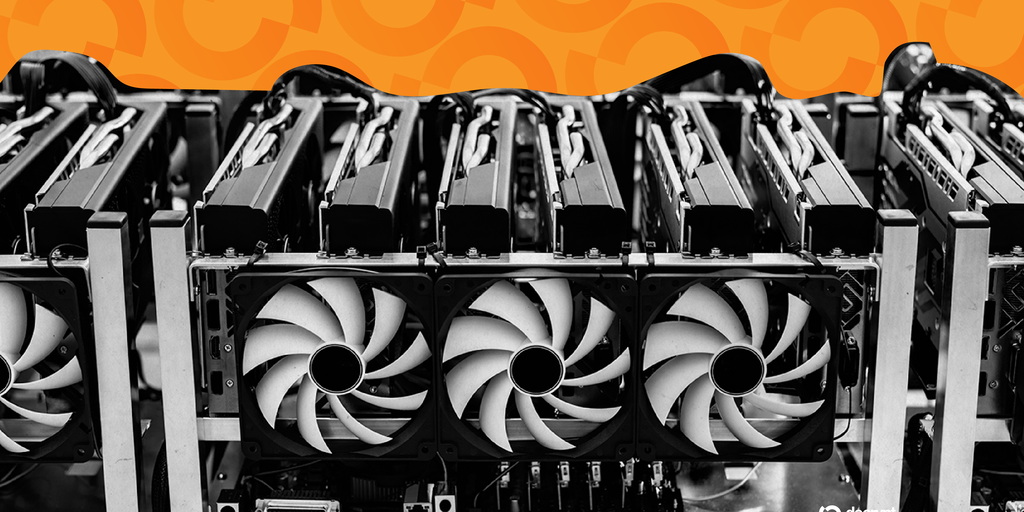
The hum of servers is shifting.
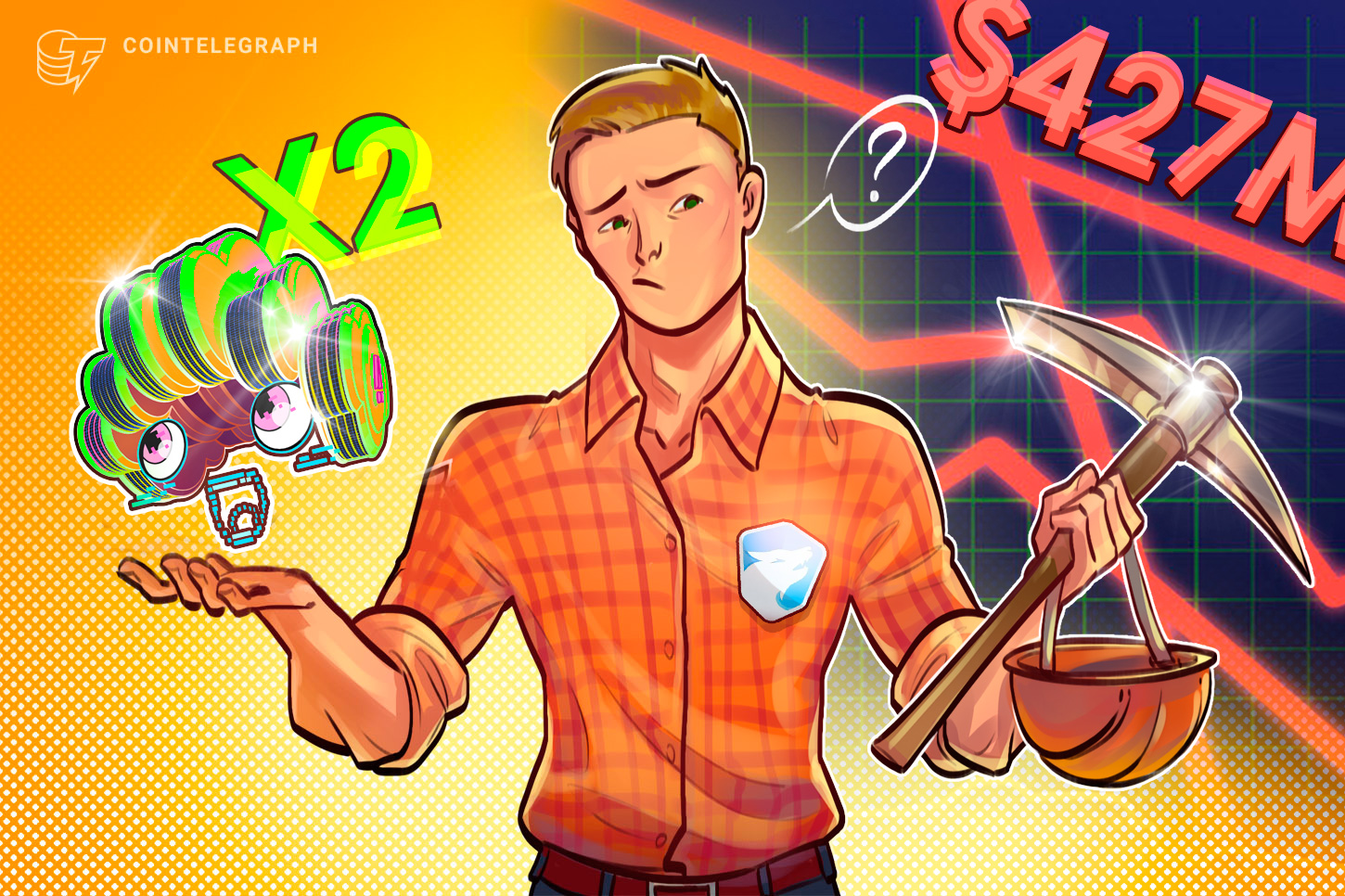
TeraWulf, a prominent player in the digital asset mining space, has announced it doubled its AI revenue, a headline that might suggest a smooth transition. But dig beneath that shiny number, and you’ll find a deeper, more sobering reality: a colossal $427 million quarterly loss. This stark contrast highlights the turbulent waters Bitcoin miners are navigating as they attempt to diversify away from the volatility of crypto mining and into the seemingly more stable, albeit intensely competitive, AI compute market.
This isn’t an isolated incident. We’re seeing a broader industry trend here. Companies like Riot Platforms, which posted $167.2 million in first-quarter revenue, are leaning on their burgeoning data center businesses (contributing $33.2 million) to cushion a noticeable dip in their core Bitcoin mining income. It’s a pattern emerging across the board: Core Scientific, MARA Holdings, Hive, Hut 8, and Iren are all either repurposing their existing mining infrastructure into AI data centers or actively acquiring AI compute assets. The rationale is clear: Bitcoin mining margins are shrinking, and the allure of predictable, recurring revenue from AI workloads is potent.
Is AI the Golden Ticket for Bitcoin Miners?
The narrative pushed by these companies is one of strategic evolution, a necessary pivot to secure future profitability. And there’s undeniable logic to it. The economics of Bitcoin mining have become increasingly challenging, especially for smaller players or those without access to the cheapest power. Throw in the halving events, which periodically slash block rewards, and you’ve got a recipe for shrinking profits. AI, on the other hand, offers the promise of high-margin, continuous revenue streams from compute-as-a-service.
But the math doesn’t always add up, at least not yet. TeraWulf’s $427 million loss, juxtaposed with its AI revenue growth, is a glaring example. Building and operating massive data centers equipped for AI workloads requires immense capital expenditure. It demands sophisticated cooling systems, high-speed networking, and constant hardware upgrades—all costs that can quickly dwarf revenue, especially in the early stages of market penetration.
Moreover, the AI compute market is becoming a feeding frenzy. Giants like Nvidia are dominating hardware, and established cloud providers (AWS, Google Cloud, Azure) have deep pockets and extensive existing customer bases. For a Bitcoin miner to carve out a significant piece of this pie requires more than just server racks; it needs a strong sales operation, strong technical support, and a compelling value proposition that can compete with — or at least complement — the incumbents.
“Bitcoin miners are pivoting to AI infrastructure as shrinking margins push the industry toward more predictable revenue, with Core Scientific, MARA Holdings, Hive, Hut 8 and Iren converting mining facilities into data centers or acquiring AI compute assets.”
This quote from industry reporting sums up the widespread nature of this strategic shift. It’s not just a few companies experimenting; it’s a collective industry repositioning. The question is whether this pivot is happening too late, or too expensively.
The Ghost of Mining Past Lingers
What’s particularly striking about TeraWulf’s situation is the sheer scale of the loss. While revenue from AI doubled, it wasn’t enough to offset the decline in mining income and, presumably, other operational costs. This suggests that the legacy business—Bitcoin mining—is still a significant drag on the company’s financials. The investments required to build out AI capabilities might be compounding the financial strain, rather than immediately alleviating it.
There’s a certain irony, too. These companies once spoke of the promise of decentralized finance and the potential for Bitcoin to disrupt traditional financial systems. Now, they’re increasingly looking to the established, centralized giants of cloud computing and AI for their survival. It’s a pragmatic move, sure, but it’s a far cry from the disruptive ethos that fueled the early days of crypto.
This isn’t to say the AI pivot is doomed. The demand for compute power for AI training and inference is only set to grow. Companies that can effectively secure power, manage infrastructure, and build strong client relationships will likely find success. However, the path forward is clearly not a simple one. It requires a different skill set, a different market understanding, and, critically, a significant amount of capital that can weather prolonged periods of investment before yielding substantial returns.
For investors watching TeraWulf and its peers, it’s a complex picture. The doubling of AI revenue is a positive indicator of demand and the company’s ability to secure some of it. But the $427 million loss is a stark reminder that the transition is fraught with financial peril. The market is clearly signaling skepticism, with TeraWulf shares declining. It seems the AI gold rush is on, but not everyone is striking it rich, or even avoiding significant financial setbacks, immediately.
🧬 Related Insights
- Read more: Paysafe’s Crypto Gamble: iGaming’s Fiat Firewall Crumbles
- Read more: Affirm’s Agentic Credit: Snake Oil or Savings?
Frequently Asked Questions
What is TeraWulf’s primary business?
TeraWulf’s primary business has historically been Bitcoin mining, operating large-scale data centers powered by zero-carbon energy. However, the company is actively diversifying into providing AI compute infrastructure.