Bitcoin miners are now AI suppliers.
This isn’t some abstract concept; it’s a tangible shift in the tech supply chain. Bernstein’s latest research makes a bold assertion: the same entities that power the digital gold rush are increasingly becoming indispensable cogs in the artificial intelligence machine. They’re not just mining blocks anymore; they’re powering algorithms, and that’s a seismic change for how we think about data center growth and power infrastructure.
Let’s cut to the chase. Publicly traded Bitcoin miners, a cohort once solely focused on the volatile world of cryptocurrency, now command over 27 gigawatts (GW) of planned power capacity. That’s a staggering amount of juice. Add to that over $90 billion in announced AI-related deals, which themselves represent a substantial 3.7 GW of capacity. This isn’t peanuts; this is a strategic pivot driven by market realities. As it stands, electricity is the primary bottleneck for scaling AI data centers, not the fancy silicon chips everyone’s been talking about.
Utility providers, bless their bureaucratic hearts, can take upwards of four years to approve new grid connections. Even in power-friendly states like Texas, the process is a labyrinth of batch reviews and interconnect queues. Bernstein’s analysts put it starkly: “The median waiting time to secure a GW of power is nothing less than ~50 months across states.” That’s not a typo; it’s half a decade to get the plug in.
Why Data Centers Need Bitcoin’s Power Play
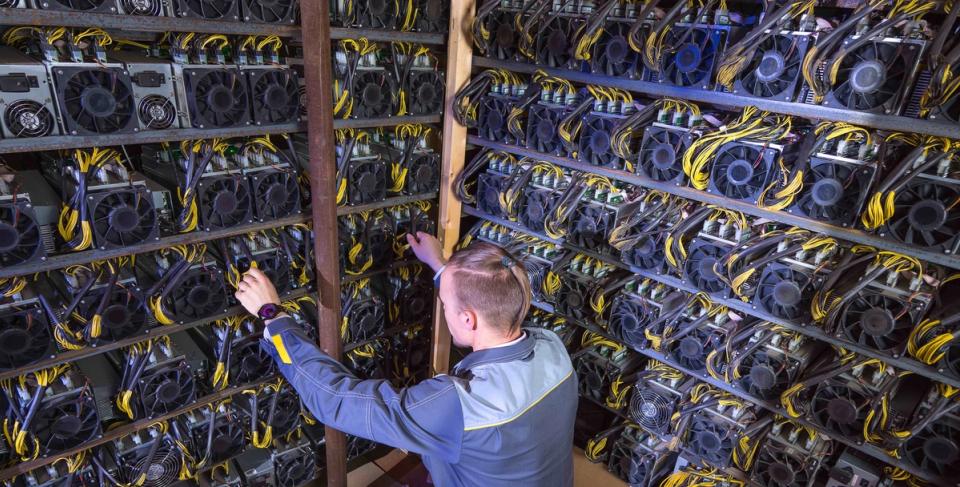
This is where the miners shine. They’ve already got the grid connections, they’re used to managing high-density computing facilities, and they operate in an environment where power is everything. Growing regulatory scrutiny and local opposition to massive data center builds only exacerbate the delays for traditional players. Bitcoin miners, by virtue of their existing infrastructure and operational expertise, possess a unique advantage. They’ve navigated the power landscape for years, and now that same expertise is becoming a premium commodity for AI.
This strategic shift isn’t happening in a vacuum. The 2024 Bitcoin halving, which slashed mining rewards, has inevitably put pressure on profit margins. For miners, diversification isn’t just smart; it’s becoming a necessity for survival and growth. Moving into AI data centers and high-performance computing facilities offers a potent new revenue stream, one that’s less susceptible to the wild swings of the crypto market.
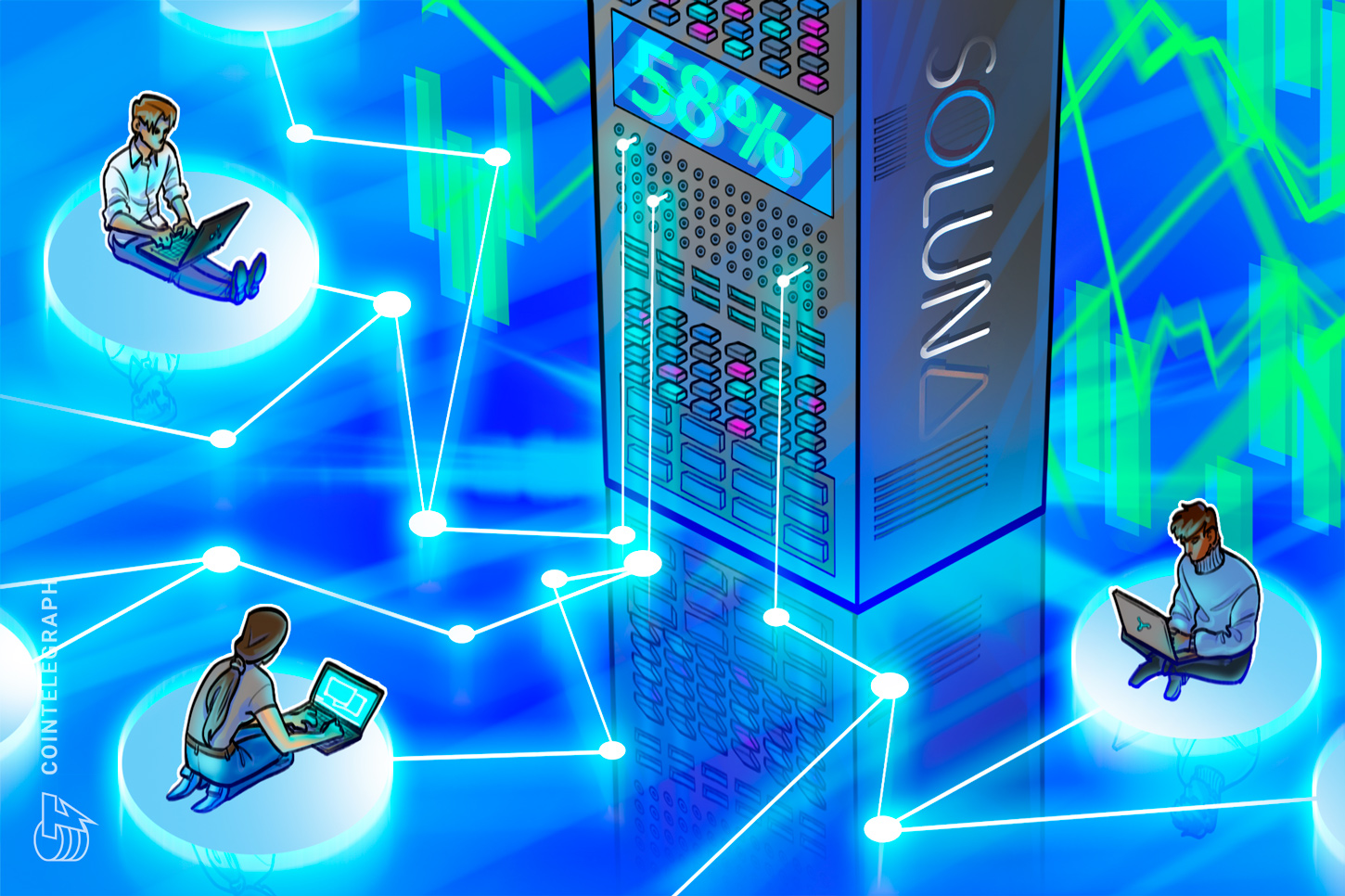
We’re already seeing the early innings of this transformation. Soluna Holdings, for instance, reported a significant 58% jump in first-quarter revenue, with its data center hosting business leading the charge, eclipsing crypto mining’s contribution. Then there’s IREN, a company Bernstein highlights as a prime example. Its substantial multi-billion dollar agreements with Microsoft position it squarely to transition a significant portion of its business towards the AI infrastructure space. This isn’t just about adding a side hustle; for some, it’s a fundamental business model recalibration.
Access to electricity, rather than chips, has become the primary bottleneck for scaling AI data centers.
The Unseen Cost: Power in the AI Equation
It’s a curious historical echo, isn’t it? For years, we’ve fixated on Moore’s Law, on processor speeds, on GPU architectures. The conversation has been about the intelligence itself. But the foundational requirement for all this computational prowess is, and always has been, raw power. The AI boom is so power-hungry that it’s forcing us to re-examine the very infrastructure that supports it. And who better to understand the demanding, 24/7 power needs of intensive computing than companies that have been running high-wattage operations for over a decade?
This also implies a potential shift in how AI infrastructure funding flows. Remember the headlines about CoreWeave securing massive loans, often framed as a shift away from crypto lending? Bernstein’s analysis suggests this trend is broader. The capital that once flowed exclusively into Bitcoin mining is now diversifying, seeking returns in the tangible infrastructure required to power the AI revolution. This isn’t just a cyclical play; it’s a structural realignment.
My unique insight here is that this trend represents a form of “resource arbitrage” in action. Bitcoin miners, by their very nature, are experts in securing and managing access to large-scale, reliable energy. They’ve built businesses around optimizing power costs and operational uptime. AI, on the other hand, has a voracious and escalating demand for exactly that. The miners are essentially arbitraging their existing expertise and infrastructure against a newly emergent, massive demand. It’s a classic case of supply meeting a critically underserved demand, albeit through an unexpected conduit.
**
🧬 Related Insights
- Read more: XRP’s Sentiment Soars, Price Stalls: The Rakuten Wallet Puzzle
- Read more: Hana Financial Buys Upbit Stake: Crypto’s Mainstream Shift Accelerates
Frequently Asked Questions**
Will Bitcoin miners replace traditional data center providers? Not entirely. They’re becoming critical suppliers and partners, offering specialized power and real estate, but the broader data center industry will continue to evolve. Miners offer a unique solution to the power bottleneck.
What is the biggest constraint for AI data centers? According to Bernstein’s analysis, the primary bottleneck for scaling AI data centers is access to electricity, not semiconductor chips.
How much power do Bitcoin miners control for AI? Bernstein estimates that publicly traded Bitcoin miners control over 27 gigawatts of planned power capacity and have announced over $90 billion in AI-related agreements covering 3.7 gigawatts.