For the average investor clutching their digital assets, the relentless churn of geopolitical crises and economic uncertainty can feel like a constant threat to their portfolio. When Jurrien Timmer, Fidelity’s global macro director, speaks, it’s worth listening not for market pronouncements, but for what his data-driven insights suggest about the underlying currents affecting real money.
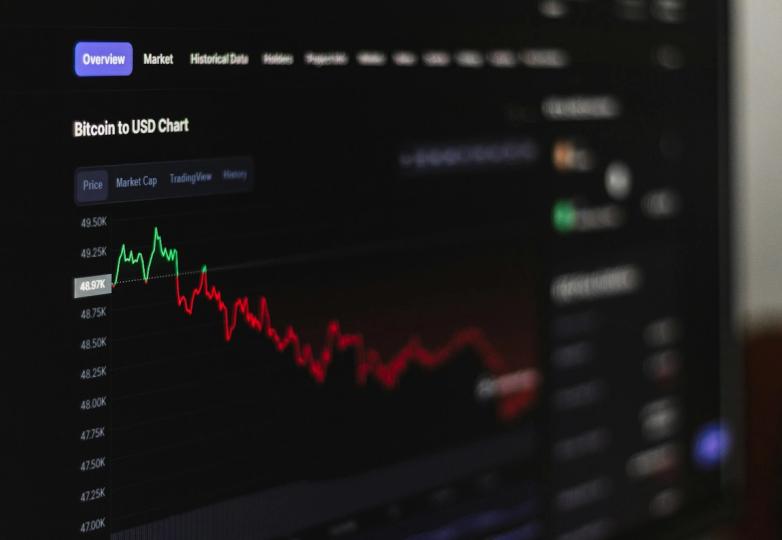
His latest analysis points to a surprising calm within the storm, particularly for Bitcoin. The narrative isn’t about a sudden rally, but about the potential formation of a solid base around the $65,000 mark. This isn’t just about price; it’s about the conviction of those remaining in the market. Timmer suggests that the “paper hands” — those investors who bail at the first sign of trouble — have largely been “flushed out.” What does that mean for you? It means the remaining holders are likely more committed, less prone to panic selling, and therefore, potentially more stable.
Are Markets Pricing in a Peaceful Resolution?
Timmer’s argument hinges on several macro indicators that, he contends, are painting a picture of controlled risk rather than impending doom. Oil futures, for instance, show a “backwardation” structure. This isn’t just jargon; it implies that the market expects current supply disruptions, like those around Iran, to be temporary bottlenecks, not a protracted crisis. Imagine a highway jam: it’s annoying, but everyone expects it to clear. That’s the signal here.
And it’s not just oil. Equity markets, despite anxieties, have shown remarkable resilience. The S&P 500, which flirted with significant drawdowns, has managed to recover. Credit spreads, a key indicator of financial system stress, remain contained. These aren’t the signs of a market on the brink; they suggest an ability to absorb shocks. As Timmer puts it, markets are “pricing in some form of resolution” to geopolitical tensions.
“The world’s largest cryptocurrency was trading in the low $70,000s at the time of publication.”
This quote, while factual, underscores the current state. Bitcoin is above the $65,000 support level, but not dramatically so. It signals a delicate balance, a market testing its newfound footing.
Why Does Bitcoin’s $65,000 Support Matter So Much?
For Bitcoin specifically, the $65,000 level is more than just a number; it’s a psychological and technical battleground. When Bitcoin soared to its previous peaks, capital was fluid, chasing the next big thing. Now, with a substantial correction from those highs, Timmer observes fewer speculative, short-term players. The ones who remain, he believes, are in it for the longer haul. This “washout” of weaker hands is, paradoxically, a sign of market health. It means fewer panicked sellers waiting to dump their holdings if prices dip even slightly.
Timmer’s view on Bitcoin’s technical setup is “interesting.” He sees the potential for a “base to form.” Think of it like building a house: you need a solid foundation before you can build higher. This base at $65,000 could be that foundation. However, he’s quick to add a crucial caveat: a “catalyst will be needed to drive the next leg higher.” This means that while support is strong, sustained growth will likely require a fresh narrative or a significant market event.
What’s fascinating here is the contrast between Bitcoin’s historical volatility and this current technical picture. While always prone to sharp moves, the resilience around $65,000, coupled with the presumed exit of weak hands, suggests a maturing asset class—or at least, a market segment with a more committed investor base.
Earnings: The Unsung Hero of Market Stability?
Beyond crypto, Timmer attributes much of the market’s stability to a less glamorous, but perhaps more critical, factor: strong corporate earnings. In an environment rife with geopolitical risks, it’s easy to overlook the fundamental health of companies. But as Timmer points out, strong earnings are absorbing these shocks. This is the bedrock of any sustained market recovery.
He goes further, suggesting that fears of an AI-driven market bubble haven’t materialized. In fact, he sees investor skepticism toward high valuations as a healthy sign. A true bubble sees investors stop asking tough questions. Today, they’re doing the opposite. This critical scrutiny, he argues, has prevented the market from overshooting.
My own take? This “priced for success” narrative, while comforting, needs careful monitoring. Earnings can falter, and the geopolitical landscape remains a tinderbox. The assumption that current tensions will resolve neatly might be overly optimistic. History is littered with seemingly contained crises that spiraled.
The Lingering Risks: What Keeps Timmer (and You) Awake?
Despite his generally constructive outlook, Timmer doesn’t shy away from the risks. The situation in the Middle East is, by definition, fluid. A “worst-case scenario”—escalation targeting energy infrastructure—could indeed be destabilizing, potentially triggering a stagflationary shock. That’s the nightmare scenario: high inflation and slow economic growth.
But Timmer’s core message is that markets have learned to react more measuredly. After a series of “false alarms,” investors are less prone to panic. There’s a “show-me” attitude now, a demand for concrete evidence before succumbing to fear. This is a significant shift from previous cycles where headlines alone could trigger widespread sell-offs. It suggests a more mature, perhaps more informed, investor base.
Ultimately, Timmer’s analysis offers a data-backed perspective that, while not dismissing risks, suggests the current market environment is more resilient than headline anxiety might suggest. For Bitcoin investors, the $65,000 level is more than just a price point; it’s a signpost indicating that the speculative froth might be clearing, leaving behind a more strong, albeit still uncertain, foundation.
🧬 Related Insights
- Read more: Digital Wallets Set to Eclipse Cards: What 2030 Holds for Your Wallet
- Read more: Gen Z’s Credit Card Frenzy: Desperation or Long Game?
Frequently Asked Questions
What does “paper hands” mean in crypto?
“Paper hands” refers to investors who sell their assets quickly out of fear or panic, especially during market downturns, rather than holding on for potential long-term gains.
What is Bitcoin backwardation?
Backwardation isn’t directly applicable to Bitcoin in the same way it is to commodities like oil. However, the concept of market sentiment impacting future price expectations is relevant. In the context of Timmer’s oil analogy, it suggests a market anticipating a return to normal supply conditions.
Is Bitcoin a good investment right now?
Fidelity’s analyst Jurrien Timmer suggests Bitcoin may be forming a stable base at $65,000 with fewer speculative investors. However, he notes a catalyst will be needed for further upside, and geopolitical risks remain. Investment decisions should consider individual risk tolerance and further research.