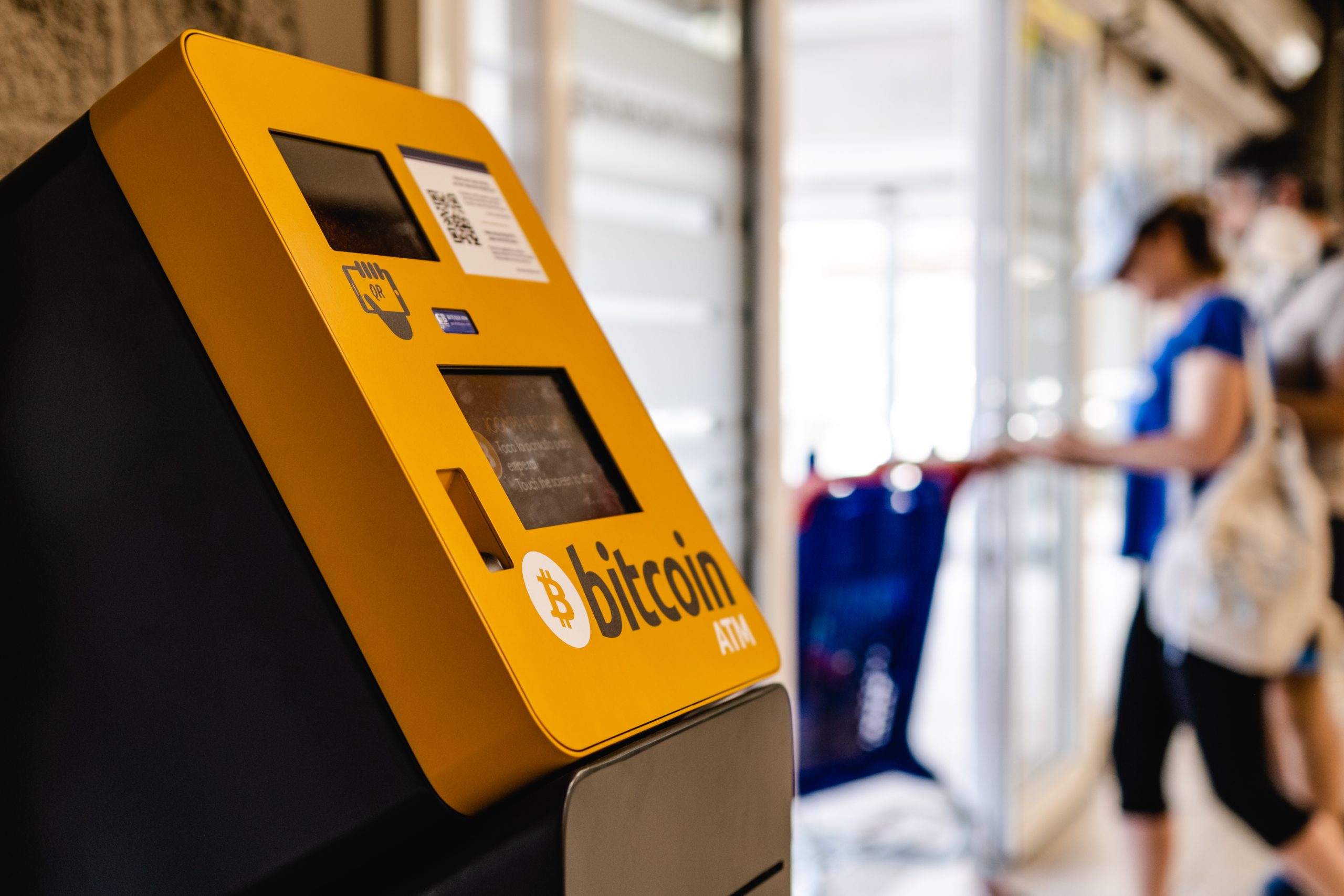
Did you ever stop and wonder if your local Bitcoin ATM is actually a digital getaway car for scammers? Apparently, Missouri’s Attorney General Catherine Hanaway has. She’s gone nuclear on CoinFlip, the ubiquitous Bitcoin ATM operator, demanding a whopping $1.83 million in penalties and a full stop to their operations in the Show Me State. All this over accusations of “knowingly facilitating fraudulent transactions” and, get this, profiting from them with murky fees. It’s a bold move, comparing these machines to, and I quote, “getaway cars for fraud.” Harsh, but perhaps accurate.
CoinFlip, predictably, isn’t taking this lying down. They’ve branded the lawsuit “meritless” and tossed it back like a hot potato. Their defense? They’ve pushed for consumer protection laws for crypto kiosks for years, and the state should be chasing actual criminals instead of a licensed and regulated company. It’s a classic “don’t shoot the messenger” vibe, albeit one that potentially profits from said messenger service when it goes wrong. The company’s spokesperson added, with all the politeness of a lawyer in a deposition, that the AG’s office should investigate, catch, and stop those criminals preying on Missourians. You almost have to admire the chutzpah.
Is This Just a Missouri Problem? Hardly.
This isn’t some isolated incident. Hanaway’s crusade is part of a broader national crackdown on these cash-to-crypto machines. Scams targeting the elderly are skyrocketing, and bad actors are getting bolder. We’re talking impersonating authority figures, tech support scams, you name it. The FBI reported a staggering $389 million in losses last year alone related to these crypto scams. Missouri’s own law enforcement analysts have flagged about 350 cases involving these machines in the past two years. Hanaway pointed out that CoinFlip has 140 kiosks sprinkled across Missouri, from gas stations to vape shops. The state, in total, hosts nearly 430 Bitcoin ATMs. Some states, like Tennessee, have already slammed the door shut, banning these machines entirely.
And the pressure is showing. Just days before Missouri filed its suit, Bitcoin Depot, a major competitor, filed for Chapter 11 bankruptcy. Their reason? “Increased litigation costs,” a tidy little phrase that neatly sums up the regulatory and legal headwinds facing the industry. They then promptly shut down their entire network of over 9,000 machines. That’s not a small operation disappearing. That’s a seismic shift. When market leaders start keeling over from lawsuits, it’s not just noise anymore. It’s a full-blown industry crisis.
The Real Issue: Trust and Transparency
Here’s the thing the regulators and the ATM operators are both missing, or perhaps deliberately ignoring: the core problem isn’t the existence of Bitcoin ATMs, per se. It’s the opacity and the frankly wild fees that often accompany them. CoinFlip claims to have strong consumer safeguards. But when the AG is accusing them of knowingly facilitating fraud and demanding restitution for seniors, those safeguards look about as effective as a screen door on a submarine. The fees can be exorbitant, turning a simple transaction into a financial minefield, especially for less tech-savvy individuals. It’s akin to charging an arm and a leg for a map in a city where every street sign is deliberately misleading.
This whole spat highlights a deeper, uglier truth about parts of the crypto ecosystem. For all the talk of decentralization and empowerment, there’s a grimy underbelly of exploitation. Bitcoin ATMs sit at a unique intersection: they offer a physical gateway into a digital asset, making it accessible to those who might otherwise shy away from exchanges. But that accessibility comes with a cost, and for too many, that cost is their life savings. The AG’s office is essentially saying CoinFlip built a potentially dangerous bridge and collected tolls while knowing full well people were falling off. CoinFlip’s counter is that they’re being scapegoated for the actions of criminals who exploit the technology. It’s a valid point, but it doesn’t absolve them of responsibility for the environment they operate in.
The pushback from CoinFlip, demanding the AG investigate “actual criminals,” is a strategic deflection. Yes, the scammers are the direct perpetrators. But who builds the tools and infrastructure that make these scams so easy and profitable? If a company knowingly profits from transactions that disproportionately lead to fraudulent outcomes, especially against vulnerable populations, then they’re not just a passive bystander. They’re an accessory. It’s a tricky legal and ethical tightrope walk. The legal battle in Missouri is just the latest chapter in what looks like a long, drawn-out fight for the soul of this nascent industry. And frankly, the status quo isn’t cutting it. For seniors who’ve lost their nest eggs, this isn’t about merits or legal arguments; it’s about recovery and prevention.
🧬 Related Insights
- Read more: Hashgraph’s Triple Play: Interoperability, Private Networks, and Investment
- Read more: Vitalik’s Local-First AI: How Ethereum’s Founder Built a Crypto-Paranoid LLM Setup
Frequently Asked Questions
What does CoinFlip actually do? CoinFlip operates a network of Bitcoin ATMs that allow users to convert physical cash into cryptocurrency, primarily Bitcoin, and vice-versa.
Why is Missouri suing CoinFlip? Missouri’s Attorney General alleges CoinFlip knowingly facilitated fraudulent transactions, particularly those targeting seniors, and profited from these activities through opaque fees, demanding millions in penalties and an operating ban.
Will this lawsuit shut down all Bitcoin ATMs? While this lawsuit targets CoinFlip specifically, it’s part of a broader trend of increased regulatory scrutiny on Bitcoin ATMs. Other states have banned them, and the industry is facing significant legal challenges.