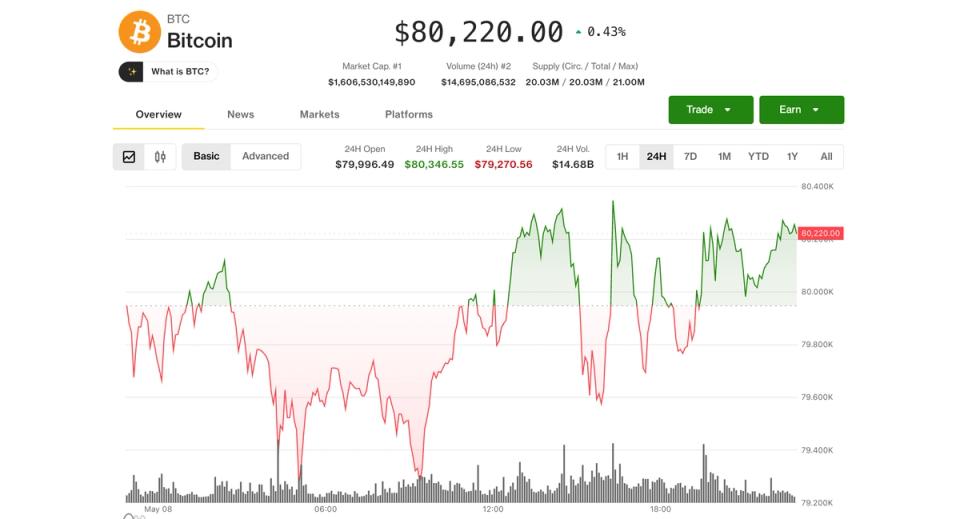
A 901-page lawsuit. That’s how you know this is going to be good. Or, more likely, a colossal waste of everyone’s time and money. ABC Company, XYZ Company, and one Noah Doe (always a good sign when the plaintiffs sound like a middle-school band name) have decided to sue a horde of ‘John Does’ holding 39,069 Bitcoin wallets. We’re talking about an estimated 3.7 million BTC here. That’s roughly $285 billion, for those of you keeping score at home in Monopoly money.
And who are these alleged wallet holders? Oh, just a who’s who of early Bitcoin history. We’ve got Satoshi Nakamoto’s personal stash – yes, that Satoshi. And then there’s the Mt. Gox hacker’s phantom holdings. Lovely company. This is less a lawsuit and more an archaeological dig through the digital Wild West.
Here’s the kicker, the bit that makes you lean back and chuckle darkly: the legal notice. Apparently, the plaintiffs, bless their determined hearts, sent their legal pronouncements to the wrong kind of Bitcoin addresses. Most of these old-school Satoshi-era tokens are chilling in Pay-to-Public-Key (P2PK) formats. Our intrepid legal eagles, however, decided to lob their notices at the corresponding hashed public key under Pay-to-Public-Key-Hash (P2PKH) formats. Which, according to the analysis, often hold precisely zero.
So, they notified empty rooms while the actual party was happening in the next (unnoticed) room. It’s like sending a love letter to a ghost by mistake. This fundamental flaw could torpedo the entire claim of proper notice of abandonment. The actual Bitcoin balances are sitting pretty in unnotified P2PK scripts, completely oblivious to the legal drama unfolding. You can almost hear the digital shrug.
A Structurally Defective Hail Mary
Castle Labs’ lead research analyst didn’t mince words. They called the messaging attempt “structurally defective.” Why? Because it was sent to address formats no longer in vogue for the wallets being targeted. It’s akin to trying to call an old landline that’s been disconnected for a decade. Sending a tiny transaction via the OP_RETURN function? Equally futile, apparently. It only works if the recipients are actively watching their wallets, which, let’s face it, folks holding dormant Bitcoin for years aren’t doing.
This whole endeavor feels less like a sophisticated legal strategy and more like a desperate grab for unclaimed digital gold. It’s the crypto equivalent of a treasure hunt where the map is smudged and the ‘X’ marks a spot that never existed. The plaintiffs are essentially betting that the sheer volume of lost Bitcoin will somehow will their flawed notice into legitimacy.
Is This the End of Dormant Bitcoin Claims?
This lawsuit throws a spotlight on the murky legal waters surrounding dormant cryptocurrency. We’re talking about 3.5 million Bitcoin dormant for over 10 years, and another 6.6 million for over five. That’s a staggering amount of value, essentially locked away. The temptation for companies to try and claim this lost wealth is obviously immense.
But the underlying issue here isn’t just about finding forgotten wallets. It’s about how the legal system, which is centuries behind the tech it’s trying to regulate, grapples with digital assets. This case, win or lose for the plaintiffs, is a crucial test. Will courts bend existing property laws to fit the peculiarities of blockchain? Or will they demand a level of technical understanding that seems perpetually out of reach for many legal professionals?
The ghost of Mt. Gox looms large. The hacker’s wallets are notoriously hard to trace, and claims involving them are always fraught with peril. Claiming Satoshi’s unspent coins? That’s entering mythical territory. It’s a bold move, bordering on audacious, but the structural defect in their notification process suggests they might have been barking up the wrong digital tree from the start.
This isn’t just a New York lawsuit. It’s a canary in the coal mine for how we’ll handle digital abandonment, lost assets, and the evolving definition of ownership in the blockchain era. Right now, it looks like they might have to send another notice. Maybe try the right address this time.
**
🧬 Related Insights
- Read more: Bitcoin Flirts with $82K Amid Shifting Tides; Sui Rockets 25%
- Read more: X’s New Crypto Kill Switch: Can Auto-Locking Stop the Scam Epidemic?
Frequently Asked Questions**
What exactly are dormant Bitcoin addresses? Dormant Bitcoin addresses are those that haven’t shown any transaction activity for an extended period, typically years. These are often forgotten or lost holdings, essentially locked away on the blockchain.
Can I claim Bitcoin from a dormant address? In theory, yes, but it’s legally complex. This lawsuit highlights the difficulty: you need to prove ownership and follow strict legal procedures, including proper notification to the presumed holder, which is proving to be a major hurdle.
What is P2PK vs P2PKH in Bitcoin? P2PK (Pay-to-Public-Key) is an older Bitcoin script format where you send funds directly to a public key. P2PKH (Pay-to-Public-Key-Hash) is a more common and secure format where you send funds to a hash of the public key, making addresses shorter and more private. The lawsuit’s error was notifying P2PKH addresses that often held no funds while the actual BTC was in unnotified P2PK scripts.