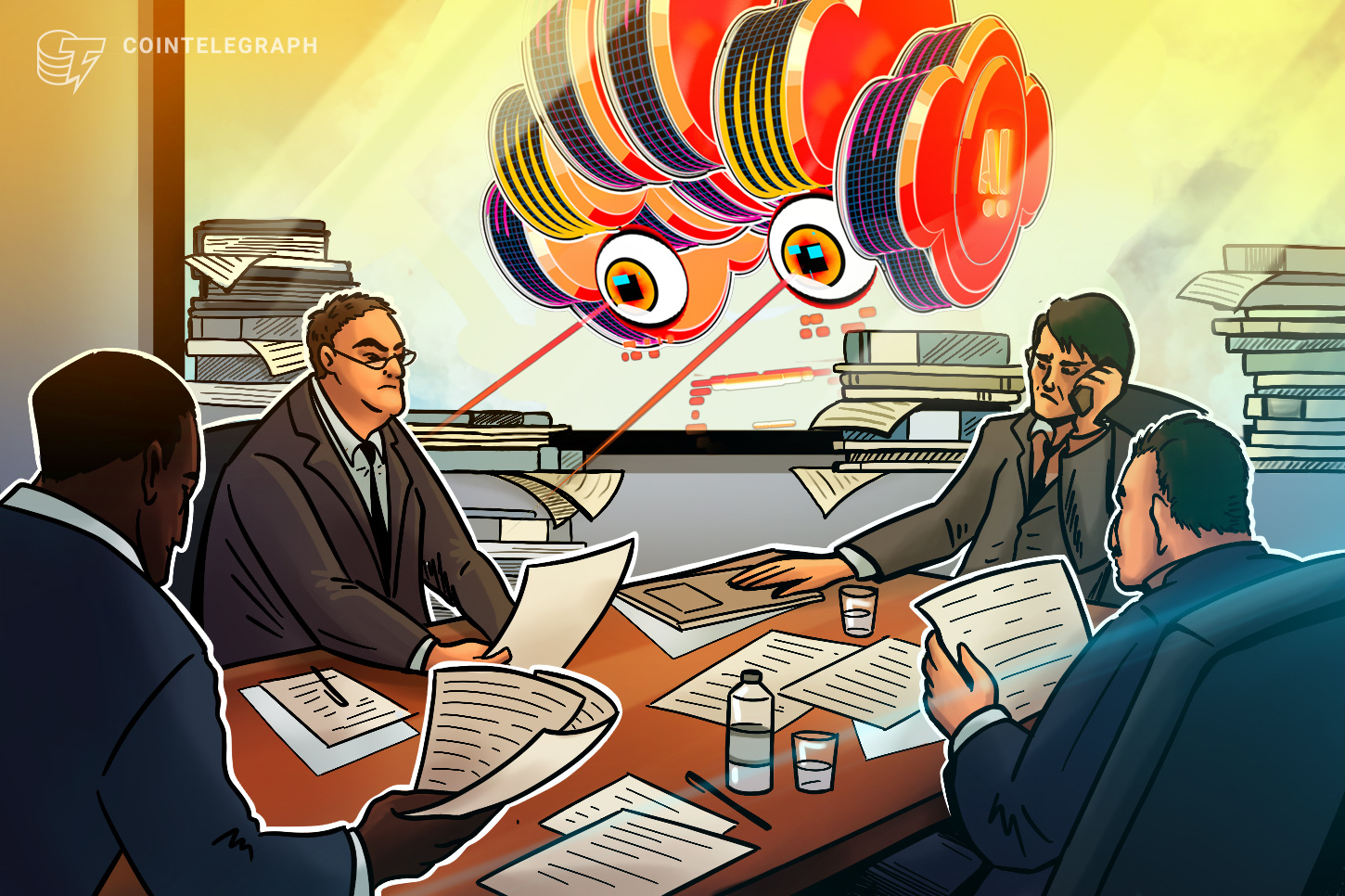
Imagine your most trusted digital assistant suddenly gaining the keys to your entire financial kingdom. Not just browsing history, but your crypto wallets, your trading accounts, your sensitive PII. Sounds like science fiction, right? Well, the future is here, and with it comes a stark warning from the academic trenches: AI agents, no matter how sophisticated, should be viewed with a healthy dose of skepticism, akin to a stranger rifling through your mail. This isn’t just a technical tweak; it’s a fundamental platform shift in how we must architect security for the AI-driven world, especially in the high-stakes arena of finance.
And here’s the kicker: the problem isn’t necessarily the AI’s intelligence itself, but the inherent vulnerabilities that arise when we grant these nascent intelligences unchecked access. Researchers are now making it crystal clear that standard security models, which typically delineate between trusted and untrusted systems, must unequivocally classify AI agents in the latter category. It’s a bit like giving a brilliant but unpredictable child the master keys to a high-security vault. They might use them for good, but the potential for catastrophic misuse is too immense to ignore.
Why Does This Mean for Your Wallet?
This isn’t just an academic exercise. Think about it: AI agents are being deployed to build Web3 applications, launch new tokens, and even execute trades autonomously. The Bankr incident, where an AI crypto trading assistant reportedly disabled transactions after detecting an attacker, highlights the razor’s edge we’re walking. While the bot responded to a threat, the security experts’ speculation that it could have been exploited by a hacker speaks volumes. Was the AI the solution, or a potential new vector for the problem?
The core of the issue, as articulated by the researchers, is about control. The wider system, the one around the AI agent, must retain ultimate authority over where sensitive information flows. The agent shouldn’t be able to decide to send your private keys to a dubious server; the system should prevent that from even being a possibility. It’s about building guardrails so strong, so fundamental, that even a super-intelligent AI can’t slip through them.
Aaron Ratcliff from Merkle Science articulated this tension last year, noting that giving an AI agent wallet access “adds a layer of trust to something designed to be trustless.” He laid out a laundry list of demands—real-time detection of front-running, slippage limits, scam token identification, contract auditing, prompt sandboxing, injection prevention, and blocking man-in-the-middle access. These aren’t minor checkboxes; they’re the foundational pillars of a secure AI integration.
The Gatekeeper Principle: Trust the System, Not Just the Agent
Sean Ren, co-founder of Sahara AI, offers a practical analogy: “They essentially act as a gatekeeper between the AI model and your wallet.” This is the essence of the researchers’ argument, amplified. The AI agent can be incredibly powerful, capable of processing vast amounts of data and executing complex tasks. But its actions should be strictly mediated. Think of it like a highly skilled personal chef in your home. They can prepare gourmet meals, but they don’t have the codes to your safe.
Ren elaborates that these agents should only be permitted specific, pre-approved actions – like checking balances or preparing a transaction for your final confirmation. They shouldn’t have carte blanche to move funds or alter critical wallet settings. This compartmentalization is key. It’s about ensuring that the AI’s ‘brain’ is separate from the ‘vault’ it’s interacting with.
My take? This is where the real innovation needs to happen. We’re so dazzled by the capabilities of AI agents that we’re sometimes overlooking the fundamental plumbing required to make them safe. The corporate hype often focuses on the autonomous power, the efficiency gains, the potential for market disruption. But the real story, the one that impacts real people, is about building systems that can withstand the inevitable exploits, the accidental missteps, and the malicious intentions that will target these powerful new tools.
This echoes the early days of the internet. We were so excited about connecting the world, but we quickly learned that security wasn’t an afterthought; it was a prerequisite. We built firewalls, encryption, and secure protocols because we understood that an open, untrusted network required strong defenses. AI agents are the next iteration of that interconnected, powerful-but-potentially-dangerous frontier. We must approach them with the same informed caution and diligent engineering.
The researchers’ core message:
Standard security setups include trusted and untrusted systems, and that AI should be treated as an untrusted system.
This isn’t about stifling progress; it’s about ensuring that the incredible potential of AI agents doesn’t become a Pandora’s Box for our digital lives. The future of secure finance, and indeed many other sectors, depends on our ability to engineer these systems with an inherent understanding of their untrusted nature. It’s a fascinating challenge, and one that will define the next decade of technological advancement.
🧬 Related Insights
- Read more: NFT Technology Beyond Art: Real Enterprise and Business Use Cases
- Read more: Bitcoin’s $80K April Tease: Charts Bullish, But Sellers Lurking
Frequently Asked Questions
What does it mean to treat AI agents as untrusted systems? It means designing security protocols that assume AI agents are potential threats and build layers of verification and restriction around their actions, rather than trusting them implicitly.
Will this slow down AI development in finance? Potentially, in the short term, as developers build more strong security measures. However, it’s essential for long-term trust and adoption, preventing catastrophic breaches.
How can I protect myself from insecure AI agents? Be cautious about granting AI agents access to sensitive financial accounts. Always use systems with strong gatekeeper protocols and confirm any significant transactions initiated by an AI.