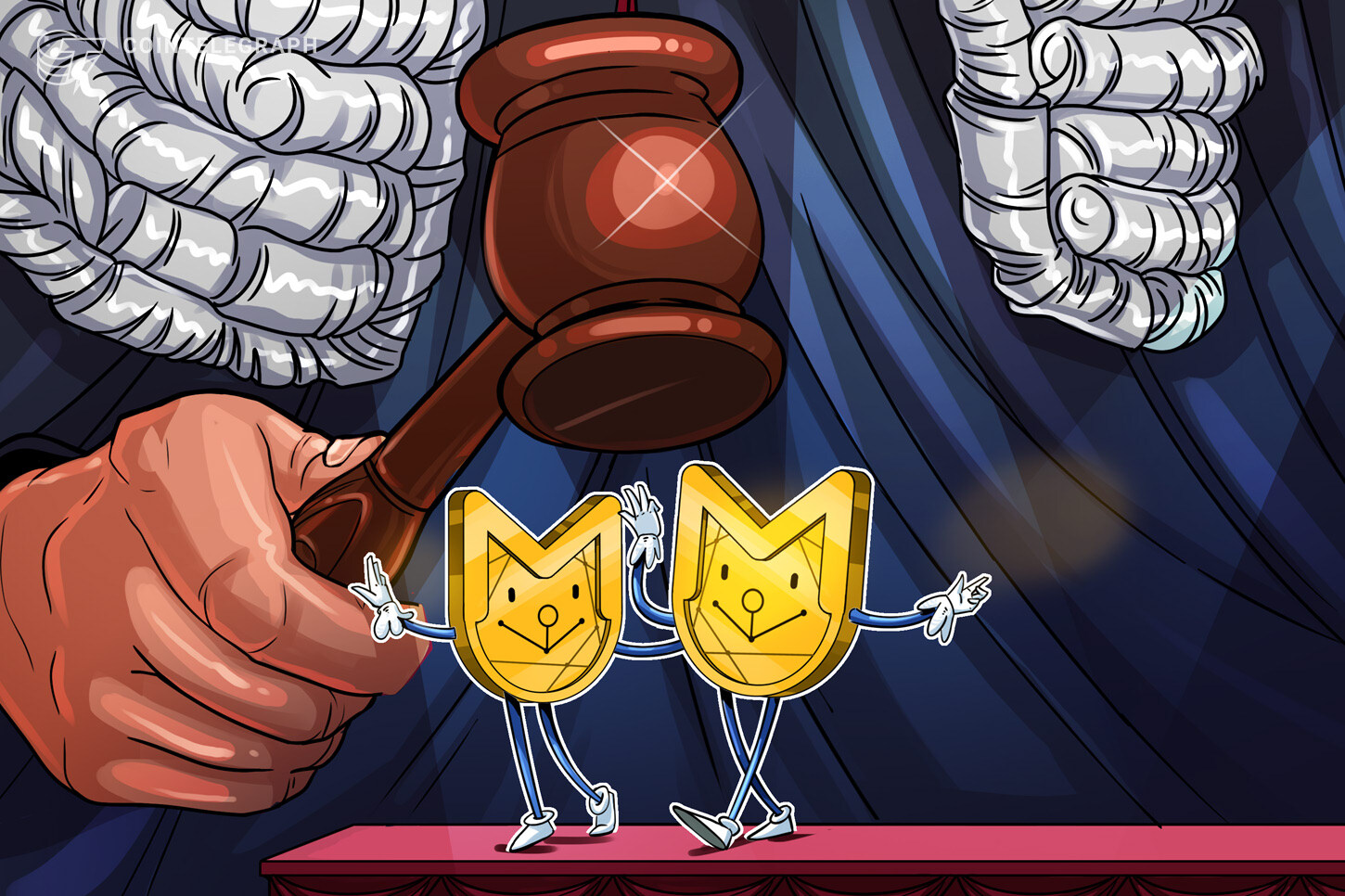
A class action lawsuit has landed squarely on Iggy Azalea’s doorstep, alleging she misled fans and investors about the utility and value of the $MOTHER memecoin. The core of the complaint, filed by lead plaintiff Kolbrak, hinges on promotions that seemingly linked the memecoin to real-world applications – applications that, according to the filing, never materialized as advertised.
It’s a narrative we’ve seen unfold with alarming regularity in the crypto space, where celebrity endorsements can act as rocket fuel for speculative assets. But the legal complaint paints a stark picture of post-launch reality: the online casino, MOTHERLAND, advertised as being “powered by $MOTHER,” actually used Tether (USDt) for its actual transactions. Phones and mobile plans, touted for purchase with $MOTHER via a provider called Unreal Mobile? The lawsuit claims “no durable, publicly observable MOTHER payment integration exists on the Unreal Mobile platform.”
This isn’t just about a memecoin failing to launch a promised feature. It’s about the alleged lack of transparency regarding the mechanics of trading and market manipulation. The suit accuses Azalea of failing to disclose critical information to tokenholders about the terms or risks associated with bringing in crypto market makers Wintermute and DWF Labs to manage $MOTHER’s trading. In the volatile world of digital assets, this kind of opacity can be disastrous.
The complaint also claimed that Azalea said MOTHER could be used to buy phones and mobile plans through the provider Unreal Mobile, however, “no durable, publicly observable MOTHER payment integration exists on the Unreal Mobile platform” as of the filing of the lawsuit.
Kolbrak, the plaintiff, claims he lost “several hundred dollars” on the investment, an amount he states he wouldn’t have spent, or would have paid significantly less for, had it not been for Azalea’s promotional efforts. The lawsuit seeks damages for all affected $MOTHER buyers, plus legal fees and costs. The firm Burwick Law, represented by Max Burwick, a lawyer who’s become a familiar name in crypto class actions (dubbed by some as ‘The ambulance chaser of crypto’), is helming the case.
This incident underscores a broader architectural problem in the crypto promotion landscape. Celebrity endorsements, while incredibly effective at generating hype and attracting capital, often outpace the actual development and ethical deployment of the underlying projects. The speed at which these digital assets are created and marketed frequently outstrips regulatory oversight and, it seems, even the diligence of those promoting them. The architectural shift here isn’t just in the tech; it’s in the commodification of fame for speculative digital assets, creating a potent cocktail for potential investor harm.
The ‘Utility’ Mirage
We’ve seen this play out before. The promise of utility is the siren song of many a memecoin, especially those backed by a celebrity face. The core issue isn’t the aspiration of utility, but the execution and, more importantly, the communication of it. When a token is marketed as a direct gateway to goods or services, and that gateway proves to be, at best, a conceptual drawing and, at worst, entirely non-existent, the trust erodes. This lawsuit highlights how easily the lines can be blurred between genuine product integration and marketing puffery in the crypto sphere, leaving everyday investors caught in the crossfire.
Why Does This Matter for Developers?
For developers and founders in the crypto space, this lawsuit serves as a glaring warning. The legal and reputational fallout from misleading promotions can be immense. It reinforces the need for absolute clarity in marketing materials, especially when partnering with influencers or celebrities. Transparency about tokenomics, development roadmaps, and actual integrations is not just good practice; it’s becoming a legal imperative. Furthermore, it signals a growing appetite from legal bodies to hold promoters accountable for the downstream impact of their endorsements, potentially leading to more rigorous due diligence requirements for anyone considering a celebrity partnership.
Is This the End of Celebrity Crypto Endorsements?
Probably not. The allure of quick capital and broad reach that celebrities offer is too tempting for many crypto projects. However, this lawsuit, and others like it, are likely to make both the celebrities and the projects more cautious. Expect to see more stringent contracts, clearer disclaimers, and perhaps a greater emphasis on vetting the actual substance of projects before public endorsement. The days of a quick tweet and a massive pump might be subject to a much harsher spotlight going forward.
As of this writing, Azalea and her management could not be reached for comment, and information on her legal representation was unavailable. The case is ongoing, and its outcome will undoubtedly be watched closely by both the entertainment and crypto industries.