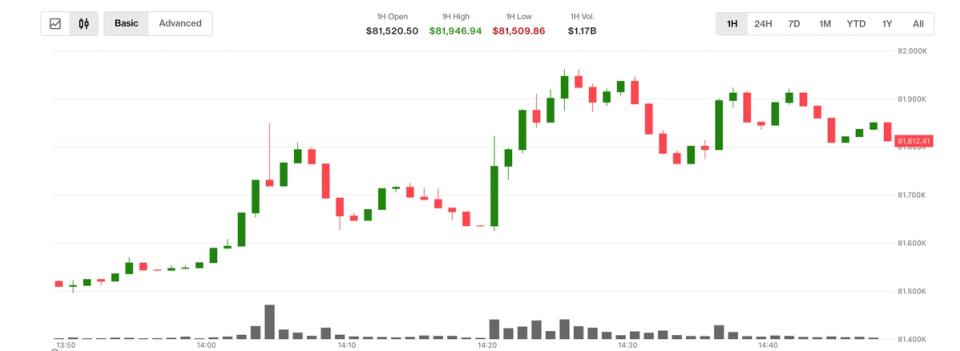
Look, we all braced for it. The murmurs of caution, the analysts hunched over their charts, predicting the usual swing. When Bitcoin dips below $78,000, as it did recently, the immediate thought for many is simply: more pain ahead. The narrative has been that risk assets, including crypto, are on shaky ground, buffeted by a storm of global concerns. We expected a continuation of that gloomy outlook, a steady erosion of gains. But what if the predictable narrative is precisely the camouflage for something far more dynamic? What if this isn’t just a stumble, but a strategic pause designed to shake out the weak hands and set the stage for something bigger? This is where things get really interesting.
Now, the headline paints a familiar picture: geopolitical headwinds, oil supply woes, nerves over US bonds. These are the usual suspects, the boogeymen that dance in the shadows of every market correction. Bitcoin circled $78,000, then cratered. Data confirmed lows not seen since the start of May. For a moment, it felt like the script was playing out exactly as predicted. Yet, amidst this gloom, a different kind of chatter began to emerge – the whisper of a ‘bear trap’.
This is what fascinates me. It’s not just about the price going down; it’s about why and how. We’re seeing a confluence of factors that, on the surface, scream ‘sell’. Iran’s apparent maneuvering around the Strait of Hormuz, potentially disrupting oil flow, is a classic inflation accelerant. Add to that the lingering anxieties about US government bonds, and you’ve got a recipe for caution in any risk-sensitive asset. Mosaic Asset Company, in their insightful blog post, even drew parallels to the inflation surge of mid-2022, pointing to disrupted supply chains, war’s impact on energy, and fiscal deficits as ingredients in a brewing inflationary wave. It sounds like the perfect storm, doesn’t it? Enough to make anyone clutch their pearls and exit their positions.
The ‘Bear Trap’ Theory: A Deeper Dive
But here’s the kicker: what if this exact confluence of negative news is designed to be misleading? On X, trading accounts like Cryptic Trades are dissecting the data, and it’s genuinely compelling. They’re pointing out that as the price has been inching down, open interest has been climbing. This is often a sign that bears are piling on, doubling down on their short positions, betting on a further collapse. But the real twist? Funding rates have flipped negative. This suggests that short sellers are actively paying longs to hold their positions. It’s a delicate dance, and when you see bears shorting as if a breakdown has already occurred, even when market structure technically remains intact, that’s precisely how a bear trap is sprung. It’s like a predator feigning weakness to lure its prey closer.
Think of it like a well-placed mousetrap. The bait looks irresistible, the danger seems minimal, and the rodent is lured in. Only when it’s too late does the mechanism snap shut. In the crypto world, the ‘bait’ can be a wave of seemingly negative news, designed to make traders aggressively short the market. The ‘snap’ comes when the price, instead of continuing its descent, suddenly reverses, trapping those very short sellers and fueling a rapid ascent.
Analyst Eric Coleman echoes this sentiment, identifying potential support levels around $75,000. While that sounds bearish, it also represents a level where a significant number of short positions might be liquidated if the price turns. Daan Crypto Trades, poring over exchange order books, even points to $71,000 as a zone of interest below current levels. This might seem like a final capitulation point, but in a bear trap scenario, it could be the very bottom from which a sharp rebound ignites, catching those who sold prematurely off guard.
Why Does This Matter for the Average Investor?
This isn’t just academic navel-gazing for traders. This potential bear trap has massive implications for anyone holding Bitcoin, or considering entering the market. If the current downturn is indeed a precursor to a significant rally, then selling now based on the fear narrative would be a costly mistake. It’s the classic dilemma: do you trust the headlines that suggest doom, or do you look for the subtler signals that hint at opportunity?
My own take, and this is where the futurist in me gets excited, is that we’re witnessing a fundamental platform shift with AI. But that same AI is now also being used to analyze markets with unprecedented speed and sophistication. It can identify these patterns – the negative funding rates, the climbing open interest against a falling price – far faster than any human could. This leads to more efficient markets, yes, but also to more sophisticated traps. The “news” becomes just another input, potentially manipulated or amplified to serve a specific market outcome. The question isn’t just whether Bitcoin will go up or down, but whether these sophisticated analyses are creating echoes of past market behaviors, or entirely new phenomena.
This whole situation reminds me of the early days of the internet. We had dial-up modems, clunky websites, and a lot of skepticism. People said it was just a fad. But beneath the surface, a fundamental infrastructure was being built. Now, we’re seeing a similar foundational shift with AI. It’s not just a tool; it’s a new operating system for how markets are understood and manipulated. The ‘bear trap’ isn’t just about price action; it’s a symptom of markets becoming hyper-efficient, and perhaps, more susceptible to cleverly designed psychological plays, amplified by algorithms.
Will This Rebound Be Swift?
The longer Bitcoin compresses around the $80,000 region, as Daan Crypto Trades notes, the more liquidity builds on both sides – like a coiled spring. This suggests that when the move does come, it will be aggressive. The question is, which side will that coiled spring unleash its energy upon? The bears who are betting on further decline, or the bulls who anticipate a resurgence? It’s this uncertainty, this binary outcome, that defines the tension in the market right now. It’s the suspense before the next act, and frankly, it’s exhilarating.
🧬 Related Insights
- Read more: Stablecoin Card Spend Doubles Annually: Is This the Future of Payments?
- Read more: Bitcoin’s $73K Spike: MicroStrategy’s STRC Machine Revs Up Amid Ceasefire Hype
Frequently Asked Questions
What is a ‘bear trap’ in crypto trading? A bear trap is a false signal that a downtrend will continue, leading traders to open short positions just before the price reverses and begins to trend upward, causing those short sellers to lose money.
Why is Bitcoin falling below $78,000 significant? Falling below key psychological and technical support levels like $78,000 can signal weakness and trigger further selling, but in the context of a potential ‘bear trap,’ it could also be a deliberate move to liquidate short positions.
How do geopolitical events affect Bitcoin? Geopolitical events, especially those impacting global energy markets or economic stability, can increase overall market uncertainty and lead investors to move away from riskier assets like Bitcoin, causing price drops.