The blockchain age has arrived.
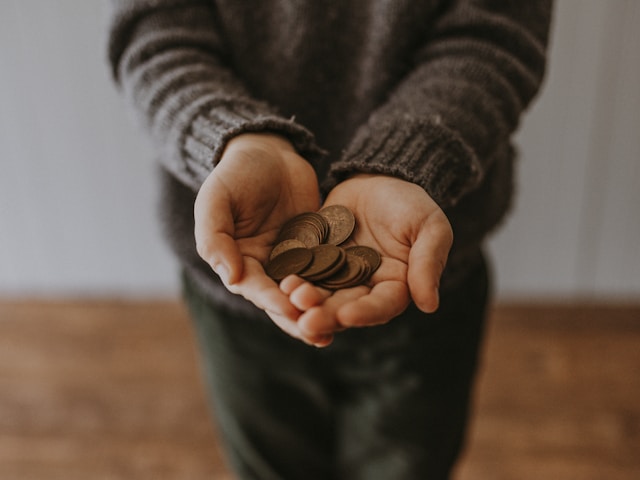
It’s not just about digital currencies anymore. Think bigger. We’re talking about a seismic shift, a fundamental platform transformation akin to the internet itself. And at the heart of this new digital frontier? Real-World Assets, or RWAs. These aren’t abstract concepts; they’re tangible — or at least, they represent the tangible — finally finding their digital soul on the blockchain. It’s like taking your prized stamp collection, your vacation home, even that company stock you’ve held for years, and giving it a digital passport that can travel anywhere, instantly.
So, what exactly are we talking about when we say Real-World Assets? At its core, it’s the process of tokenization: taking an existing, physical or financial asset and creating a digital representation of it on a blockchain. Forget clunky paperwork and endless intermediaries. Issuers are looking at things like gold, fiat currencies, stocks, bonds — the bedrock of traditional finance — and minting tokens that are those assets, or at least, a claim on them. It’s a digital handshake between the analog world we know and the infinite possibilities of the digital one.
Why Does Tokenization Matter?
This isn’t just a tech novelty. This is about unlocking liquidity for assets that have been historically illiquid. Think about fine art or commercial real estate. How easy is it to sell a fraction of a painting or a sliver of a shopping mall? Not very. But with tokenization, you can chop that painting into a million tiny digital pieces, each a tradeable RWA. Suddenly, a whole new class of investors can participate, and existing holders can access capital far more easily. It’s like turning a giant, immobile statue into a swarm of hummingbirds, each capable of darting off to new perches.
We’re witnessing the birth of a more inclusive and efficient financial system. This technology promises to slash transaction costs, speed up settlement times (think seconds instead of days for stock trades), and provide unprecedented transparency. It’s like upgrading from dial-up internet to fiber optic – the speed and accessibility are fundamentally different.
The RWA Revolution in Action
Companies are already diving headfirst into this. We’re seeing tokens backed by everything from U.S. Treasury bills, offering a safe, yield-bearing digital asset, to luxury goods and even carbon credits. This move from pure digital assets like Bitcoin to tokenized versions of physical assets signals a maturing of the blockchain space. It’s a bold declaration that the blockchain isn’t just a playground for speculators; it’s a foundational infrastructure for the future of global commerce and investment.
It’s crucial to remember that this is still early days, and regulatory frameworks are catching up. But the momentum is undeniable. RWAs are not just a trend; they represent a fundamental evolution in how we define, own, and transfer value. We’re essentially building a universal ledger for value, one tokenized asset at a time. The implications for finance, for ownership, and for wealth creation are staggering.
The ability to represent ownership of real-world assets on a blockchain opens up immense possibilities for fractional ownership, increased liquidity, and democratized access to investment opportunities previously reserved for a select few.
This is more than just a technological upgrade; it’s a paradigm shift. The lines between physical and digital wealth are blurring, and RWAs are the architects of this new, interconnected financial landscape. Get ready, because the future of finance is being tokenized, and it’s happening right now.
🧬 Related Insights
- Read more: $4.2M Bitcoin Seized in Australia [Darknet Bust]
- Read more: Fan Tokens Unlocked? US Sports Finally Get Clarity
Frequently Asked Questions
What are real-world assets tokenized on the blockchain?
Real-world assets (RWAs) on the blockchain are digital tokens that represent ownership of tangible or traditional financial assets like gold, real estate, stocks, or bonds.
How do tokenized real-world assets work?
An issuer creates a digital token on a blockchain that is backed by a specific real-world asset. This token then represents ownership or a claim on that underlying asset, allowing it to be bought, sold, and traded more easily on digital platforms.
Will tokenizing assets replace traditional finance?
It’s more likely to augment and integrate with traditional finance rather than completely replace it. Tokenization aims to bring greater efficiency, liquidity, and accessibility to existing financial markets.