For the average investor, especially those outside the US, this Coinbase and Centrifuge handshake means a potential — and let’s be clear, potential — expansion of investment horizons. We’re not talking about speculative digital tokens here, but rather the much-hyped ‘real-world assets’ (RWAs) tokenized. Think actual funds, actual securities, made accessible through blockchain technology. The immediate beneficiary group appears to be eligible non-US users, a strategic choice that hints at the ongoing global dance around crypto regulation.
Coinbase, a titan in the crypto exchange space, isn’t just dipping its toes in the tokenization pond; it’s designating Centrifuge as a ‘Preferred Tokenization Infrastructure platform’. This isn’t merely a partnership; it’s a declaration of intent. Centrifuge, with its existing institutional clientele like Apollo and Janus Henderson, brings a certain gravitas to the table. The core proposition is straightforward: simplify the complex process of bringing institutional-grade assets onto the blockchain, specifically building on Coinbase’s own Base network.
Why Build on Base?
The decision to build on Base is significant. Base, Coinbase’s Ethereum Layer-2 network, is designed for scalability and lower transaction fees, crucial elements if you’re aiming to onboard mainstream, institutional-grade assets. Centrifuge’s technology allows these institutions to launch ‘vaults’ – essentially, mechanisms for issuing tokenized assets – without the monumental task of building their own bespoke blockchain infrastructure. This is the plumbing for the future of finance, designed to be compliant and manageable.
We’re seeing Centrifuge’s approach manifested in products like deRWAs on Base, with deSPXA being the flagship. This tokenized exposure to an Anemoy S&P 500 fund, developed with S&P Dow Jones Indices and managed by Janus Henderson, exemplifies the strategy. The stated goal? To make an equity index fund liquid, tradeable 24/7, and integrated into DeFi use cases. It sounds like a structural shift, indeed.
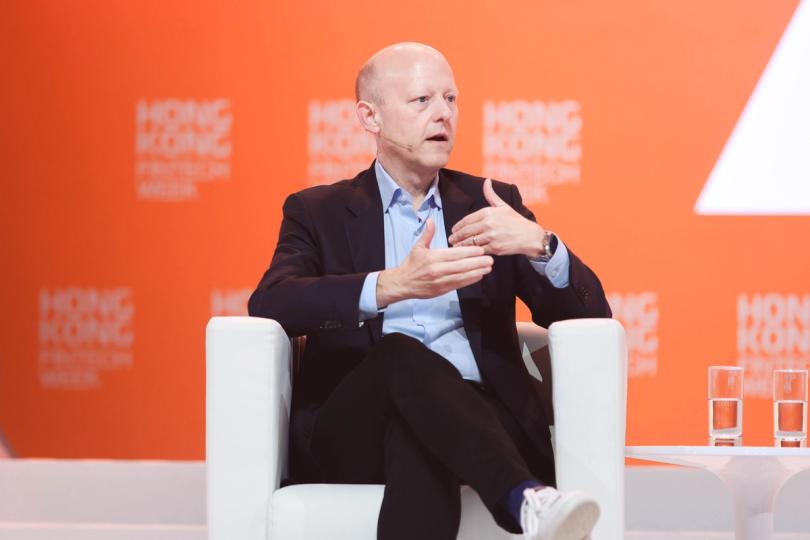
“What matters now isn’t getting assets onchain, it’s getting the right assets onchain in the right way. Aligning neutral infrastructure with wide access is designed to improve how tokenized markets are built and scaled.”
This quote from Centrifuge Labs CEO Bhaji Illuminati nails the current sentiment in the RWA space. The initial frenzy was about getting anything onchain. Now, the focus has sharpened: it’s about quality, compliance, and actual utility. Coinbase’s backing, particularly with its aim to expand access to ‘differentiated assets’ for non-US users, highlights a pragmatic approach to navigating the current regulatory landscape. Why focus on non-US users initially? Likely because the US regulatory environment for tokenized securities remains a labyrinth.
The Real-World Asset Conundrum
This move isn’t without its skeptics. For years, the promise of tokenization has been bandied about, often with more hype than substance. The challenge for Centrifuge and Coinbase is to move beyond the theoretical and deliver tangible, accessible products. The term ‘eligible non-US users’ is deliberately vague, hinting at the complexities of compliance across different jurisdictions. Will this truly democratize access to previously exclusive asset classes, or will it create a new tier of privileged access, restricted by KYC/AML and regional limitations?
Furthermore, the ‘DeFi use cases’ remain somewhat nebulous. While a tokenized S&P 500 fund could theoretically be used as collateral in a lending protocol, the real-world adoption and risk management frameworks are still in their nascent stages. The market dynamics are fascinating here; we’re witnessing a convergence of traditional finance giants and crypto-native infrastructure providers. It’s a trend that has been building steam, and this Coinbase-Centrifuge partnership is a significant indicator of its maturation.
This isn’t a ‘game-changer’ in the breathless sense. It’s a calculated, data-driven move by Coinbase to solidify its position in the infrastructure layer of digital assets, particularly those with a tangible link to traditional markets. The success hinges on execution: can Centrifuge deliver the promised smoothly integration and compliant frameworks? Can Coinbase effectively market and onboard users onto Base for these new asset classes? The early signs point towards a focused strategy, prioritizing institutional credibility and regulatory caution.