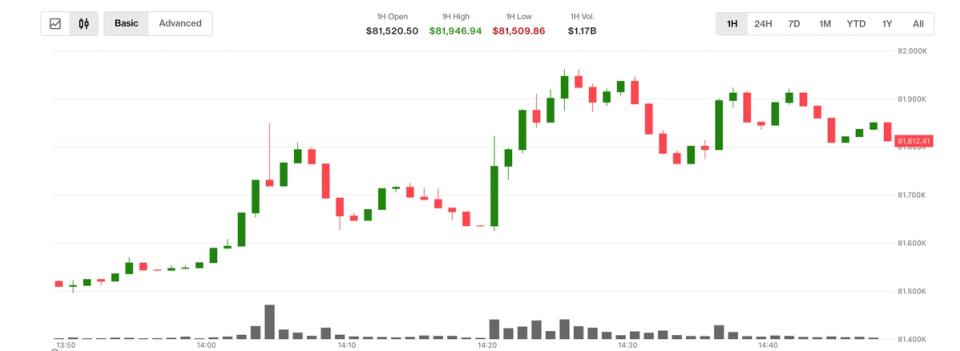
A haul of 52.3 Bitcoin, valued at a cool $4.2 million, found its way into New South Wales Police’s evidence locker on May 4. This wasn’t just another cash-and-carry bust; it was a sophisticated takedown targeting the shadowy underbelly of the darknet. Detective Superintendent Matt Craft himself declared it one of the largest cryptocurrency seizures in the nation’s history, a statement that carries weight given the escalating digital arms race between criminals and law enforcement.
The operation, codenamed Strike Force Andalusia, kicked off in September of last year. NSW Police’s Cybercrime Squad had its eye on a specific Bitcoin wallet, bulging with what they suspected were illicit gains from darknet marketplaces. It’s a cat-and-mouse game, and this time, the mouse got cornered.
During the investigation, detectives had already executed an earlier search warrant at a Surfside residence. That raid yielded electronic devices and a small quantity of cocaine – breadcrumbs, as it turned out. The real prize emerged from the forensic examination of those seized devices, which pointed to further cryptocurrency holdings.
Here’s where it gets interesting: a 39-year-old man, apprehended in Ingleburn, reportedly balked at handing over access to his digital devices when arrested. This refusal landed him with additional charges, compounding the already serious allegations of money laundering and drug supply. It’s a clear indicator that obstructing digital evidence is now a significant offense in its own right.
Law Enforcement’s Evolving Arsenal
What’s truly telling here is the narrative from Craft: “Criminals operating on the darknet often believe they are beyond the reach of law enforcement, but this investigation shows that is simply not the case.” That’s not just bravado; it’s a statement of fact. The capabilities of state cybercrime units, bolstered by the Australian Federal Police, are rapidly advancing. They’re not just seizing assets; they’re tracing blockchain transactions with an increasing degree of accuracy, effectively chipping away at the perceived anonymity of darknet platforms.
This seizure isn’t an isolated incident. It’s part of a broader trend. Australian authorities are prioritizing cryptocurrency enforcement with renewed vigor. As digital assets become more enmeshed in illicit enterprises—think ransomware payments, drug trafficking, and fraud—they become a logical target for law enforcement. The assumption that Bitcoin or other cryptocurrencies offer a foolproof escape from detection is, frankly, becoming a relic of the past.
The Illusion of Anonymity Shattered
The prevailing narrative around cryptocurrencies, especially among those operating in the darker corners of the internet, often hinges on anonymity. However, the reality of blockchain technology is that while transactions are pseudonymous, they are also permanently recorded and publicly verifiable. Sophisticated analytical tools, coupled with traditional investigative techniques—like the one employed by Strike Force Andalusia—can untangle these digital trails with surprising efficacy. This bust, like several other recent multi-million dollar digital asset confiscations across Australia, challenges the long-held belief that one can operate with impunity in the cryptocurrency space.
It’s a hard lesson for anyone dabbling in illicit activities using digital currencies: the digital ledger doesn’t forget, and neither do the authorities determined to police it. The $4.2 million seized represents not just a financial loss for alleged criminals, but a significant blow to the infrastructure and confidence of darknet operations in Australia.
“Darknet marketplaces remain a key enabler of serious criminal activity, and our detectives are actively targeting those who use them to trade illicit goods or launder money.”
This isn’t just about catching bad guys; it’s about disrupting the entire ecosystem that enables them. For every seizure like this, there’s a ripple effect, making the digital underworld a far riskier proposition.
Is This the End of Darknet Crypto?
Not by a long shot. Criminals are adaptable. They’ll shift to newer privacy coins, develop more complex layering techniques, or find other jurisdictions with less stringent enforcement. But what this seizure does signal is a clear and present danger to those relying on older, more traceable methods. The days of easy anonymity for large-scale illicit crypto operations are decidedly numbered in jurisdictions like Australia. The trend lines here are unambiguous: more enforcement, better tools, and a shrinking window of opportunity for digital illicit finance.
Why Does This Matter for Crypto Investors?
For legitimate cryptocurrency investors, this bust is largely good news. It signals that regulators and law enforcement are becoming more sophisticated in distinguishing between illicit and legitimate use cases. Increased enforcement against criminal activity can lead to a more stable and trustworthy crypto market overall. It demonstrates that authorities are capable of targeting specific criminal enterprises rather than enacting broad, potentially stifling regulations on the entire asset class. This kind of focused action builds confidence, which is essential for mainstream adoption.
🧬 Related Insights
- Read more: CME Group’s 24/7 Crypto Leap: Avalanche and Sui Join the Frenzy Starting May 29
- Read more: The IMF Just Killed Tokenization’s Magic Trick—And Wall Street Is Pretending Not to Notice
Frequently Asked Questions
What was seized in the Australian police operation?
New South Wales Police seized 52.3 Bitcoin, valued at over $4.2 million USD, during raids linked to alleged darknet marketplace activities.
Who was charged in relation to the seizure?
Two men were charged: a 39-year-old for allegedly refusing digital evidence access and other charges, and a 41-year-old for dealing with property proceeds of crime.
Does this mean Bitcoin is no longer anonymous?
Bitcoin transactions are pseudonymous, meaning they can be traced on the public blockchain. While not fully anonymous, sophisticated analysis and traditional police work are increasingly effective in linking transactions to individuals.