Imagine your favorite local bakery announcing a new bread recipe. Everyone’s buzzing. Some whisper it’s a secret sourdough that’ll change your breakfast forever. Others fear it’s just a bland loaf, or worse, a genetically modified carb-bomb disguised as real food. That’s essentially the energy swirling around the SEC’s upcoming rule on tokenizing securities. And in a move that feels less like a stuffy regulator and more like a passionate chef tasting their own creation, Commissioner Hester Peirce decided to step out and tell us, directly, that the rumors of a carb-bomb are, thankfully, bunk.
This isn’t just about financial jargon; it’s about the very architecture of our future markets. The prospect of tokenizing securities — turning ownership of a company share or a bond into a digital asset on a blockchain — has been brewing for ages. Think of it as upgrading from paper certificates that live in a dusty vault to sleek, instantly transferable digital keys. But then, the whispers started. Reports surfaced, notably from Bloomberg, suggesting the SEC’s forthcoming rule might actually open the door for synthetic tokens. Now, that’s where things get spicy, and not in a good way.
What’s a synthetic token? It’s like a proxy for the real thing. Imagine a digital token that tracks the price of Apple stock, but you don’t actually own a piece of Apple. You’re just betting on its movement. It’s exposure, not ownership. And for a regulator like the SEC, whose job is to protect investors and ensure market integrity, the idea of these proxies running wild on decentralized platforms—where oversight can be fuzzy—must have sent a collective shiver down Wall Street’s impeccably tailored spines.
The hype, as Peirce calls it, suggested this rule would be the gateway for these synthetic instruments, potentially creating a wild west of derivative-like crypto assets tied to real securities. It felt like the kind of move that could spark innovation but also invite chaos.
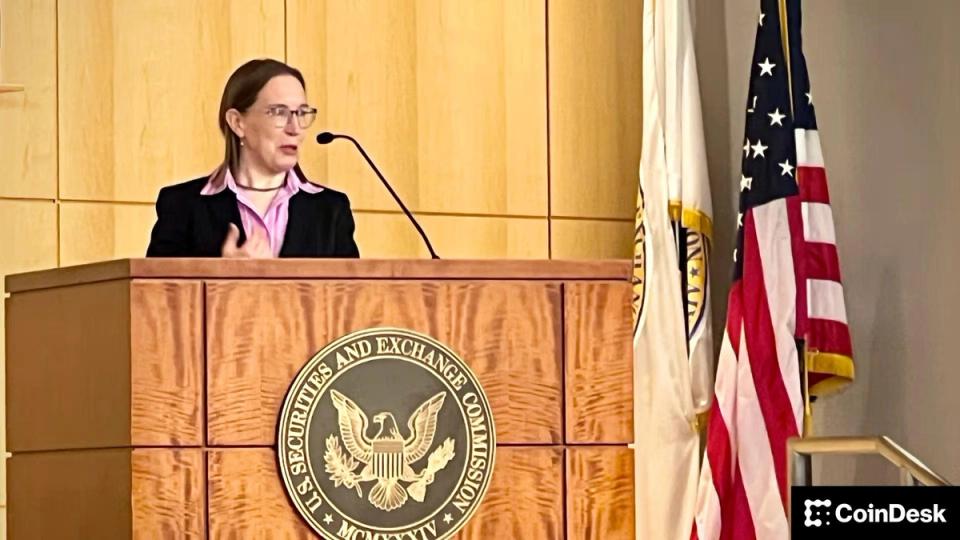
But here’s the thing: Commissioner Peirce, a known advocate for thoughtful digital asset regulation, didn’t just let the rumors fester. She took to X, that digital town square, not once, but twice. She essentially said, “Hold up. Not so fast.” Her message is clear: the rule, as she sees it, is more about the digital representation of the same underlying equity security that an investor could purchase in the secondary market today. No synthetics allowed.
This distinction is massive. It means the SEC is aiming for a more grounded approach. They’re looking at direct digital twins of existing securities, not speculative stand-ins. It’s like offering a high-tech, instant delivery service for the actual pizza you ordered, not a coupon for a pizza that might or might not exist.
Peirce’s public clarification is a rare move, especially for an unpublished rule. It’s akin to the baker personally coming out to reassure you that the new bread is just a delicious whole-wheat, not some Frankenstein loaf. She even pointed to previous SEC statements to underscore the difference between tokenized issuer-sponsored stocks and those sneaky synthetic instruments.
This episode highlights the ongoing tightrope walk regulators face with digital assets. On one side, the immense promise of blockchain technology for efficiency and accessibility. On the other, the enduring need for investor protection and market stability. The SEC, under Chairman Gary Gensler, has often been characterized as cautious, even hesitant, when it comes to crypto. This particular rule, however, is being framed as a significant step forward in forging a new regulatory path for crypto trading in the US. It’s an attempt to build bridges, not just walls.
Commissioner Peirce’s intervention, even if it’s just a temporary pause on the speculation, serves a vital purpose. It injects clarity into a complex and often opaque space. It’s a signal that while the SEC is willing to engage with the transformative power of tokenization, they’re not about to unleash a regulatory beast that could destabilize the very markets they aim to protect. This is the kind of human touch—even if it’s through a social media post—that demystifies the tech and brings the future into sharper focus for everyone, not just the finance bros.
A Nod to History: When Paper Became Digital
Think back to the early days of electronic trading. Remember when stock trades were done with handshakes and paper certificates? The transition to digital platforms wasn’t instant or without its own set of panics and predictions of doom. People worried about fraud, about the loss of human connection, about the very nature of ownership changing. What Peirce is doing now feels like a echo of those moments, where a key figure steps in to articulate the intended future, aiming to soothe anxieties and guide the technological evolution toward a more stable outcome. It’s a reminder that even in the lightning-fast world of AI and blockchain, the human element—clarity, intention, and a clear vision—remains paramount.
Why All The Fuss About Synthetics?
The commotion around synthetic tokens boils down to risk. Unlike a true security token that represents direct ownership (think holding a digital share of a company), a synthetic token mirrors the performance of an underlying asset. If the price of that asset goes up or down, the synthetic token’s value follows. The concern is that these could be more easily manipulated, lack clear recourse for investors if things go wrong, and operate in less transparent environments, potentially creating systemic risks that could ripple through traditional markets. The SEC’s aversion to them in this early tokenization rule is a strong signal of their priority: direct representation first, speculative derivatives later—much later.
🧬 Related Insights
- Read more: Bitcoin ETFs Suck in $471M – Crypto’s Thirst Returns with a Vengeance
- Read more: Stablecoins Get Green Light: But Real Adoption Still Faces Hurdles
Frequently Asked Questions
What does “tokenization of securities” actually mean? It means converting traditional financial securities, like stocks or bonds, into digital tokens that can be traded on a blockchain. This could make trading faster, more efficient, and accessible to a wider range of investors.
Will this SEC rule mean I can buy crypto directly on the stock market? Not directly. The rule is focused on creating digital representations of existing securities (like company stocks), not on enabling the trading of cryptocurrencies like Bitcoin or Ethereum on traditional stock exchanges through this specific mechanism. It’s about bringing traditional assets onto the blockchain, not vice-versa through this rule.
Does Commissioner Peirce’s statement mean the SEC is fully embracing crypto? Not necessarily. Commissioner Peirce is known for her more forward-thinking approach to digital assets, but her statement clarifies the scope of a specific, pending rule. It indicates a willingness to explore regulated tokenization of existing securities, rather than a wholesale embrace of the entire cryptocurrency market as it exists today. The SEC’s overall stance remains complex and often cautious.