Look, does the government really need a strategic Bitcoin reserve? It’s a question that’s been hanging around for a while, and now, with the introduction of the American Reserve Modernization Act (ARMA), it’s being shoved right into our faces. Reps. Nick Begich and Jared Golden are the latest to try and make this official, proposing legislation to lock in a Bitcoin reserve for at least two decades. This is supposed to cement a promise from the Trump administration, which, as anyone who’s watched Washington for more than five minutes knows, means it’s likely been through more rounds of infighting and legal wrangling than a Kardashian divorce.
So, what’s the big idea here? The ARMA bill wants the Treasury Department to set up and manage a stash of Bitcoin, alongside other government-held digital assets likely acquired through various seizures and penalties. The goal, according to the proponents, is to add flexibility to America’s portfolio of reserve assets—basically, another item on the national balance sheet for when things get dicey. They also talk about transparency with a proof-of-reserve report, which sounds nice on paper, but we’ll see how that shakes out in practice.
But here’s the kicker: this isn’t exactly new territory. The Trump administration had already kicked off this idea of a strategic Bitcoin reserve via executive order. Except, according to Patrick Witt, one of the President’s advisors, they’ve been stuck for months just trying to figure out the legal groundwork. It’s like building a fancy shed without checking if you have a foundation. And let’s not forget the Treasury Secretary’s own lukewarm stance – ruling out agency purchases. It makes you wonder if this bill is less about fiscal prudence and more about scoring political points with the crypto crowd.
Who Actually Benefits From This? A Deep Dive.
The rationale being peddled is that this reserve will act as an “insurance policy” and safeguard crypto from the “whims of Congress or future administrations.” Begich even tweeted about it. It’s a nice sentiment, I guess, but it conveniently sidesteps the fundamental question: does Bitcoin, as an asset class, even qualify as an essential reserve? Rep. Maxine Waters, bless her pragmatic heart, certainly doesn’t think so, pointing out that typical reserves are for things that power the economy and daily life, not digital curiosities with, in her words, “no inherent value.”
This whole push feels like a classic Silicon Valley playbook meets Capitol Hill. A grand, sweeping vision that promises innovation and future-proofing, but when you peel back the layers, you’re left asking: who is really making money here? Is it the Treasury? The crypto exchanges? Or is it just a way for certain politicians to appear forward-thinking and aligned with a growing, vocal demographic?
Consider this: the bill has 17 co-sponsors, including some folks who’ve publicly disclosed investments in meme coins. That’s not exactly the stamp of fiscal seriousness one hopes for when discussing national reserves. It’s more like a bunch of guys who just bought into Dogecoin trying to legitimize their investment through federal law.
“Administrations have auctioned [crypto] off or held it in reserve, according to the whims of the executive branch,” Golden said in a statement, noting that a stockpile created under the ARMA Act would enjoy the “weight of law.”
This quote perfectly encapsulates the problem. The weight of law versus actual economic utility. It’s the difference between having a fancy new law on the books and having an asset that genuinely contributes to national stability. And for all the talk of a “budget-neutral way” to acquire Bitcoin, no actual allocations have been announced. It’s a lot of fanfare, very little substance so far.
Then there’s the shadow of other proposals, like Sen. Cynthia Lummis’s BITCOIN Act, which aims for a much larger, aggressive purchase of 1 million Bitcoin over five years. The ARMA bill seems more like a defensive maneuver, trying to solidify something that’s already in motion, rather than a proactive policy. It’s hedging its bets, in more ways than one.
Ultimately, the ARMA bill is less about modernizing America’s reserves and more about codifying a political stance on digital assets. It’s a fascinating case study in how campaign promises morph into legislation, and how buzzwords like ‘strategic reserve’ get slapped onto volatile assets in the hope of conferring legitimacy. We’ll be watching to see if this bill gains traction, or if it fades into the legislative ether like so many other well-intentioned but ultimately impractical proposals.
Will This Bill Actually Impact the Price of Bitcoin?
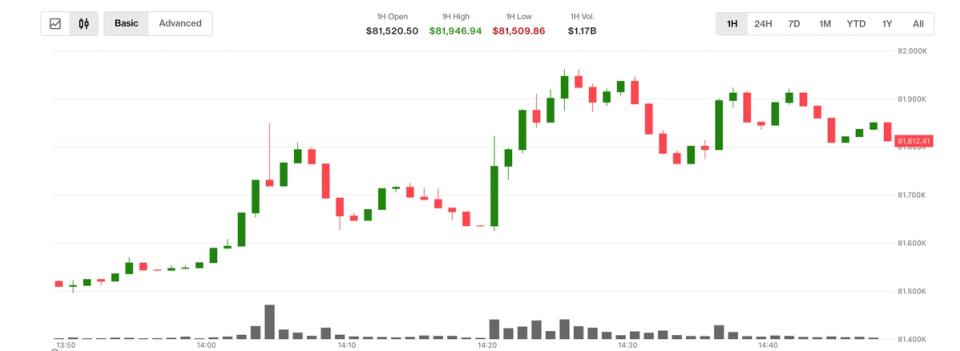
Frankly, it’s unlikely. The ARMA bill focuses on a strategic reserve, which implies holding rather than active trading or large-scale purchases. Even if enacted, the Treasury’s management of this reserve wouldn’t typically involve market-moving transactions. It’s more about establishing a legal framework for existing or future holdings, rather than injecting massive new demand into the market. The hype surrounding the bill might cause some short-term speculation, but sustained price impact would require actual, substantial government buying, which this bill doesn’t mandate.